Tour of the Heidelberg Repatriation Hospital – 14 September 2023
Brief History
The Heidelberg Repatriation Hospital opened on 13 March 1941 as the 115th Heidelberg Military Hospital. The 6th RAAF Hospital was also on site between 1942 and 1947.
In 1947, the hospital was handed over from the army to the Repatriation Commission and became the Repatriation General Hospital Heidelberg. The Commission (Department of Veterans’ Affairs) ran the hospital until 1994.
Many areas of the Heidelberg Repatriation Hospital are named to reflect their proud heritage of caring for Veterans and War Widows. These include: Centaur Wing, Tobruk Centre, Flanders Wing, Duckboard Function Centre, Anzac Memorial Chapel, Vivian Bullwinkel Room, 115th H.M.H. Meeting Room, Remembrance Garden, Gallipoli Gardens, Memorial Rose Garden, Colour Patch Museum, Duckboard Walk and of course Sappers Lane.
Within the hospital are many plaques, gardens and gallery spaces, including the Fromelles Garden and Jessie Mary Vasey Labyrinth. The Remembrance Garden includes many memorial plaques and the duckboard stained glass, “The Bridge of Repatriation” in Sappers Lane. Within the Outpatient Department (Tobruk Centre) is the flag of the 2/4th AGH.
The Tour
On September 14 2023 a tour of the hospital has been organised by the RAEAV that will start at the hospital, where parking is free, enter Gate 9, parking in Ash Grove (See map)
1000hrs we will have morning tea provided by the hospital at no cost in Building 140 at the Duckboard Function Centre and with an introduction to the hospital. A gold coin donation would be appreciated.
1030hrs the tour of the hospital begins which includes the museum and memorial gardens, visit to the Sappers memorial and wreath laying to recognise National Peacekeepers Day.
1200hrs is the conclusion of tour and lunch is available for purchase from the hospital’s canteen. You are then free to wander through the gardens and museum.
For catering and security please indicate your intensions at http://thq.fyi/se/hPY8nZ8
RSVP 7 September 2023
Source; Austin Health
RAEAV


Subscribe to have our posts emailed to you automatically
Australian And New Zealand Troops parade In New York City – September 1943.
Six hundred Australian and New Zealand forestry troops, en route from England to their home countries, were given the unique honour of marching in a ticker-tape parade, with fixed bayonets, down Broadway in New York, said to be the only occasion that armed foreign troops had marched through an American city since Independence then to be officially welcomed by Mayor Fiorello H. La Guardia at City Hall, New York City.
LTCOL C.R.Coles was the Commander of the ANZAC’s, others on the reviewing stand are; BRIGGEN Troup Miller the US Army, Inspector General of the Eastern Defence Command – Sir Godfrey Haggard, British Consul – GEN Sir Owen Dickson Australian Minister to the US – GEN V.A. Sturdee, Chief of the Australian Military Mission at Washington the US Capital – Mayor Fiorello H. La Guardia of New York City and BRIGGEN Ralph K. Robertson of
the US Army. Mayor La Guardia asked the men to convey to the people of Australia and New Zealand the city’s assurance of cooperation in the war effort.
After the reception, the soldiers were taken on a shopping and sightseeing trip that took in the Yankee Stadium in New York City where they saw a NY Yankees Versus Chicago White Sox base ball game. Then a reception held at the historic 7th Regiment Armory, also in New York City.
The Australian contingent was the “Australian Forestry Group” an element of the Second Australian Imperial Force raised for forestry duties. Its constituent units were established in 1940 and 1941 in response to a request from the British Government for foresters to work in France.
After the fall of France the three Australian forestry companies were sent to the United Kingdom. The group headquarters was raised in July 1941. The foresters
worked in northern England and Scotland, and had a secondary military role. The Australian Forestry Group returned to Australia via the United States in 1943, and its three companies later served in the Northern Territory and New Guinea.
History
In 1939, the British Government requested that Australia raise three, 200-man strong companies of foresters to join a force of twenty units drawn from Canada and further three from New Zealand to support the British Expeditionary Force in France and the Australian Government readily agreed. However, in line with a request from the French Government, all of their officers were to be members of either the Commonwealth or State government forest services or employed in the sawmilling industry so that the wasteful cutting and damage experienced in World War 1 was not repeated.
Two forestry companies were quickly raised in 1940 as part of the Royal Australian Engineers (RAE). The first Forestry Company (2/1) was in Sydney with men from NSW, Queensland and South Australia led by Captain Cyril Richard Cole, a professional forester from the Australian Capital Territory, while a second Forestry Company (2/2) was raised in Melbourne under the command of Captain Andrew Leonard (Ben) Benallack from the Forests Commission Victoria with soldiers recruited from Victoria, Tasmania and Western Australia.
All units included men who had served in the war of 1914– 18. As the need for forestry companies persisted the 2/3 Forestry Company of 150 men was formed in Melbourne in March–April 1941 under the Command of Major Mervyn Alexander Rankin, a forester from the South Australian Woods and Forests Department. Some additional reinforcements were recruited as well as staff for a group HQ.
At the cessation of hostilities in 1945 all three Australian forestry companies were progressively disbanded but some men remained as late as 1946 to help with reconstruction. Nine men from the Forestry Companies were honoured including Lieutenant Colonel Cyril Richard Cole with an Order of the British Empire (OBE) but six men died in accidents or from illness.
Photos donated by 91 Forestry Sqn
RAEAV Collection PV 528


Subscribe to have our posts emailed to you automatically
National Commemorative Service on the 50th Anniversary of the end of Australia’s involvement in the Vietnam War, August 2023
In 2023, the Australian Government will mark the 50th anniversary of the end of Australia’s involvement in the Vietnam War with a national service at the Australian Vietnam Forces National Memorial in Canberra on 18 August 2023 from 10:00am.
The Vietnam War was the longest twentieth century conflict in which Australians participated; it involved some 60,000 personnel and grew from a limited initial commitment of 30 military advisers in 1962 to include a battalion in 1965 and finally, in 1966, a task force. Each of the three services was involved, but the dominant role was played by the Army. After the cessation of combat operations in 1972, a limited number of Australian personnel remained in Vietnam, and elements of the RAAF returned in 1975, carrying out evacuations and assisting refugees almost until the moment of South Vietnam’s surrender.
In the early years Australia’s participation in the war was not widely opposed. But as the commitment grew, as conscripts began to make up a large percentage of those being deployed and killed, and as the public increasingly came to believe that the war was being lost, opposition grew until, in the early 1970s, more than 200,000 people marched in the streets of Australia’s major cities in protest.
By this time the United States Government had embarked on a policy of ‘Vietnamisation’ – withdrawing its own troops from the country while passing responsibility for the prosecution and conduct of the war to South Vietnamese forces. Australia too was winding down its commitment and the last combat troops came home in March 1972. The RAAF, however, sent personnel back to Vietnam in 1975 to assist in evacuations and humanitarian work during the war’s final days. Involvement in the war cost 523 Australian servicemen their lives, while some 3,000 were wounded, otherwise injured or were victims of illness.
The South Vietnamese fought on for just over three years before the capital, Saigon, fell to North Vietnamese forces in April 1975, bringing an end to the war which by then had spilled over into neighbouring Cambodia and Laos. Millions lost their lives, millions more were made refugees and the disaster that befell the region continues to reverberate today. For Australia the Vietnam War was the cause of the greatest social and political dissent since the conscription referenda of the First World War.
The Department of Veterans’ Affairs will deliver a televised service to mark the 50th anniversary of the end of Australia’s involvement in the Vietnam War at the Australian Vietnam Forces National Memorial on Anzac Parade, on Friday 18 August 2023.
We Will Remember Them
Lest We Forget
Source; DVA (Department of Veterans’ Affairs) (2021), The Vietnam War, DVA Anzac Portal, accessed 17 August 2023, https://anzacportal.dva.gov.au/…/vietnam…/vietnam-war
Photo; One of the most famous images of the Vietnam War was captured by Michael Coleridge on 26 August 1967. The image which has been etched on the rear wall of the Australian Vietnam Forces National Memorial on Anzac Parade in Canberra, shows members of 5 Platoon, B Company, 7RAR waiting to be airlifted by US Army helicopters from an area just north of Phuoc Hai. [AWM EKN/67/0130/VN]
RAEAV

Subscribe to have our posts emailed to you automatically
Army Museum of Military Engineering (AAMME) Bulletin
The Australian Army Museum of Military Engineering (AAMME) at Holsworthy Army Barracks, Sydney is producing a Bulletin that provides an update at regular intervals on AAMME operations.
The first 5 are featured here with future editions to be posted as they become available.


Subscribe to have our posts emailed to you automatically
VISIT BY COMMANDER 4th BRIGADE.
The RAE Association has always enjoyed a close working relationship with the 22nd Engineer Regiment. The CO (LTCOL Scott D’Rozario) and the RSM (WO1 Tom Jesser) arranged for the Commander 4th Brigade (BRIG Michelle Campbell) and the RSM 4th Brigade (WO1 Tony Lynch) to visit the Ringwood East depot and spend time with Don Hughes, Jim Davis and Zeus.
The visit provided the Association with an exceptional opportunity to meet with Victoria’s senior soldier and acquaint BRIG Campbell with the Association’s activities, vision and objectives.
We discussed the Association’s goals, specifically, to attract younger serving sappers and to have the Association viewed as an ongoing support resource to the Regiment. Additionally, we discussed the challenges faced by many associations including ours with establishing memorabilia rooms that are accessible to the public.
It was a great opportunity to engage with the Commander and RSM of the 4th Brigade and we look forward to catching up again.

Subscribe to have our posts emailed to you automatically
The Army’s “Ugly Duckling”
She was big – big and ugly. At 1,500 tons and more than 60 metres long, the heavy lift ship AV2767 ‘Crusader’ was the largest vessel commissioned by the Australian army during the Second World War. She was designed by an army officer to support operations in the Pacific and could carry landing craft, vehicles and heavy equipment. However, by the time the ‘Crusader’ was launched, the war was all but over.
Water transport was usually a naval responsibility but during the Second World War the Royal Australian Navy (RAN) had neither the vessels nor the inclination to provide this support to the army in the South-West Pacific Area. Instead, the army was left to develop its own system and in September 1942 raised the Directorate of Water Transport (Small Craft) within the Royal Australian Engineers. At its peak, the directorate operated more than 1,900 vessels, including landing craft, barges, launches, workboats and tugs. Some of these vessels were commandeered from civilian sources, while others were built for the army.
The army’s water transport was designed to resupply forward areas and the remote garrisons on the islands, which were accessible only by sea. These vessels ferried troops, transported equipment and brought supplies, and the landing craft made small amphibious landings in New Guinea and Bougainville. These “sailors in slouch hats” covered a vast territory, from the Australian mainland to New Guinea, the Solomons, Borneo and, after the war, the Philippines.
The ‘Crusader’ was one of the most unusual and intriguing vessels operated by the army. Ordinarily, something this vessel’s size would have been designed by marine architects. But this was no ordinary ship. The ‘Crusader’ was designed by Major General Clive Steele, the Australian army’s Engineer-in-Chief. Steele had a hand in designing the army’s Australian-built landing craft a couple of years earlier but was more used to designing bridges than ships.
Prime Minister Robert Menzies described Steele as a “great all-round man”. In civilian life, Steele was a talented and successful consultant engineer. In uniform, he was a brave and experienced leader who had served with distinction during the First World War. At the start of the war he was seconded to command the 6th Division’s engineers in the Middle East and subsequently became the Chief Engineer of 1 Australian Corps. When Steele returned to Australia in March 1942 General Thomas Blamey, Commander-in-Chief AMF, created the position of Engineer in-Chief for him.
He remained the army’s top engineer for the duration of the war. Steele’s influence was wide-reaching and he had far more freedom than other senior army officers, possibly too much. He had a reputation for getting his own way and bending the rules. “Whenever there was red tape in the way” Steele would “cut right through it”, Lieutenant General Vernon Sturdee later said. Steele’s motto was “Never mind the rules in the book – get the job done.” His willingness to bend the rules was manifest in the ‘Crusader’, as in order to gain permission to build the vessel, he deliberately underestimated its construction costs to get its design and construction approved. The actual costs far exceeded Steele’s original estimate.
The ‘Crusader’ was purpose-built for the army to support amphibious landings or for resupplying the army’s island campaigns. Its draft enabled it to operate in shallow water and its four rudders, although unusual, increased its manoeuvrability, as did its six engines driving six propellers. The ‘Crusader‘ could carry 1,600 tons in its cargo holds and 40 vehicles on its deck. Vehicles were driven on board across one of six bridge-like structures and heavy equipment was moved by one of its six 30-ton cranes. These cranes were arranged in such a way they were able to load and unload cargo more effectively than on any other ship. The ‘Crusader’ was built by the Melbourne Harbour Trust at Williamstown and was the largest all-weld steel vessel constructed in Australia at the time.
Although utilitarian, the ‘Crusader’, with its unusual “goal post” rigging, squat stern and box-like superstructure, lacked the sleek appearance of a naval vessel and failed to impress marine engineers. When it was launched on 8 August 1945, only a week before Japan’s surrender on 15 August and the war’s end, the official party was equally under-whelmed, with one news report describing the reaction as “startled”. “Why, she’s an ugly duckling,” someone mumbled The ‘Crusader’ never had the opportunity to prove either her worth or the merit of Steele’s design. Going into service in late 1945, the vessel was operated by No. 2 Ordnance Craft Park.
In February 1946 she sailed north to Rabaul, in New Britain, and then to Torokina, in Bougainville. However, there was little work left to do and she returned to Australia. No longer needing a vessel with the ‘Crusader’s’ capabilities, the army sold her in 1947. Construction had begun on a sister ship, the AV2768 ‘Corsair’, but with the war over it was abandoned.
During the Cold War, when it seemed Australia’s future military operations would be in south-east Asia, where land operations would need to be supported by sea, the army sought to revive its maritime capability. In 1959 the army purchased four Landing Ship Medium (LSM) vessels from the United States navy. These vessels formed the basis of the newly raised 32 Small Ship Squadron (See link below)
In 1965 a heavy cargo vessel, ‘John Monash’, joined the squadron. The squadron carried out normal operational tasks, transporting equipment and stores, around the coasts of Australia, Papa and New Guinea. The squadron also saw active service during the Indonesian Confrontation and the Vietnam War. One of the LSMs was withdrawn from service in 1969 and sold the following year. The other LSMs were also soon withdrawn and sold. 32 Small Ship Squadron was disbanded on 30 September 1971, although the ‘John Monash’ remained in service until 1974.
In 1974 the RAN became responsible for all sea-going vessels and the army lost its water transport capability. As for the ‘Crusader’, she spent the rest of her working life as the ‘Cementco’, working the Brisbane River for Queensland Cement and Lime Company. In 1984 she was retired and two years later sunk off Cape Moreton, where she is now a popular dive wreck.
Source; AWM, ‘Wartime’ magazine


Subscribe to have our posts emailed to you automatically
The Suspension Bridge over the Tanjil River – 1977
We recently received some slides from one of our ex committee members, Peter Washusen. After we converted these to photos for our collection, we asked Peter for information relating to the details of the bridge.
These are his recollections ………..
The bridge was constructed over the Tanjil River West Branch somewhere in the vicinity of Hill End. It was a pretty much a Section activity with a Lieutenant in charge (can’t remember his name), me as Ssgt and a selection of Sappers.
The task was to build a suspension bridge over the river to provide access for hikers. Do not know what sort of reconnaissance was conducted in advance for the site selection.
Two large eucalypts were selected as the end posts to which a prefabricated steel frames would be attached to take the suspension cables, with the footway cables wrapped around the base of the trees. The cables were “supplied” by the SECV thanks to the close relationship enjoyed at Yallourn. The baulk anchorages were won from the surrounding forest and the holes for them were dug by hand; the planties were not required.
The length of droppers from the suspension cables to the footway cables had to be calculated from the trusty RESPB – Bridging. This was undertaken by the light of hurricane lamps. Judging by the photos we managed to get it right.
Another activity was to desnag the river in the vicinity of the bridge. This was undertaken with a couple of ill fitting wet suits, not provided by Army, but even with these the water was so cold, shifts for the desnaggers were quite short.
Accomodation was what seemed to be an old cowshed that served as sleeping quarters, kitchen and mess. Most of the rations were from 10 man ration packs with some fresh food to supplement. Occasionally we managed to have entrée of freshly caught and barbecued fish.
The successful completion of the project was celebrated at a ‘formal’ dining in night in the cowshed.
Unfortunately, the bridge is no longer standing, as despite the apparent suitability of the trees selected, one of them fell in a storm some years later. Not quite “Facimus et Frangimus” – We make and we break, but rather ‘we make and nature breaks’.
The balance of the squadron undertook roadworks and culverting in the Licola area. The reconnaissance for this work had been undertaken some months earlier, with the focus on calculating catchment areas and expected peak flows from which culvert locations and sizes were established.
Trust this is useful, and hopefully memory is not too far from actuality.
Cheers
Peter Washusen
The RAEAV thanks Peter for his donation.
RAEAV Photo Collection PV 2031


Subscribe to have our posts emailed to you automatically
105 Construction Squadron Newsletter – 2003
105 CS issued a number of newsletters and the following article “Ex Fair Dinkum” was written by WO1 Jim Davis who was the SSM of 105 CS at the time.
Our President Don Hughes is incorporating stories like these into a history book celebrating 70 years of HQ 22 Engineer Regiment, 105 Construction Squadron and 203 Works section RAE. The book is called “Fires, Forests and Fortifications (Victoria’s own Construction Sappers) 1950-2020”
If you can support this important, but missing piece of Engineer History by sending in your relevant good stories and/or photos and the like to Don Hughes, he would be very happy to see them.
You can contact Don at 55ubique@gmail.com or phone 0499 400 388.


Subscribe to have our posts emailed to you automatically
Talisman Sabre 2023
Exercise Talisman Sabre is conducted biennially and is the largest combined training activity between the Australian Defence Force and the United States military and is designed to test the respective forces in planning and conducting combined (multinational) and joint (multi-service) military operations. It aims to improve the combat readiness and interoperability between Australian and United States’ (US) forces and other partner nations.
Talisman Sabre reflects the strength of Defence’s alliance with the US and commitment to working with like-minded partners in the region.
Exercise Talisman Sabre 2023 (TS23) will run from 22 July to 4 August 2023 and will be the 10th and largest iteration of the exercise. It will consist of field training exercises incorporating force preparation activities, amphibious landings, ground force manoeuvres, and air combat and maritime operations.
Forces will be moving into Australian training areas from mid-July 2023.
More than 30,000 military personnel from 13 nations will directly participate in TS23, with others attending the exercise as observers.
Fiji, France, Indonesia, Japan, Republic of Korea, New Zealand Papua New Guinea, Tonga, the United Kingdom, Canada and Germany will attend as participants. The Philippines, Singapore and Thailand will also attend as observers to the exercise.
In 2011 members of 4 Combat Engineer Regiment took part in Talisman Sabre and the following photos were taken during the exercise.
RAEV Collection PV 525
Photos donated by Eric (Jock) Howatt


Subscribe to have our posts emailed to you automatically
RAE Band
Darva (Dava) Lodge Hotel in Mornington hosted the 3 Div RAE, 4th Field Company and the RAE Band in February 1938. (photos 1 and 2)
During the camp they practised the use of gas masks this makes playing wind instruments a very difficult job.
The original building had a wonderful rich history as home to The Sisters of Charity, a boarding school and preparatory school for boys in the 1920’s. A decade on in 1935, it was sold to John Ross who would redevelop the buildings as The Dava Lodge Hotel and Guest House which attracted celebrities to the shores of the bay.
The Dava Hotel is still in use today
The RAE Band was very popular and in November 1938 they led the Church parade down Alexander Avenue in Melbourne not far from their Depot. (photo 3)
We have 2 Vinyl Records of the RAE band in our collection
RAEAV photo collection PV 104


Subscribe to have our posts emailed to you automatically
ZEUS’ 10th Birthday
Canine Mascot RAE Association of Victoria
Zeus: – “Greek God of thunder of lightning and King of all Gods”
Zeus’ victorious encounter with a “5-foot Brown Snake” just before Christmas 2017, at his minders’ front door, earnt him a night in the Mount Waverley Veterinary Hospital.
His mum, a NZ Huntaway Kelpie, had taught him these basic survival skills when he was a young pup in Deniliquin NSW. His dad, a big black Labrador stud, passed on his hunting and gathering skills.
Walked and fed every hour, the Nursing staff monitored his blood for venom. Luckily, he had not been bitten.
Born on a farm in Deniliquin in 2013, Zeus undertook early basic training with 8/7 RVR and later (rumour has it) some SF training. Ultimately, he decided to become an Assistance Dog and when offered, plunged head long into his Mascot role with the Victorian Sappers!
Zeus is quite familiar with hospitals and regularly visits patients at the Heidelberg Repatriation Hospital. He also thoroughly enjoys supporting the Good Friday Appeal at the Royal Children’s Hospital.
Recently re-elected as the Official Mascot for the RAE Association of Victoria, Zeus has had many adventures to report over the years. These include crusades to: Fort Queenscliff; The Vietnam Veteran’s Museum at Philip Island; Balcombe Army Camp (Mick Mace MM, BEM oval); OCS Portsea, the Kapooka Tragedy Memorial at 1RTB and Fort Nepean, including the Portsea Pub, (to name a few).
Along with various ceremonial activities such as Remembrance Day, ANZAC Day, Vietnam Veterans Day, Peacekeepers Day, Boer War Day and Reserve Forces Day, Zeus has represented the Association at numerous funerals with both dignity and compassion.
He just loves visiting the sappers of 22nd Engineer Regiment (Victoria’s Own Sappers). Either in training, or when deployed on recent fire, flood, covid or storm operations.
Zeus particularly enjoys social functions. These include: the Sapper Muster at Oakleigh, the Corps Birthday at such places as the Melbourne Shrine of Remembrance along with numerous get-togethers at a multitude of venues around the State.
He has even been fed by the Prime Minister at a function at the Doncaster RSL!
Now aged Ten, Zeus just loves being a Sapper! UBIQUE
Written by his faithful Human Companion, Don Hughes

Subscribe to have our posts emailed to you automatically
The first Reserve Forces Day March, 1st July 1998
A great turn out by the RAE despite the wet conditions. A few familiar faces amongst them.
(Apologies for the wrong dates on the photos)
RAEAV Collection PV 114


Subscribe to have our posts emailed to you automatically
Upwey-Belgrave RSL Excursion 01st July 2023 – Corps Birthday
Well, what a wonderful experience and day was enjoyed by those who came along to the Upwey-Belgrave RSL.
This RSL is really a little gem tucked away off the Burwood Highway and certainly without the glitz and glamour of the bigger RSL’s but what it lacked in size it made up in bucket loads with its welcome and hospitality.
On the RAE calendar today (01st July) is a very important one as it is the day the Corps celebrates its birthday with today’s cake boasting 121 candles.
An outing to mark this special occasion has been in the pipeline for some time and approximately 30 people came together for lunch followed by a visit to the “Running Rabbit Museum”. This RSL is staffed by volunteers who went out of their way to accommodate this larger than normal group. We enjoyed great service and were provided with an outstanding lunch.
To acknowledge the day Mel Constable and Margaret Handte arranged for a suitably decorated cake which was cut by the CO (LTCOL Scott D’Rozario) and Chaplin Kirstin Linden with all in attendance getting the chance to savour a piece of the cake.
The President (Don Hughes) spoke for a few minutes to remind everyone about the significance of the day and acknowledging the reason for our get together.
Following lunch and formalities many of us wandered over to the museum which houses a wonderful collection of memorabilia. It is staffed by enthusiastic and knowledgeable volunteers who certainly made us welcome and ensured that received the most from our visit.
A most enjoyable day, wonderful venue along with great food and service which was complimented by the outstanding company. I am sure that everyone would have gone away from the day with a feeling of pride.
I can think of no better way to celebrate such an important birthday other than the way we did it today.
Happy Birthday RAE.
UBIQUE.
Jim Davis


Subscribe to have our posts emailed to you automatically
Today 27 June marks Sir John Monash’s Birth date.
General Sir John Monash GCMG, KCB, VD.
“…equip yourself for life, not solely for your own benefit but for the benefit of the whole community.” – Sir John Monash
The boy
John Monash was born in West Melbourne on 27 June 1865 to German-Polish Jewish parents.
As a child, he attended St Stephen’s Church of England School in Richmond, Melbourne, for three years. At the age of nine, Monash and his family moved to Jerilderie, New South Wales where he attended the public school. The school quickly recognised his intelligence, and advised his family to move back to Melbourne so John could realise his full potential.
He eventually returned to Melbourne in 1877 and enrolled in Scotch College. In his final year of school, at the age of 16, Monash was dux in mathematics and modern languages and equal dux of the school.
After completing school, John decided to enrol in arts and engineering at the University of Melbourne.
The scholar
He entered university at the age of 16 but stopped his studies after two years due to financial hardship.
He began work on the Princess Bridge to pay the bills, the first step in a very successful engineering career.
But Sir John had not lost his desire to study. By the age of 30, he had gained his Bachelor of Arts and a Masters in Science (Civil Engineering) and had qualified as a municipal surveyor, an engineer of water supply and a patent attorney.
He would go on to become a Doctor of Laws (Melb), Doctor of Engineering (Melb), Doctor of Civil Law (Oxford) and Doctor of Laws (Cambridge).
The soldier
In 1884, at the age of 19, John Monash joined the newly formed Melbourne University Company, D Company, 4th Battalion, Victorian Rifles.
He rose through the ranks, and by 1913 was a soldier with knowledge of staff work, transport, supply, engineering and intelligence.
In 1914, at the age of 49, the First World War broke out. He was among the first under fire at Gallipoli and was the only Australian brigade commander among the original troops not killed or evacuated as wounded.
But Monash’s greatest triumph was on August 8, 1918, when the five Australian divisions under his command formed the spearhead of a massive Allied offensive against the Germans at Amiens. This breaching of the German defences was the beginning of the end of the Great War. Four days later, on August 12, Monash was knighted by King George V. It was the first time in 200 years that a British monarch had knighted a military commander on the battlefield.
In his entry on Monash in The Australian Dictionary of Biography, the historian Geoffrey Serle describes Monash as “one tall poppy who was never cut down”.
He writes that by the 1920s, Monash was broadly regarded as “the greatest living Australian”, accepted by the community as a “seemingly unpretentious outsider, not really part of the Establishment”.
“His commanding intellect was sensed, as well as his basic honesty and decency … No one in Australia’s history, perhaps, crammed more effective work into a life; but, he said, work was the best thing in life.”
The engineer
During the worst of the depression of the 1890s, Sir John Monash started with the Harbor Trust, an organisation that aimed to improve access for shipping to Melbourne. While working at the trust, he also studied part time.
He completed the municipal surveyors course and enrolled as a student of the Supreme Court. He began studying the water supply engineers course and also completed his Bachelor of Arts.
In 1894 he started private practice as a consulting engineer and graduated in Arts and Law in 1895.
Monash soon became one of Australia’s foremost experts in reinforced concrete for bridges, railways and other large construction projects.
After the First World War, he returned to engineering and became Chairman of Victoria’s new State Electricity Commission.
In his last years, he supervised construction of Melbourne’s Shrine of Remembrance and oversaw the public appeal for funds. He rewrote the inscription planned for the west wall.
In 1929 the Institute of Engineers, Australia awarded Sir John its highest honour, the Peter Nicol Russell Memorial Medal, and in June 1931 the University of Melbourne gave him the Kernot Memorial Medal for distinguished achievement in Australian engineering.
His legacy
Sir John Monash was a pillar of Melbourne society. He had great success in the military and in business, but people also recognised his contributions to the community.
Monash lectured and examined at the University of Melbourne. He became Chairman of the graduates association, was president of the University Club and joined the university council as an elected member. He was also prominent in the Boy Scout movement and became president of the Victorian Institute of Engineers.
He was the natural spokesperson for returned soldiers and in 1925 he began leading the annual Anzac Day march. He was appointed Vice-Chancellor of Melbourne University in 1923, and president of the Australian Association for the Advancement of Science from 1924-26.
Sir John Monash died of heart disease in Melbourne on 8 October 1931, aged 66. He was given a state funeral attended by over 250,000 mourners.
He leaves a legacy as a scholar and a man of action. He was a man who sought, above all, to use his education and abilities for the benefit of the community.
Source; Monash University, A proud history.
Photo; National Library of Australia

Subscribe to have our posts emailed to you automatically
The Cavendish and Woodlands Bridges demolished, 1976
The Cavendish and Woodlands Bridges demolished, 1976
The Grampians hosted the 1976 camp, a memorable one. Under Lt Col Bill Oakley the 7 Field Engineer Regiment did a mobile advance to contact from Puckapunyal across western Victoria. That year it demolished two bridges in the same region – the first one with 10 Field squadron at Cavendish on 9 May with 42 lb (19 Kg) of TNT.
The second bridge utilising the Regiment was a 50 metre structure at Woodlands near Stawell on 13 November using 150 lbs (68 Kg) of TNT.
7 Field Engineer Regiment flew by Caribou aircraft from Laverton to Stawell and back again to demo this bridge.
“The Age” reported on Tuesday, November 16 1976
“Army Reserves engineers carefully measured the necessary ingredients in their recipe for obliteration, turned on the heat and retreated to the safety of a bunker to watch their product “rise”
About 63 kilograms of plastic explosive, 11 kilograms of TNT, a bag of ammonium nitrate, nearly 60 detonators and primers, and several hundred metres of detonating fuse that was the recipe for blowing up a 50 metre bridge near Stawell.
Watching from bunkers 500 metres away, the engineers were pleased with the result, declaring it “a nice clean cut?.
An Army Reserve spokesman, Captain Rob Suggett, said: “The idea was to just chop the
bridge down, not scatter it all about the country side. “
“They take great pride in placing the charges in such a way that the bridge just collapses.” side. The “target” for about 90 part-time soldiers from Ringwood and Gippsland was an old
wooden bridge over the Wimmera River on Bulgana Road, 26 km from Stawell.
Sources; Swan Street Sappers, The Age Newspaper
RAEAV Collection PV 89 photos, DC 2091 and DC 2093 The Remnants
NOTE; A colour, silent video of the trip in the Caribou to Stawell, the Demolition and the trip home is available in the Comments.
Mel Constable
RAEAV


Subscribe to have our posts emailed to you automatically
The Army lends a hand to restore an old bridge.
This was the headline of “The Age” newspaper in an article written by Anne Latreille in 1979.
The 91 Forestry Squadron is an army reserve unit designed to mill timber for army use. It includes some Forests Commission staff, and a handful of men skilled in the use of the broad axe and adze.
Its members haven’t yet used these techniques in their present job, but they have needed all their sawmilling expertise. Camped at the old settlement of Happy Go Lucky, just out of Walhalla in Gippsland, they are felling mountain grey gum for the restoration of nearby Bruntons Bridge, across the Thomson River near Walhalla.
The iron-framed bridge about 60 metres long and 12 metres above the river bed – was built in 1887-8 by Mephan Ferguson, during last century’s mining boom. It was a throughway for coaches and bullock drays. It has been unused, though, for 40 years since its timber decking was destroyed by bushfires in 1939.
Restoration has been planned for the past 18 months, following the re-decking three years ago of Poverty Point Bridge up-stream. (This bridge is now part of the Alpine walking track). To date it has involved not only two units of the army reserve (formerly the CMF), but the Forests Commission, the Shire of Naracan, A.P.M. Forests Pty. Ltd., the National Trust, the Latrobe Valley Historical Society, and engineering students from the
Gippsland Institute of Advanced Education, who tested the bridge’s structure before work began.
The 91 Forestry Squadron prayed hard for good logging weather and, according to its leader, Major Oliver Raymond, they have just finished cutting the timber for the bridge deck. Construction work will be done by 39 Electrical and Mechanical Squadron.
Major Raymond says the job should be finished in about 10 days.
It will not be a full reconstruction of the original superstructure, but a sympathetic conversion to footbridge width, with safety rails and child buffers. This means the handsome and still sound bridge, while remaining closed to motor traffic, will provide a useful facility for tourists and campers.
In 1982 the bridge was listed in the Victorian Heritage Register (VHR H1450)
Six columns support the steel substructure and lattice and other steel work decorates the bridge. The bridge is an interesting example of late nineteenth century bridge technology, adapted for use in difficult terrain. Although the timber portions of the bridge no longer remain, sufficient of the bridge remains for its original form to be seen. Bruntons Bridge forms part of the industrial relics contained in the important former mining town of Walhalla. The bridge is in a fair condition with respect to the iron structure.
The timber parts of the bridge, comprising beams, decking and handrails, were again destroyed by bushfires in 2006, these have since been replaced with steel decking and handrails. The area is now a popular camping spot.
RAEAV photo collection PV 1074
Sources;
Swan Street Sappers
Victorian Heritage Database Report
“The Age” newspaper
Photos donated by the “Woodies”
Mel Constable


Subscribe to have our posts emailed to you automatically
Blue Tongues Reunion 19th – 21st May 2023
The annual “Blue Tongues Reunion” was held at Major Creek Streamside Reserve, Nagambie and whilst the weather conditions were not as nice as 2022 it did not deter the die-hard group who regularly attend. It was overcast and very cool with light rain on and off over the weekend but the camp area was dry and firm.
The reunion is open to all Sappers irrespective of rank with the only provisos being that you leave your rank at home, come with a great attitude, plenty of photos, stories and be prepared to be amazed by the great people that you will meet.
The area where the reunion is held is a public camping ground so there are other people staying within the facility which is monitored by and controlled by Parks Victoria and as this is public camping ground then there are limitations of what you can and can’t do. Gone are the roaring campfires of yesteryear.
As in the past the objective of this weekend is to enable people to catch up with old friends and renew acquaintances. There is a large turnover of people coming and going with some staying for the entire weekend and others just dropping in to say hello and only staying a few hours.
Attendance numbers seemed lower this year, but it is hard to say exact numbers due to the transient crowd. This year we were missing a couple of very important members in Les (Foxy) Francis and Colin (Fish) Fraser–regretfully Foxy’s sister passed away during the week and Fish had family down from Darwin. Another very sad event was that George Week’s sister (who lives in WA) also passed away.
As previously reported an Honour Board is maintained for supporters of this function who have left us and since our last catch up in 2022 we have added the names of Judith Dodson and Tony McKernan to the Memorial Board – thanks George for looking after this very important part of the history.
Travel and distance are not something that has deterred people turning up to support this activity with many travelling long distances to attend such as Bob “Redman” Jones and “Doc” Kincaid – there were a good number of caravans and assortment of tents. David Stevenson proudly showed off the caravan that he had borrowed and in fact arrived a day early to get a good spot.
Food was aplenty with wonderful treats and roasts from the camp ovens showing that the boys have not lost their touch. In addition, BBQ’s were ongoing with ample nibbles available for those who wanted to venture from the campfire.
This is a great activity and George, Bill, Fish and Foxy need to be thanked for their efforts and encouraged to keep up the good work. At the same time thanks must be given to all those people who take the time to come along to the reunion and support it because without them it would just not happen no matter how much work the organisers put into it.
Well the reunion will now be put to bed (lights out) for another 12 months with the escapades to be reminisced and talked about until 2024.
If any reader gets the opportunity of participating in the 2024 reunion you should jump at it with both hands and come along for the experience of a lifetime. It is a great weekend.
Without reunions and gatherings like this, so much of the Victorian Corps history would be lost and whilst not everyone would agree with the concept of this weekend it is an important event on the social calendar
Personally I am so pleased that I went along as everyone makes you so welcome. Even though I did not stay for long (I was on my way to Wagga for the Kapooka Tragedy Memorial on 21st May 2023) I really look forward to this outing – one year I will take my swag and camp out under the stars (maybe!!)
Thanks again to all those who came along to make this a great weekend – you have all helped add some wonderful memories to this old mind.
Jim Davis
RAEAV


Subscribe to have our posts emailed to you automatically
HILL 60 detonation on 7 June 1917 by the 1st Australian Tunnelling Company
Hill 60 is an area of ground which remains relatively undisturbed since the end of the Great War. It is located around three miles south-east of Ypres, just off Werviksestraat between Zillebeke and Zandvoorde. Because it was higher ground in an otherwise flat landscape, it obviously had great strategic importance in the battles here. The hill isn’t natural; it was made from the spoil removed during the construction of the railway line nearby.
During the Great War, there was fierce fighting here, and the hill changed hands between the Germans and the Allies several times. Both sides also dug tunnels and planted mines underneath the hill. Because of this, the remains of many soldiers from both the Allied and German forces still lie here.
Following the end of the War, the land was left undisturbed. Hill 60 was purchased in 1920 by Lieutenant-Colonel Cawston for 15,000 Belgian Francs. He later sold a half share to a Mr J J Calder. In 1930 Mr Calder donated the site ‘to the nation’, and it was taken over by the Imperial War Graves Commission, who (as the CWGC) still maintain it today.
There is a small car parking area, which is just in front of a memorial to the 14th Light Division. This records that the Division landed in France in May 1915, and the battle honours of the Division are listed and include Ypres, the Somme and Arras.
To the left of the car park, there are railings around a square area of grass, and there are information boards here to the left and the right. In the centre of the grass is a memorial to the 1st Australian Tunneling Company.
The 1st Australian Tunnelling Company was one of the tunnelling companies of the Royal Australian Engineers during World War I. The tunnelling units were occupied in offensive and defensive mining involving the placing and maintaining of mines under enemy lines, as well as other underground work such as the construction of deep dugouts for troop accommodation, the digging of subways, saps (narrow trenches dug to approach enemy trenches), cable trenches, and underground chambers for signals and medical services.
As part of the preparations for the Battle of Messines, the 1st Australian Tunnelling Company was tasked with ensuring that the tunnels and explosives beneath Hill 60 and The Caterpillar remained intact and undiscovered by the Germans over the next seven months. Drainage and ventilation shafts had to be dug in the unfamiliar blue clay, and there was a constant danger of collapse, particularly in the part of the gallery leading to The Caterpillar, which passed under the railway line. At the same time, listening posts had to be maintained to detect enemy action. These posts were only a few metres underground and therefore susceptible to collapse during bombardments.
The German mining units were constantly trying to find British tunnels and numerous counter tunnels had to be dug towards the German excavations so that they could be mined with small charges and destroyed. In April 1917, German infantry conducted a raid into the British lines in an attempt to find the entrances to the British mine galleries but failed to do so.
On 25 April 1917, a detonator exploded in the Australian underground HQ, killing ten men. The Official Australian History states that at Hill 60, “underground warfare reached a tension which was not surpassed anywhere else on the British front”. It is estimated that altogether approximately thirty Australian tunnellers were killed at Hill 60. The mines at Messines were eventually detonated on 7 June 1917, creating 19 large craters.
The plaque on the memorial is marked by bullet holes (see photo). These date not from the Great War, but from the Second World War, when this area was fought over again. The plaque on the front explains that this permanent memorial replaces one erected in 1919 by comrades of those who fell here. An early picture of this memorial shows the devastation of the land here shortly after the war.
The entrance to the Hill 60 site itself is via a gate to the left of the railed area with the Tunnelling Company memorial. There is a stone near the entrance with an inscription giving some of the history of Hill 60, and that it was finally taken by the British on the 28th of September 1918.
The inscription also emphasises that because of the nature of the fighting here, Hill 60 is effectively a mass grave for soldiers of all sides. After the war, the trenches were filled in, but the land remains cratered and still bears the scars of the battles fought over it. The photos below show the ground as it is today, and also a preserved trench at Hill 60, probably sometime between the wars.
There are large depressions in the ground on the right-hand side as you enter, resulting from the craters blown by mines during the war. Nearest the front as you enter are craters from 1915 and 1916, and a little further back on the right is the larger depression of a crater dating from 1917. This was one of those blown at the start of the Battle of Messines.
Lumps of fortified concrete remain scattered around the bottom of this crater. As you walk further towards the rear of the site, more lumps of concrete can be seen protruding from the ground. In a clump of brambles towards the rear are the remains of a pillbox. On the top of the Hill, the remains of at least four bunkers (plus an almost intact one) can be seen.
On top of the Hill is another memorial, this one to Queen Victorias Rifles, commemorating where the regiment fought their first open engagement. They lost 12 officers and 180 men in casualties. The original memorial was erected in 1923, commemorating all ranks of the QVR who died in the First World War. It was unveiled by General Sir Charles Fergusson, at a ceremony at which Captain G.H. Woolley VC was the clergyman. Woolley, then serving as a Second Lieutenant in the QVR had won the Victoria Cross here at Hill 60 on the night of the 20th-21st of April, 1915. The original memorial was approached by an impressive fenced track with steps.
Towards the rear of the site is a pillbox which is still largely intact. This was originally German but was modified by the Australians in 1918. The marks of bullets/shells can still be seen in the concrete.
Close inspection reveals just how massive the construction of this pill-box is. The walls are at least three feet thick, with metal reinforcing bars protruding. This can be seen in the picture below; the view through the pillbox in the centre of the picture shows the width of the walls. No wonder this pill-box withstood several assaults and is still there nearly 90 years later.�
Hill 60 is quite a large site, and from the front and the rear, through the trees, you catch glimpses of the commanding views that made it such a prize. Looking from the front towards the road, the taller buildings of Ypres can be seen.
The whole site is riddled with bunkers, reflecting the importance that both sides attached to this small elevated area in an otherwise largely flat landscape.
Across the road from Hill 60 used to stand the Hill 60 museum, which held a large collection of arms, weapons and personal effects. This included, among many other exhibits, Webley & Scott flare pistols, “toffee apples”, a buckle from the Church Lads Brigade and wooden aeroplane propellers. There were also signboards for trenches named Henry Street and Vince Street.
The museum also held an early grave marker for Lance Corporal David Williams of the 24th Signals Division, killed on the 19th of June 1917. He is now buried at Larch Wood (Railway Cutting) Cemetery, which is a little north-west of Hill 60 next to the railway.
In January 2006 however, the museum at Hill 60 closed, and in its place is now a restaurant with the name Hill 60.
In 1928, a Great War veteran complained in The Scotsman that Hill 60 even then had been “adapted for sight-seers” and “at the entrance gate vendors of souvenirs, mostly disabled soldiers, offer for purchase old rifles, badges, pieces of shrapnel picked up from the Hill”. He described how in the roots of thistles rusty barbed wire could be seen, and in a shell hole were “rusty relics”: fragments of bombs, helmets and old water bottles.
Today, although the ground has been left undisturbed, nature and time have softened the scars. There are no relics, although the remains of concrete fortifications can be seen. For many who fought here, however, the place remained in their memory. At least one First World War veteran, Mr P G Arnold from Birmingham, asked his widow to scatter his ashes here after he died in 1931.
Just to the right of the car park near the railway line, is a memorial to two French members of the Resistance in World War 2. This was erected in 1969 and remembers these two brave men, who were arrested near Lille and put on a train which passed this way. Their bodies were found near this spot. Exactly what happened will probably never be known.
Source; World War One Battlefields
Lest We Forget
We Will Remember Them


Subscribe to have our posts emailed to you automatically
The 10 Things you Need to Know about D-Day
D-Day – 6 June 1944 – was the largest amphibious invasion in the history of warfare. The statistics of D-Day, codenamed Operation Overlord, are staggering.
The Allies used over 5,000 ships and landing craft to land more than 150,000 troops on five beaches in Normandy.
The landings marked the start of a long and costly campaign in north-west Europe, which ultimately convinced the German high command that defeat was inevitable.
Here are 10 things you need to know about D-Day:
1. D-Day was the start of Operation ‘Overlord’
On D-Day, 6 June 1944, Allied forces launched a combined naval, air and land assault on Nazi-occupied France. The ‘D’ in D-Day stands simply for ‘day’ and the term was used to describe the first day of any large military operation.
Early on 6 June, Allied airborne forces parachuted into drop zones across northern France. Ground troops then landed across five assault beaches – Utah, Omaha, Gold, Juno and Sword. By the end of the day, the Allies had established a foothold along the coast and could begin their advance into France.
2. ‘Overlord’ opened the long-awaited second front against Germany
The defeat of Germany was acknowledged as the western Allies’ principal war aim as early as December 1941. Opening a second front would relieve pressure on the Soviet Union in the east and the liberation of France would weaken Germany’s overall position in western Europe. The invasion, if successful, would drain German resources and block access to key military sites. Securing a bridgehead in Normandy would allow the Allies to establish a viable presence in northern Europe for the first time since the Allied evacuation from Dunkirk in 1940.
3. D-Day required detailed planning
Lieutenant-General Frederick Morgan and his team of British, American and Canadian officers submitted plans for the invasion in July 1943. Although limited planning for an invasion of Europe began soon after the evacuation of Dunkirk in 1940, detailed preparations for Operation ‘Overlord’ did not begin until after the Tehran Conference in late 1943.
A command team led by American General Dwight D. Eisenhower was formed in December 1943 to plan the naval, air and land operations. Deception campaigns were developed to draw German attention – and strength – away from Normandy. To build up resources for the invasion, British factories increased production and in the first half of 1944 approximately 9 million tonnes of supplies and equipment crossed the Atlantic from North America to Britain. A substantial Canadian force had been building up in Britain since December 1939 and over 1.4 million American servicemen arrived during 1943 and 1944 to take part in the landings.
4. D-Day was an international effort
D-Day required unprecedented cooperation between international armed forces. The Supreme Headquarters Allied Expeditionary Force (SHAEF) was an international coalition and although the Allies were united against Germany, the military leadership responsible for ‘Overlord’ had to overcome political, cultural and personal tensions.
By 1944, over 2 million troops from over 12 countries were in Britain in preparation for the invasion. On D-Day, Allied forces consisted primarily of American, British and Canadian troops but also included Australian, Belgian, Czech, Dutch, French, Greek, New Zealand, Norwegian, Rhodesian and Polish naval, air or ground support.
5. The largest naval, air and land operation in history
The invasion was conducted in two main phases – an airborne assault and amphibious landings. Shortly after midnight on 6 June, over 18,000 Allied paratroopers were dropped into the invasion area to provide tactical support for infantry divisions on the beaches. Allied air forces flew over 14,000 sorties in support of the landings and, having secured air supremacy prior to the invasion, many of these flights were unchallenged by the Luftwaffe.
Nearly 7,000 naval vessels, including battleships, destroyers, minesweepers, escorts and assault craft took part in Operation ‘Neptune’, the naval component of ‘Overlord’. Naval forces were responsible for escorting and landing over 132,000 ground troops on the beaches. They also carried out bombardments on German coastal defences before and during the landings and provided artillery support for the invading troops.
6. German defences in Normandy varied in effectiveness
Germany tried to defend the northern coast of France with a series of fortifications known as the ‘Atlantic Wall’. However, German defences were often incomplete and insufficiently manned.
Members of the French Resistance and the British Special Operations Executive (SOE) provided intelligence and helped weaken defences through sabotage. The Allied deception campaigns succeeded in convincing the Germans as late as July 1944 that the main invasion force would still land elsewhere. The threat of this larger, second invasion kept German reinforcements tied down away from Normandy.
Defence also suffered from the complex and often confused command structure of the German Army as well as the constant interference of Adolf Hitler in military matters. However, the Allies faced a number of setbacks both on 6 June and in the months that followed.
On D-Day, the Americans came close to defeat on Omaha partially because the preliminary air and naval bombardment failed to knock out strong defence points, but also because they faced highly effective German troops who had gained hard-earned experience on the Eastern Front. Throughout the Battle of Normandy, the technical superiority of their tanks and anti-tank weapons, as well as the tactical skill of their commanders, gave German forces an advantage over the Allies. However, the Germans were never able to fully exploit their successes or the weaknesses of the Allies in a decisive way.
7. D-Day was possible because of allied efforts elsewhere
D-Day was made possible because of Allied efforts across all fronts, both before and after June 1944. In planning D-Day, Allied commanders drew important lessons from previous failures at Dieppe in France and Anzio in Italy.
The Allied strategic bombing campaign, which began in 1942, weakened German industry and forced Germany to commit manpower and resources away from Normandy to home defence. Securing air superiority allowed the Allies to carry out aerial reconnaissance, giving them vital intelligence on German coastal defences.
D-Day also depended on Allied control of the Atlantic, which was finally achieved in 1943 through victory in the Battle of the Atlantic.
The campaign in Italy directed German troops away from the Western and Eastern Fronts. The Soviet Belorussian offensive, Operation ‘Bagration’, was launched just after ‘Overlord’ and destroyed the entire German Army Group Centre. It also kept German forces tied down in the east. Ten weeks after D-Day, the Allies launched a second invasion on the southern coast of France and began a simultaneous advance towards Germany.
8. There is more to Normandy than D-Day
The importance of D-Day often overshadows the overall significance of the entire Normandy campaign. Establishing a bridgehead was critical, but it was just the first step. In the three months after D-Day, the Allies launched a series of additional offensives to try and advance further inland. These operations varied in success and the Allies faced strong and determined German resistance.
The bocage – a peculiarity of the Normandy landscape characterised by sunken lanes bordered by high, thick hedgerows – was difficult to penetrate and placed the advantage with the German defenders. Yet the bloody and protracted Battle of Normandy was a decisive victory for the Allies and paved the way for the liberation of much of north-west Europe.
9. North-west Europe was the most significant campaign fought by the Western Allies
‘Overlord’ did not bring an end to the war in Europe, but it did begin the process through which victory was eventually achieved. By the end of August 1944, the German Army was in full retreat from France, but by September Allied momentum had slowed. The Germans were able to regroup and launched a failed but determined counter-offensive in the Ardennes in December 1944. This defeat sapped German manpower and resources and allowed the Allies to resume their advance towards Germany.
10. There were many ‘D-Days’ throughout the war
In the cartoon, one man says to the other: ‘When they call us D-Day Dodgers, which D-Day do they mean, old man?’ ‘D-Day’ is a general term for the start date of any military operation – the ‘D’ stands for ‘day’. It is often used when the exact date is either secret or not yet known. Some people thought soldiers serving in Italy were avoiding ‘real combat’ in France and called them ‘D-Day Dodgers’. But troops in Italy had faced their own D-Days at Sicily, Salerno, and Anzio and were engaged in a dangerous and difficult advance up the Italian peninsula.
Source; Imperial War Museums
We Will Remember Them
RAEAV


Subscribe to have our posts emailed to you automatically
Kapooka Tragedy Memorial Excursion – 21st May 2023
The annual visit to attend the Kapooka Tragedy Memorial service is a feature of the Association’s calendar and one I would urge everyone to consider attending at some time.
The journey to Kapooka is certainly a very long one but it is so worthwhile. Making the trip this year among others were Jim Davis and Don and Michelle Hughes (along with Zeus) however Don and Michelle only got as far as Wodonga before they had to head back to Melbourne as Don took sick and was later confirmed as having COVID leaving Jim Davis to attend the Service.
This year the Regiment, through the outstanding efforts of LCPL Trevor Mays, organised a contingent of 12 personnel to attend – it was great to see that several members were involved in the official ceremony by providing readings. Trevor Mays was involved in the restoration and beautification of the site, so this visit was so very important to him not only revisit the worksite but also educate other sappers about this tragedy.
The weather for the Ceremony was cool but the rain held off resulting in a reasonable turnout for the Service acknowledging this terrible event of 78 years ago which claimed the lives of some 26 Sappers. In the audience were relatives and descendants of several of the Sappers who lost their lives. Many of you would know WO2 Les Norton (4 CER) who is related to one of those who died in the accident (SGT Jack Pomeroy) – Les had his brother (Kevin) representing the family at this service.
A Catafalque Party (all RAE members) was provided by 1 RTB and were outstanding in their dress, bearing and drill. A wreath was laid on behalf of the Association and all Sappers by Jim Davis (representing the President Don Hughes who was unwell).
There was a lovely afternoon tea provided which gave the opportunity of catching up with friends.
Representing the Head of Corps was LTCOL Paul Murphy who gave the principal address.
Some of those attending included the CO and RSM of 22nd Engineer Regiment (LTCOL Scott D’Rozario and WO1 Tom Jesser), MAJ Andrew Howes, WO1 Matt Dickson (Corps RSM, RAE), WO1 Sean McMahon (RSM of SME), WO1 Damian Woolfe (RSM of 1 RTB) along with several senior RSM’s and Warrant Officers from the School.
It was great to see Bob Ihlein (RAE Overwatch) and Graham Toll (Ex Corps RSM) also in attendance.
Joining the afternoon were 8 of the newest members of the Corps who marched out of Kapooka on 20th May 2023 and are due to report to SME for IET training on 22nd May 2023 – what a privilege it was to be able to meet these wonderful young men and women about to embark on the adventure of a lifetime.
It is obvious that not enough is known within the Corps about this tragic event and it should be disseminated more widely but for those who came along like the 22 ER members and the Corps newest recruits they now understand what took place and can start the ball rolling to ensure that the day is not forgotten and continues to be commemorated and supported for many years to come.
Many thanks to those who came along and supported the Association and trust that you enjoyed the adventure and that you will consider attending this event again in the future.
Jim Davis
RAEAV


Subscribe to have our posts emailed to you automatically
ROYAL AUSTRALIAN ENGINEERS – Some Lessons From The War 1939-1945
(Part of the RAEAV collection BP 118)
About this Document;
The Author (Sir Clive Selwyn Steele KBE, DSO, MC mid(2))
Major General Sir Clive Steele (1892-1955) graduated in civil engineering from University of Melbourne and during his working life became a distinguished structural engineer. He was commissioned into the Militia and allotted to the Australian Engineers in 1912. He volunteered for active service in both world wars. He saw action on the Western Front in WWI where he was awarded an MC. In WWII he was appointed CRE 6 Div (1939-40), CE 1st Corps (1940-41), and CE Anzac Corps (1941). In 1941 he was awarded a DSO and Greek Military Cross.
He was promoted to Major General and appointed EinC (1942-45). The war-time CGS Lieutenant General Sir Vernon Sturdee recognised his considerable intellect and far sightedness, and engaged him regularly as a general confidante. General Sturdee demonstrated his understanding of Steele’s paternal affection and support for RAE by referring to all Sappers as “‘Steele’s boys”.
Despite his impatience with bureaucracy, Steele respected the need for paper-work, but would never let formalities stop him from gaining his ends. He was admired throughout the army for his energy, drive and ability to get things done. Within the RAE, his humane leadership and loyalty to his officers and soldiers fostered esprit de corps.
On 12 March 1946 he transferred to the Reserve of Officers. He was also regarded highly by the civilian community. The University of Melbourne awarded him the W. C. Kerot medal for 1944. He was a member of the Institution of Engineers, Australia Council in 1933 and 1946-50, was Victoria Division Chairman in 1946, and was made an honorary member in 1954. In 1953 he was knighted (K.B.E). Major General Steele had a vision for the Corps of RAE and was influential in its post WWII development into a standing professional engineering organisation.
With his prominence in both RE and IEAust, he was instrumental in establishing the Supplementary Reserve to prepare for future military Lines of Communication needs within Australia. Major General Steele is generally acknowledged as the ‘father’ of today’s Corps of RAE. He believed there was a need to record all lessons learnt by Australian Sappers during WWII. He initiated EinC Technical Directives recording all Sapper experiences and also this Document.
The Purpose;
As stated in the Introduction to the Document: “This document records experience gained by the Corps of RAE in this war. It is written in the form of lessons which apply especially at the Headquarters of the Australian Military Forces. This record was made so that useful doctrine will be preserved for the future.” The Document was signed by all senior RAE officers at HQ AMF to signify their unanimous support, and then distributed to all senior RAE officers. It is understood that when the existence of this document was made known to the Directorate of Staff Duties that an order was placed to withdraw all copies on the basis that it was not an authorised Army publication. Despite this, a few copies are known to exist. This Document continues to have an importance within RAE.
Although conditions as existed during WWII have changed, there are many in the Corps who recognise that the principles listed in the Document are as pertinent today as they were then, and that it would be folly for any changes to be made to the Corps without regard to these principles.
The Original Owner;
(Brigadier Jack (Joe) Mann DS0 mid(2))
This copy of the Document has the signature “J Mann” and is accepted as being the copy given to Brigadier J Mann by Major General Steele. Brigadier Mann (1897-1968) was a distinguished Sapper officer highly regarded by Sir Clive Steele. He graduated top of his RMC Duntroon class of 1917. His service daring WWII included CRE HO 9 Div 1940-41 (including Tobruk), CE First Army 1942-44, CE NG Force 1944, and CB. 2nd Corps 1944-45. Post war he was CE E Comd 1947-48 and EinC 1949-1952. He was Colonel Commandant RAE S Comd 1955-65 and Patron of the Old Sappers’ Association of Victoria.
Mann was a forthright officer who made his thoughts clear. He expected no less of others. For example: he is quoted in the Corps History Volume Four: ‘Some commanders and staffs will, often erroneously, give praise to their engineer advisers who invariably, when posed with the question, “Yes Sir, the engineers can and will do it”. Sounds fine but experience has taught that these engineer “Yes Men” usually lead the commander, his staff and the engineers themselves into a mess. The usual answer to any request, snap or otherwise, by a staff officer or commander, should be “what is the latest time before you must have my advice?” When the advice is given it must be well reasoned and take into account every known or projected factor and the engineer resources available.’
Mann was a practical engineer who told it as he saw it.
The Journey;
Brigadier Joe Mann and his wife Molly were good friends with Lieutenant Colonel James Wearing Smith and his wife Violet. Lieutenant Colonel Wearing Smith was a Captain on Brigadier Mann’s staff at HQ RAE 9th Division in North Africa and was a Lieutenant Colonel on LHQ EinC’s staff under Major General Steele. On Brigadier Mann’s death Molly Mann passed this document to Lieutenant Colonel Wearing Smith. Following his death this Document passed to his daughter Mrs Megan Martin.
The Presentation;
“Mrs Megan Martin has great pleasure in presenting this document to the Old Sappers* Association of Victoria for safekeeping and display.”
6th June 2010
Prepared by Brigadier R A Slater AM RFD
Former COMD 6 Engr Gp and HQ LSF Engrs
Former COL COMDT RAE S Region
Patron, the Old Sappers’ Association of Victoria
UBIQUE
RAEAV Collection BP 118


Subscribe to have our posts emailed to you automatically
22 Construction Regiment – First camp and Bailey Bridge, Puckapunyal 1950.
Maintaining the diversity of engineering skills necessary in wartime had always been a severe challenge to the Army.
The peacetime the RAE was never very large. Moreover, only in the first weeks of mobilisation did many qualified men volunteer who could move rapidly into technical postings. Therefore the Australian wartime engineer units had to train their members intensively in aspects of civil construction and maintenance necessary for their roles – after lengthy basic instruction in soldiering and military engineering.
After demobilisation, various military and civilian engineers, especially the council of the Institution of Engineers, Australia, considered ways to reduce this problem by developing a nucleus for rapid wartime expansion.
In late 1945 the Cairns group of the Institution’s Brisbane Division suggested Australia could maintain a very large corps of military engineers on major public projects during peacetime, including flood mitigation and dams, as does the US.
Shortly afterwards, Maj Gen Clive Steele, leaving the Army, returned to the council of the Institution. In July 1946, the councillors considered a report to the US Secretary of War from the Chief Engineer, US Army, and Steele’s own analysis of the RAE during 1939-45.
(Sir Clive Steele wrote a book called ‘Royal Australian Engineers – Some lessons from the War 1939-1945’. The RAEAV has this book in its collection and it will be the subject of a future post)
In July 1948, Col CG Roberts MC, Chief Engineer of Victoria’s Country Roads Board, informed Steele of a US Army engineer activity, the Affiliation Program, whereby public bodies sponsored reserve military engineer units. Members’ military roles would parallel their peacetime occupations. The Institution’s Melbourne Division and senior officers of Victorian government departments involved in construction activities met and judged this scheme very practical. In November 1948, a second proposal eventuated, this time to the Minister for Army, the Hon C Chambers, who endorsed it.
The latter proposal praised the US scheme, and detailed a British Supplementary Reserve system which addressed military transportation needs between the Wars. The proposal indicated too that certain Victorian authorities would participate in a similar scheme, taking responsibility for recruiting and organising their units, thus reducing the defence budget. By being involved in staffing, the authorities could minimise disruption to their day-to-day activities.
It stated also that the federal Department of Works and Housing might co-operate; if successful the scheme could extend to municipalities and also cover military transportation and signals through various port and railway authorities and the PM’s department. Raising these SR units would not conflict with the concurrent re-establishment of the CMF, as most potential members were of the ‘older type, living in areas not served by the CMF (particularly ‘the bush’). Members would spend a fortnight in camp each year,
In August 1949, the Victorian Premier (Thomas Hollway) consented to three instrumentalities participating – the Country Roads Board (CRB), State Rivers and Water Supply Commission (SRWSC) and Melbourne and Metropolitan Board of Works (MMBW); the NSW Premier made a similar move in June 1950.
The new Victorian unit was 22 Construction Regiment under Lt Col I O’Donnell OBE ED, the former CRE AIF Malaya, who had looked at SR units in Britain in 1948. His first task was to recruit sufficient officers, NCOs and other ranks to ensure viability.
Collaborating with O’Donnell were Lt Col ATJ Bell, Chief Engineer Southern Command; his staff officers, Capt HE Clear and Lt J Burton; and senior personnel from the sponsoring authorities. The latter bodies had by then appointed senior engineers, all with wartime experience, to raise the individual squadrons.
So it was that 22 Construction Regiment began its first annual camp at Puckapunyal on 30 September 1950. The regiment reported to the Chief Engineer, Southern Command and numbered twenty-six officers and 389 other ranks.
There were a number of tasks carried out by the new 22 Construction Regiment (SR) RHQ who were sponsored by the Country Roads Board (CRB) during their first camp at Puckapunyal and one was to build their first Bailey bridge.
105 Construction Squadron (SR) which was sponsored by the State Rivers and Water Supply Commission (SRWSC) had that honour and the result is shown in the attached photo.
Source; Swan Street Sappers
RAEAV Photo collection PV 105
Mel Constable

Subscribe to have our posts emailed to you automatically
The Coronation of His Majesty The King and Her Majesty The Queen Consort
The coronation ceremony is an occasion for pageantry and celebration, but it is also a solemn religious ceremony and has remained essentially the same over a thousand years. For the last 900 years, the ceremony has taken place at Westminster Abbey, London. The service is conducted by the Archbishop of Canterbury, whose task this has almost always been since the Norman Conquest in 1066.
The coronation of the new Sovereign follows some months after his or her accession, following a period of mourning and as a result of the enormous amount of preparation required to organise the ceremony.
Following the oath the Sovereign is then ‘anointed, blessed and consecrated’ by the Archbishop, whilst the Sovereign is seated in King Edward’s chair (made in 1300, and used by every Sovereign since 1626).
After receiving the orb and sceptres, the Archbishop places St Edward’s Crown on the Sovereign’s head.
Unless decided otherwise, a Queen consort is crowned with the King, in a similar but simpler ceremony.
Australia will be represented at this historic event by the Hon Anthony Albanese MP, the Prime Minister, and Ms Jodie Haydon, and by His Excellency General the Honourable David Hurley AC DSC (Retd), the Governor-General, and Her Excellency Mrs Linda Hurley, along with State Governors and a number of other notable Australians.
Outstanding Australians have been chosen to show the world the best of our values: caring for others, serving community and championing progress. There will be representation from First Nations people. There will also be a holder of the Victoria Cross for Australia, the Cross of Valour, and an Order of Australia recipient attending, as well as representatives of the Australian Defence Force.
There will be events in Australia to mark the Coronation:
On Saturday 6 May and Sunday 7 May 2023, significant buildings and monuments around Australia will illuminate in Royal purple.
On Sunday 7 May 2023, a National 21 Gun Salute will be conducted by Australia’s Federation Guard on the forecourt of Parliament House in Canberra, and weather permitting, followed by a flypast by the Royal Australian Air Force.
The Australian representatives are;
Ms Sam Kerr OAM is a world-leading Australian athlete and Olympian. Considered one of the best football players in the world and Australia’s leading goal scorer, Sam is currently Captain of the Matildas and a forward for the Chelsea Football Club. In 2022 Sam was awarded an Order of Australia for her service to football.
Ms Leanne Benjamin AM OBE performed as a principal ballet dancer for the Royal Ballet for 21 years. In 2005 Leanne was awarded an Officer of the Order of the British Empire in recognition of her services to dance and in 2015 she was appointed a Member of the Order of Australia. Leanne is the Patron of the Tait Memorial Trust, an annual award given in her name to support young Australian and New Zealand dancers to train in the UK.
Mr Nick Cave AO is a singer, songwriter, actor, novelist and screenwriter. In 2017 Nick was named an Officer of the Order of Australia for distinguished service to the performing arts, both nationally and internationally, and as a major contributor to Australian music, culture and heritage.
Ms Jasmine Coe is a Wiradjuri-British artist and the creator and curator of Coe Gallery – the first and only Aboriginal-owned art gallery in the UK. Jasmine has exhibited in over 20 exhibitions worldwide and is dedicated to supporting and celebrating Aboriginal artists.
Mr Adam Hills MBE is a comedian, presenter, writer and disability rights advocate. He is known as host of Spicks and Specks and for his talk show, The Last Leg. In 2022 Adam was appointed a Member of the Order of the British Empire for his services to Paralympic sport and disability awareness.
Dr Daniel Nour is the founder of Street Side Medics, a not-for-profit, GP led mobile medical service for people experiencing homelessness. Street Side Medics has 300 volunteers and 9 clinics across New South Wales. In 2022 Dr Nour was awarded Young Australian of the Year.
Miss Yasmin Poole is a public speaker, board director and youth advocate. Yasmin is currently a Rhodes Scholar at Oxford University and a non-executive Board Director of OzHarvest and YWCA Australia.
Ms Emily Regan is a London-based nurse who worked for the UK’s National Health Service in the emergency department of a major hospital during the COVID-19 pandemic.
Ms Minette Salmon is currently studying a PhD in Genomic Medicine and Statistics at Balliol College, Oxford. Minette is studying at Oxford under the prestigious Wellcome Trust Studentship, and was the 2019 Charles Perkins Scholar. Minette’s research focuses on genetic engineering technologies and immune mediated diseases.
Ms Claire Spencer AM is an arts leader and the inaugural CEO of the Barbican Centre. Claire is also a passionate advocate for wellbeing and equity and a member of Chief Executive Women. Claire was previously the COO for the Sydney Opera House and in 2020 she was conferred a Member of the Order of Australia for her outstanding contribution to the performing arts.
Professor Merryn Voysey is Associate Professor of Statistics in Vaccinology at the Oxford Vaccine Group. Professor Voysey helped to develop the Oxford-AstraZeneca vaccine, and was named Australian of the Year in the UK in 2022 in recognition of her brilliant career in medical research.
Corporal Daniel Keighran VC was awarded the Victoria Cross for Australia for his actions during the Battle of Derapet in Afghanistan in 2010. He is the third soldier to be awarded the Victoria Cross for Australia, and is the first member of the Royal Australian Regiment to receive the country’s highest military honour.
Mr Richard Joyes CV was awarded the Cross of Valour in 2003 for his courageous efforts following the 2002 Bali bombing. Along with others, Richard helped to rescue the wounded and carry them to safety. He is the fifth recipient of the Cross of Valour.
Ms Yvonne Kenny AM is one of the most distinguished sopranos of her generation. She debuted at the Royal Opera House in Covent Garden in 1975 where she performed as a member of the company until 1994. In 1989 she was made a Member of the Order of Australia for services to opera. Yvonne is currently Chair of the Australia Music Foundation UK and as a Professor of Voice, she is now dedicated to mentoring young singers.
The Royal Australian Engineers Association wish our new monarchs a long reign in their new roles and we hope to see the King as our Colonel-In-Chief soon.
Source; Department of the Prime Minister and Cabinet
RAEAV

Subscribe to have our posts emailed to you automatically
ANZAC Day 2023 – Dawn Service at Ringwood East Depot
The Regiment normally conducts a Dawn Service but due to Brigade obligations or COVID restrictions has not been able to have an after-Dawn Service for several years.
This year started at Ringwood East depot with a “gun fire breakfast” followed by the Dawn Service and then a great breakfast in the recently refurbished Junior Ranks Club (the J.H. Ripper Club). What a wonderful transformation the Ripper Club has undergone, and congratulations must go to all those involved particularly Trevor Mays and Stephen Rothwell.
This year’s Dawn Service was particularly important to the Association as we were invited by the Regiment to participate in the ceremonial aspect of the morning by providing two members to mount duty with the Catafalque Guard. By having the members of the Association involved it is seen as having a connection between the past and present. The Association is very honoured to have been invited and we thank the Regiment for this. Representing the Association in this inaugural ceremony were Kevin Moss and David Conlan.
By conducting a Dawn Service the Regiment acknowledged the purpose and objective of the day and that is to remember those men and women who paid the supreme sacrifice. There was a very good turn up for the Service. Don Hughes represented the Association by laying a wreath.
The Association also laid a wreath at the RSL Dawn Service conducted at the Ringwood Clock Tower – Michael Potts represented the Association at this Service.
Again, the Association acknowledges the privilege and honour it has been given by the Regiment to be part of its Dawn Service and our thanks go to the CO/RSM (LTCOL Scott D’Rozario & WO1 Thomas Jesser) for making this possible and trust that the Association will be embedded in Regiment’s future Dawn Services and be an integral part of this wonderful tradition.
Jim Davis
RAEAV


Subscribe to have our posts emailed to you automatically
YINNAR, GIPPSLAND – 38 Field Squadron, Main Street tree stump removal.
In the early seventies , a crew from 38 Field Squadron removed tree-stumps from the main street of Yinnar over several weekends using nitropril; the stumps resisted two charges. With the third the explosion damaged the facade of the nearby butter factory – the residues must have contributed. A demolition mat came down in a yard terrifying the resident greyhounds.
One weekend shortly after, when playing football at Yinnar, WO2 Fred Milkins heard a bang. It was Sgt Harold Fullerton displaying initiative by working on his own – unfortunately a stump hit the bowsers at the local petrol station – fortunately there was no fire. Eventually every stump was out – all this operating 10-15 m from shopfronts!
(See photos attached)
WO2 Fred Milkins has many stories of those days, mainly about his passion – explosives.
In the late sixties, the unit supported local police when explosives problems eventuated.
Workers clearing a derelict sawmill within Moe discovered some sixty sticks of American dynamite lying on sheets of galvanised iron and in the blackberries. After years of frosts and rain, the material was weeping, rotten and risky.
Fred came home to find police waiting – he grabbed his explosives textbook and they took him straight to the site. By now it was dark; police guards took post and CPL Ray Watson and Fred laid demolition mats and, by the light of police torches, loaded the explosive stick by stick into the utility. With police escort, they drove to a gravel pit at Westbury to destroy their load.
They set off their charge using borrowed gelignite from a construction company. It shook ornaments off the shelves at SSgt Des Oldis’ house nearby. Fred’s wife heard the roar and immediately phoned the police – their mobile radio brought reassurance.
Engineer roulette was sometimes played at camp. Select a half or full stick of gelignite; add a one-foot piece of fuse (one minutes worth) – but no detonator please! When non-sappers are in the mess, suggest we play engineer roulette; open all doors and windows; pass the gelignite around; the last man holding buys a round of drinks. Mess up the count to further confuse. Eventually it will be thrown outside in desperation and almost simultaneously an accomplice outside lets off a CE primer to impress the guests. Similarly, engineer reveille involved a slab of TNT.
OPERATION FIREPOWER
One of the biggest military operations in Australia during the fifties was Operation Firepower, conducted on 14-15 March 1959 on Puckapunyal Range. Victorian engineer units played a key part in this very realistic demonstration. The theme was a defensive battle using nuclear weapons.
Day 1 included action by a covering force, evacuation of casualties by helicopter, a battalion withdrawal and a night breach of a minefield by sappers.
Day 2 demonstrated a battalion counter-attack with close air support by Sabre jet fighters, and a deliberate counter-attack by 58/32 Battalion supported by the tanks of A Squadron, 4/19 Prince of Wales’s Light Horse and the guns of 2 Field Regiment and Q Battery, 10 Medium Regiment.
One could inspect actual units on the ground in defensive positions, just as they would be in such a battle. Among the many weapons fired live were Vickers machine guns, three-inch mortars, 105 mm and 5.5 inch guns, and Sabre-mounted rockets.
Besides attracting virtually every Army officer in Victoria and a big representation from the rest of Australia, Operation Firepower drew numerous officers from the South East Asia Treaty Organisation countries. (SEATO was then Australia’s predominant strategic alliance with Asian nations.)
Engineer support came from 38 Field Squadron, which provided the breaching team and set up and fired the battle simulation charges and the ‘nuclear bomb’.
For Fred Milkins it was the most memorable camp of the fifties. When he heard about it the year before, he immediately applied to go on courses to become a demolitions supervisor and eventually was an examiner for the ARA and CMF for nineteen years.
Operation Firepower included a simulated atomic bomb which Fred helped prepare. Four 700 litre open tanks stood on a pre-fabricated stand, each filled with a petrol-diesel-napalm gel, with three vertical Bangalore torpedoes stabilised in each tank and three beehives inverted underneath to create an updraft, and therefore a mushroom effect, from the exploding petroleum.
Moreover there was a large ring-main of detonating cord around the main charge to give the thumping effect one imagines characterises nuclear explosions.
During rehearsals Sabre jets would strafe the site – so the charge had to be shifted five times – to everyone’s annoyance.
One day when Fred was simulating artillery fire, a Ferret scout car rolled up and a Colonel jumped out. Fred saluted; inside sat an older officer wearing a leather jerkin with epaulettes just protruding. ‘How’s it going?’ Fred was asked, and he replied, ‘We’re getting stuffed around by the headquarters staff!’
He complained about the Sabres and the shifts and that safety distances were excessive; for technical reasons and especially a shortage of detonating cord he needed to set off the main charge at 200 metres instead of 1000 metres.
Back at camp, his OC told him he had been talking to Lt Gen Edgar, the GOC Southern Command. However his requests were approved and on the big day, he and his driver ‘Snowy’ Musgrove initiated the charge satisfactorily, although the 200 metre distance proved very close for comfort!
With five minutes before the Sabres were to strike the bomb site, Fred and ‘Snowy’ quickly drove up behind Spectator Hill. Fred felt a hand on his shoulder – it was Lt Gen Edgar, resplendent in aiguillettes and medals. ‘Did you get that problem fixed?’ he chuckled, then congratulated them on a great job.
Source; Swan Street Sappers
RAEAV photo collection PV 1001(1)
Mel Constable


Subscribe to have our posts emailed to you automatically
RAE Association Fire Services Museum and Old Treasury Excursion – 2 April 2023
A very successful and enjoyable excursion to the city was conducted on Sunday 02nd April 2023 where we visited the above 2 sites and ended the day with lunch.
Firstly, we could not have asked for a better day weather-wise with lovely clear skies and a temperature around 19.0C however the city was very busy with the Garden Show, Grand Prix and Comedy Festival so finding a park was on the difficult side.
The day kicked off at 10.00am at the Fire Services Museum with a group of 15 people. We were split into 2 groups under the care of guides Peter and Graham both of whom clearly have a real passion for the work they do. I was with Graham’s group and could feel the obvious enthusiasm that he had along with a wonderful knowledge of the exhibits and museum – Graham was a retired fireman and took extra time explaining about the history of the Fire Services.
Next it was off to the Old Treasury Building where again we were split into 2 groups where our guides were Emilia and Sue – both these ladies are unpaid volunteers who do a marvellous job. I was with Emilia who had a wealth of knowledge about the building and its exhibits and was able to provide us with a lot of information. There were some marvellous painting and photos throughout the building and it is such a pity that more people do not get to see them. We were lucky to be taken to areas that are normally off limits to the public.
Melbourne has some wonderful sites like the 2 we visited but regretfully for some reason we Melburnians just do not make use of them.
After the tours it was off to the Elephant and Wheelbarrow to have lunch and finally sit down and rest our weary legs – not everyone attend the lunch but those who did enjoyed the camaraderie and the conclusion to a wonderful day.
Jim Davis
RAEAV Collection PV 524


Subscribe to have our posts emailed to you automatically
RAE Association (Vic) Inc. – Annual General Meeting (AGM)
On 30th March 2023 the RAE Association conducted its Annual General Meeting which was held at the Ringwood RSL – a number of those attending the AGM arrived early and started the evening with a meal – in fact there were 15 people on the table and a couple of others in the bar area so a good turn up.
This is not the first time that the AGM has been conducted away from the usual venue at the Ringwood East depot with the RSL being the obvious choice due to its location. The reason that the AGM has been switched to an offsite location and held at night was in the hope that we would attract a higher attendance number but more particularly get some serving members of the Regiment to come along – this year we managed to attract a couple of serving sappers in Trevor Mays and Stephen Mullett.
Whilst we always wish for more people to attend to provide support there was a good turn up of members providing valuable backing to the Association and in fact it was the biggest turn out we have had with 38 members (including committee) in attendance. Included was COL Bruce Murray, AM (Colonel Commandant RAE Southern Region) who travelled from Queenscliff and conducted the voting for the committee positions. John Wertheimer (Patron), Austin Byrne (life member) and WO1 Tom Jesser (RSM 22 ER) who attended as a guest. Travelling a long distance were Laurie Young, George Weeks and Alan Hawkins.
Great to see several faces that have not been along for a while.
Along with the normal business associated with any AGM there was the election of office bearers for the 2023 – 2024 year which are as follows;
President; Don Hughes (and Zeus)
Vice President; Vacant
Secretary; Jim Davis
Treasurer; Duncan Howarth
Committee;
Mel Constable
Eric (Jock) Howatt
Margaret Handte
Michael Potts
Mark Shanks
Bruce Murray (as COL COMDT RAE Southern Region)
.
During his address Don took the opportunity of mentioning 3 people who had received awards namely Eric (Jock) Howatt an RAE Head of Corps Commendation for his work with fund raising for the Royal Children’s Hospital along with community work. Peter Mercoulia was awarded an OAM for his work with the Greek Community and Margaret Handte was awarded the overall and open awards for the Federal Electorate of Deakin for 2022 for her tireless work in supporting veterans.
Jim Davis
Secretary 31st March 2023


Subscribe to have our posts emailed to you automatically
Beaconsfield 1987
1987 saw the 7 Field Engineer Regiment bridge a creek at Dallas Brooks Park Scout Camp in Beaconsfield.
This exercise was run by CAPT Steve Bell.
Source Swan Street Sappers
RAEAV Collection PV197


Subscribe to have our posts emailed to you automatically
The RAE Excellence in Military Engineering Awards for 2021
At the 22 ER Family day on 6 February 2022, Jim Davis was presented with the Brigadier General C.H. Foott CB, CMG award for outstanding and significant support or service to the Corps of Royal Australian Engineers by LTCOL Scott D’Rozario
It was a low key event as we were just coming out of Covid restrictions and as Jim is our resident photographer, there were not many photos taken of the occasion.
Jim, after his discharge on 1 Jan 2013, joined the RAE (Vic) Historical and Heritage Association and was elected Secretary at their Annual General meeting in 2013.
At the Associations 2014 Annual General Meeting it was agreed for a name change to the Royal Australian Engineers Association (Vic).
The RAE Association Annual General Meeting tomorrow Thursday 30 March 2023 marks Jim’s 10 years of being Secretary of our Associations.
The RAE Association (Vic) congratulates Jim on this award and thanks him for his tireless work, his dedication and support to foster and maintain the mateship of all Sappers.
An excerpt from Sapper Summit, Number 80, November 2012 summarisers Jim’s army career;
“Jim joined the Australian Army Reserve when he was sworn in at the then 7th Field Engineer Regiment (now the 4th Combat Engineer Regiment) in an office that is now used by the 10th Combat Engineer Squadron. By the time 2012 comes to an end that career will have spanned 37 years.
On joining the Army Reserve in 1975, Jim was allocated to the Corps of Engineers and posted to the 7th Field Engineer Regiment (7 FER) and then to 8th and 10th Field Squadrons respectively following completion of his recruit and IET training in 1976.
There were some challenges along the way including when Jim was transferred by the Bank to Goroka in PNG. The type of move that would end an Army career for many of us, Jim’s love of the Army and dedication saw him posted to the 39th Electrical and Mechanical Squadron, a move which enabled Jim to travel from PNG in order to attend annual field exercises. Upon returning to Australia, Jim resumed his normal Reserve service and was posted back to 7 FER. Tried and true, Jim and his family returned to PNG again (Rabaul) and once again Jim managed to continue to serve as part of 7 FER.
Throughout his career in the Royal Australian Engineers, Jim has served with distinction at 7 FER, 7 ESR, 4 CER and 22 Const Regt. He has also managed to serve periods with the 4th / 19th Prince of Wales Light Horse (in Kyneton) and the-then 2nd Royal Victorian Regiment (in Maryborough).
Of course Jim attained the highest rank possible for an enlisted soldier. On the 1st of January 2001, Jim was promoted to Warrant Officer Class One and was appointed SSM of 105th Construction Squadron, 22 Const Regt. In another significant appointment, in 2006 Jim assumed the role of RSM at 22 CR.
Extra regimental appointments were something that Jim willingly volunteered for. Jim continues to show his commitment to the Corps and the Regiment by holding the position of Treasurer of the Combined Officer and Sergeants’ mess at 4 CER and the Southern Region Corps Committee.
In January 2009, Jim’s journey came full circle when he was posted back to 4 CER, where it all began way back in 1975. This time he took up the appointment of OPSWO, once again showing his commitment by accepting the offer of a CFTS contract.
Jim has always devoted countless hours to the units in which he has served and has consistently demonstrated unwavering professionalism, selfless devotion to duty and exceptional leadership. He is one of the most widely recognised Army Reserve members going around and he is respected by all.”
(… Glen Pilbeam� Lieutenant Colonel Commanding Officer� 4th Combat Engineer Regiment)
Jim’s decorations are; RFD with 4 clasps, ADM, Aust Day Medallion
UBIQUE
RAEAV Collection PV 519
Mel Constable
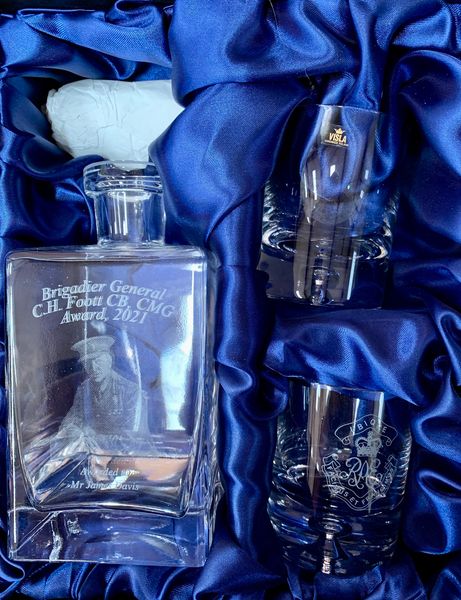
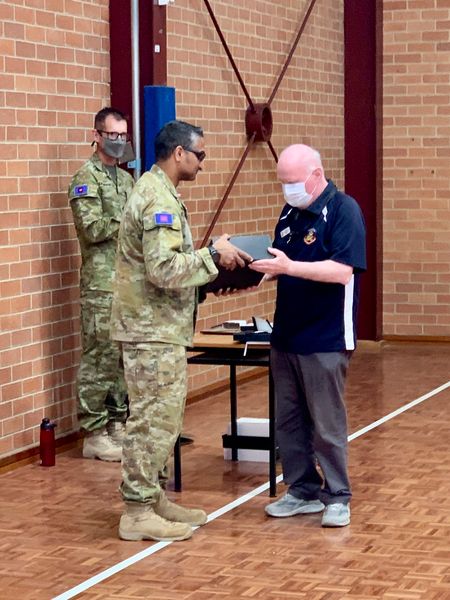
Subscribe to have our posts emailed to you automatically
38 Field Squadron RAE and 2 Recovery Company RAEME help in relocating a steam train at Mirboo North, 1985
The J 550 Steam train was one of sixty 2-8-0 locomotives built for the Victorian Railways by Vulcan Foundry of Newton-le-Willows, Lancashire. The first 30 locomotives (J 501 – J 529) were built as coal burners, and the second 30 (J 530-J 559) as oil burners with a distinctive circular oil tank mounted in the tender coal space.
J 550 became the last steam loco in revenue service for Victorian Railways when rostered on the 6:00am Bendigo pilot on May 25 1972. J 550 had been displayed at the old Mirboo North station from 1974.
In 1985 it was acquired by Steamrail Victoria as a future swap for A2 986, which had been plinthed at Warragul and was wanted for overhaul and restoration at Newport.
After a period in storage at Newport, J 550 was moved to Warragul in 1986 and plinthed in replacement for A2 986. J 550 was displayed at Warragul with an oil-burner J-class tender, but with the cylindrical oil tank removed from the tender.
After many years plinthed at Warragul, J550 was acquired by a preservation group and transferred to Noojee on 27 March 2013
38 field Squadron RAE and the 2 Recovery Company RAEME which was part of 3 EME Services Unit, were brought in to help relocate the train, taking sections of track and placing them in front of the locomotive and then moving the Loco, taking up the last section of track behind and moving it to the front again, 2 Recovery Coy using an International Mk 5, 5 ton Wrecker, an International M62/M543 Medium Wrecker and an unusual looking Land Rover.
ROYAL AUSTRALIAN ELECTRICAL AND MECHANICAL ENGINEERS
In 1965 2 Recovery Company (Comm Z) was located to Korumburra and Warragul, with its Headquarters in Korumburra. As this was a Corp change most of the serving members had to be retrained as RAEME tradesmen. In 1973 the unit became the recovery platoon element of 3 EME SERVICES UNIT. Its role was to provide recovery and driver training for soldiers in Third Military District, (3MD), and later all districts.
The unit also served in direct support of 3MD / 4 Brigade operations and tasks.
The unit continued to carry out many specialist recovery support tasks. In 1988 the unit became 3 Recov Coy. ( LSF).
The Coy HQ was in Korumburra, with I Recovery Platoon in Korumburra/ Warragul and 2 Platoon in Homebush Sydney. In 1992 Homebush & Warragul depots closed. 2 PI. was relocated to Baxter (VIC). Baxter closed 1997, with 2 Pl then relocating to Korumburra. In 2002 3 Recovery Coy relocated to Dandenong.
Because of the “pool of recovery knowledge” and the equipment capability this unit has, over the years been instrumental in many interesting and varied recovery tasks.
Some of these include;
The recovery on guns from Pt Nepean, (1976),
recovery of winch and 16 tonne boiler from Outrim (1978), Extraction and recovery of the “disappearing gun” from the South channel fort, in Port Phillip Bay (1980). Gun shields from Pt Lonsdale (1981) and Winch and gold stamping battery, Swifts Creek 1988. General Morseheads caravan to the Australian War Memorial 1995. Relocating Australia’s last WWII B24 Liberator Bomber from the Latrobe Valley to Werribee 1996.
These are just a few of the unit’s “battle honours”, and over the years this unit has recovered such bizarre items as refrigerators, LARC’s, tanks (of varying size and vintage), plant equipment and even the odd steam train!
We have supported many and varied units and activities in every state of Australia. We have moved national historical items, for the Australian War Memorial, and have been called out to assist Victoria Police in recovering civilian cars involved in accidents, on more than one occasion.
The unit has, in the past, been the “centre of gravity”, with reference to Army Reserve recovery training. For close to twenty years (from the mid 60’s to mid 80’s) the unit had the role of providing recovery training to the CMF/ General and Army reserve soldiers. The unit also recognized the requirement to conduct driver training. For many years the unit conducted simultaneous driver/recovery training. To fulfill these twin requirements the unit managed to deploy to such exotic places as, El Dorado, Hattah (little desert country), Boola State Forest, Eden, Swifts Creek, and eventually Yackandandah.
Sources; ‘Preserved Steam Locomotives Down Under’
RAEME ‘Craftsman’ magazine
Mel Constable
RAEAV Collection PV 1054(9)
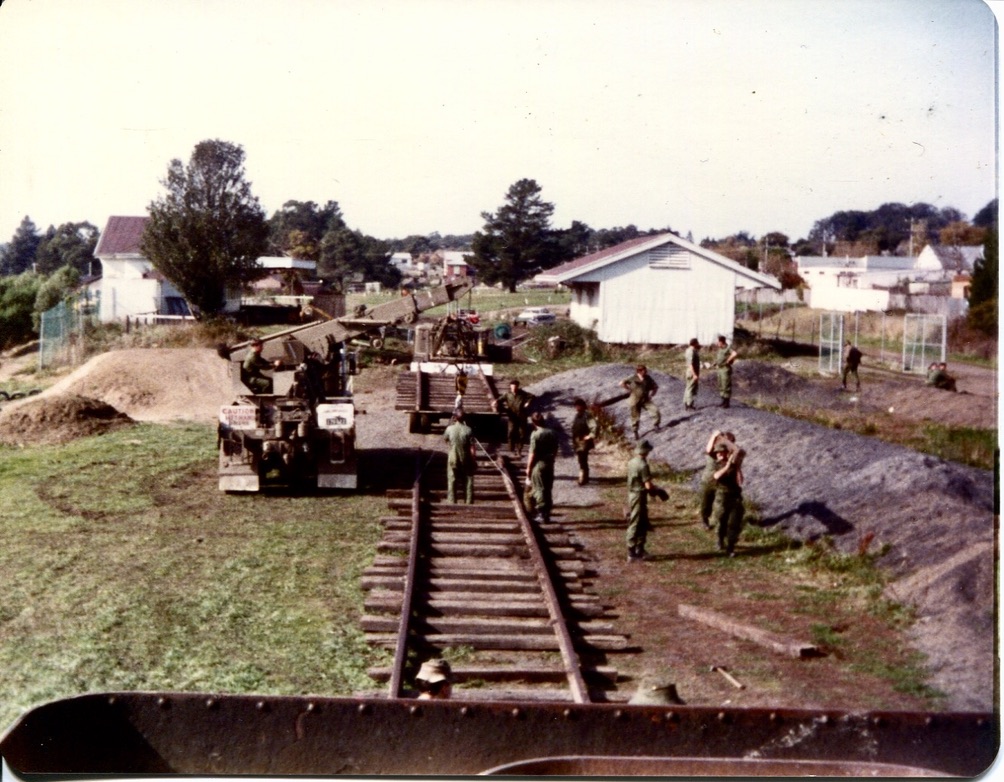
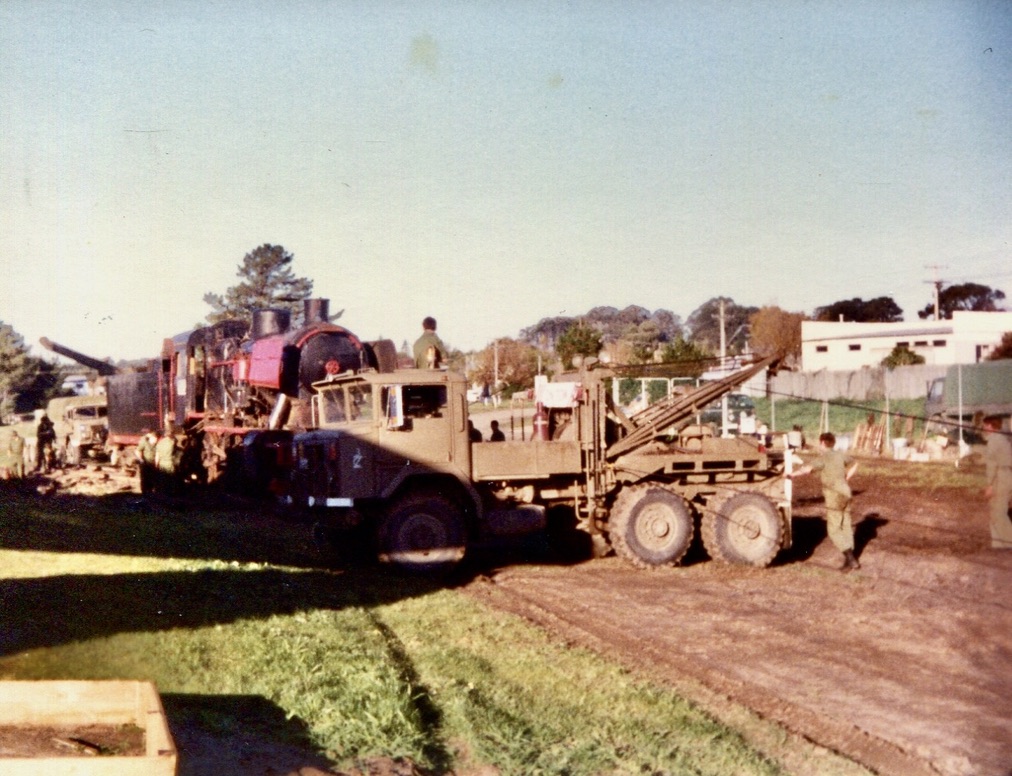
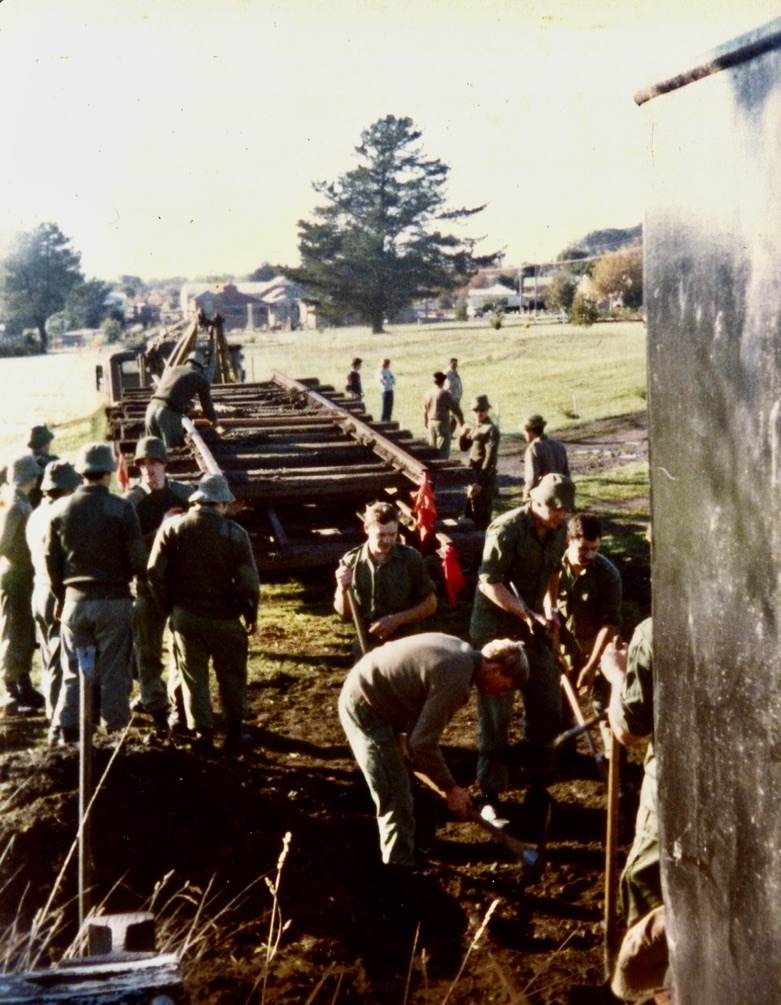
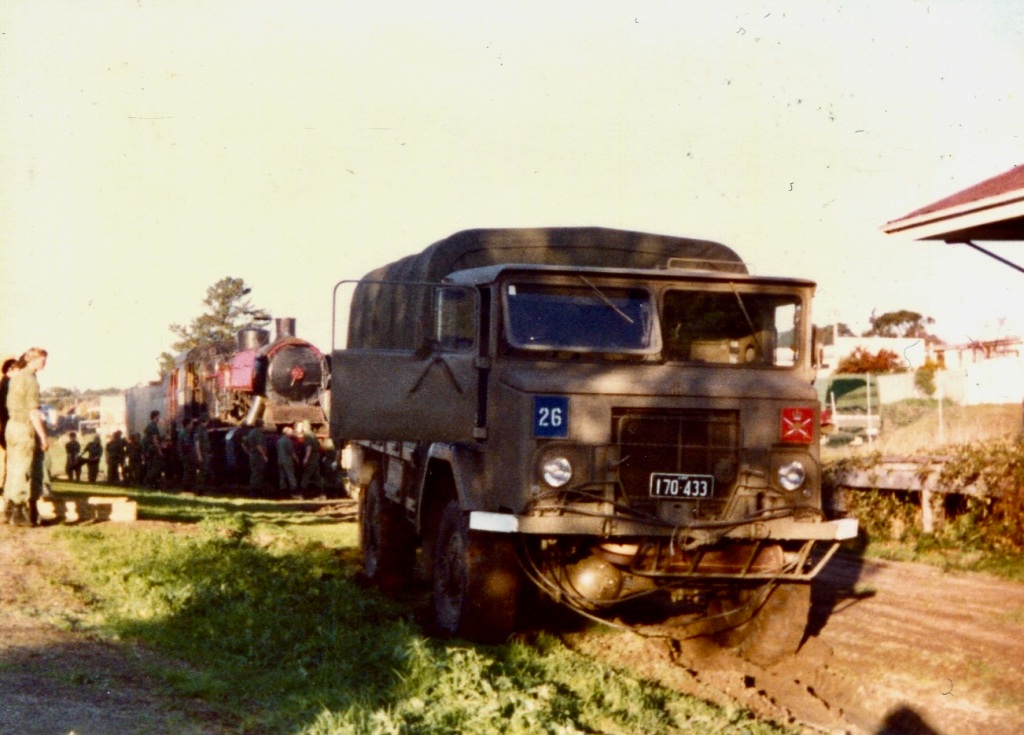
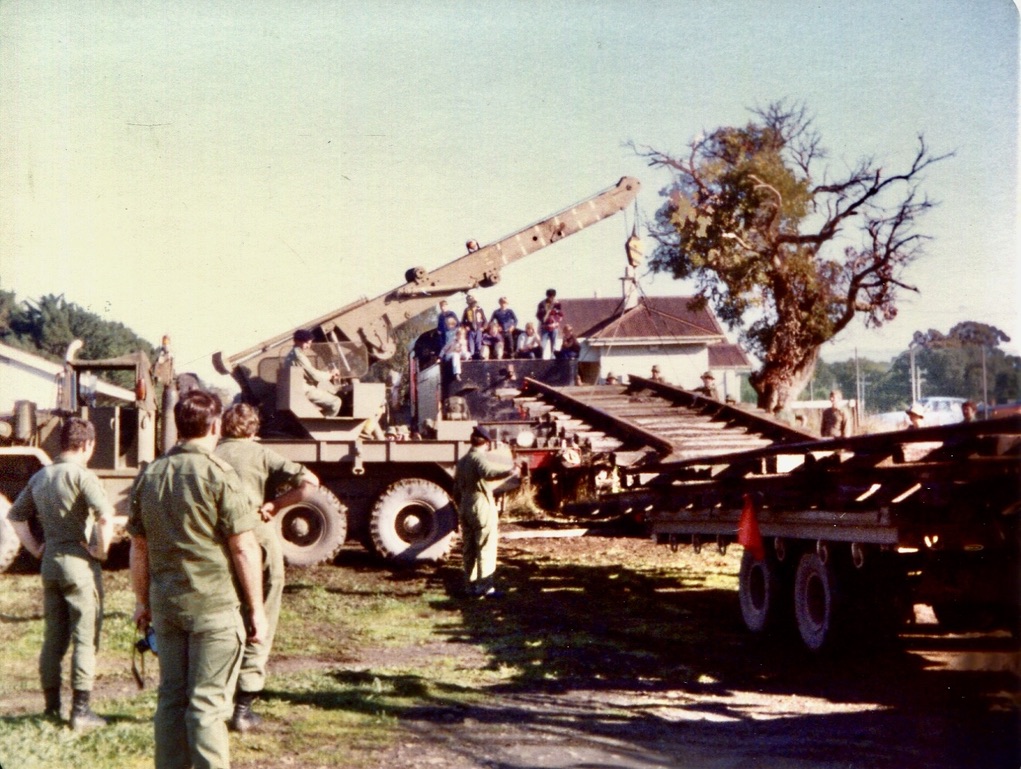
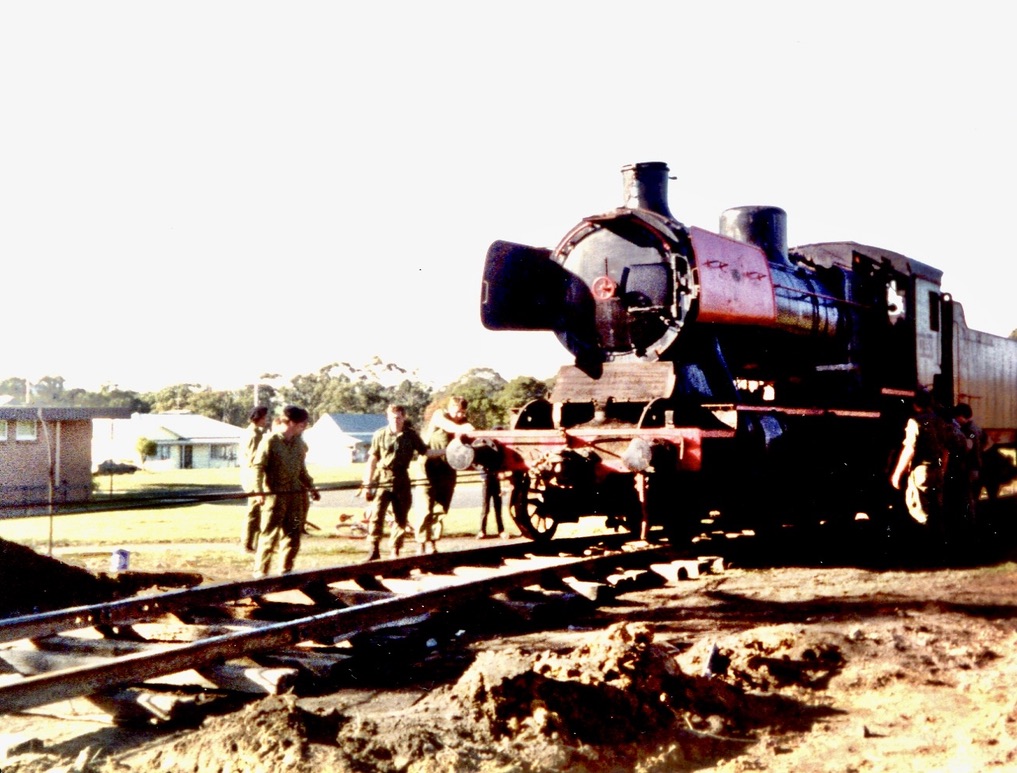
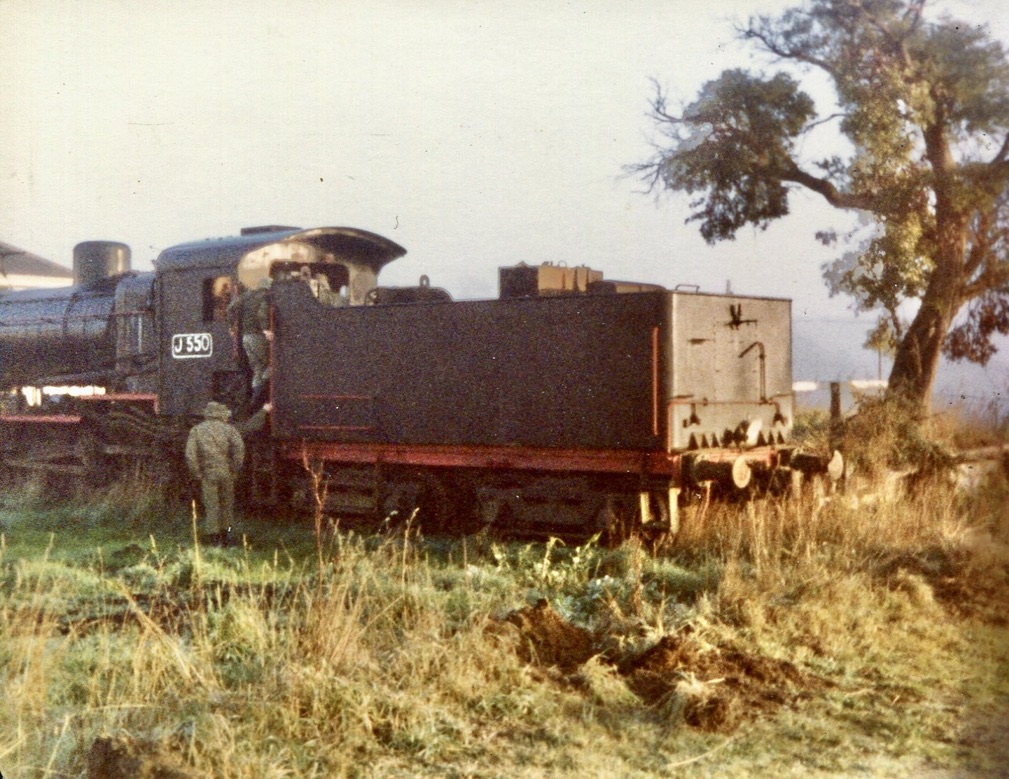
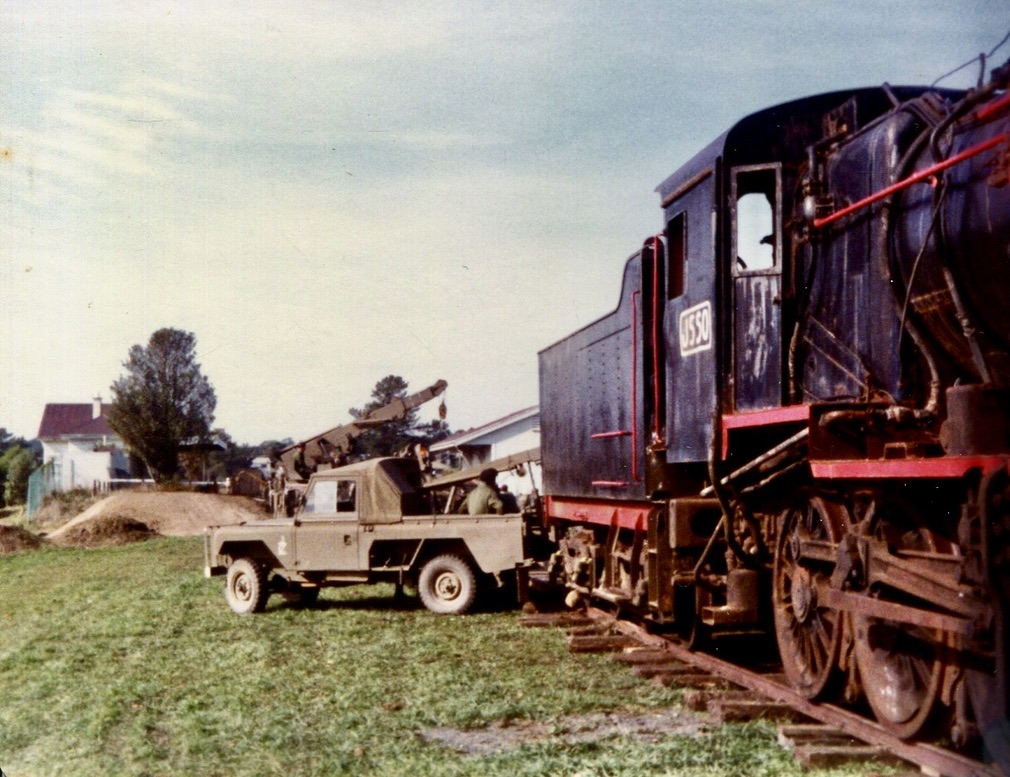
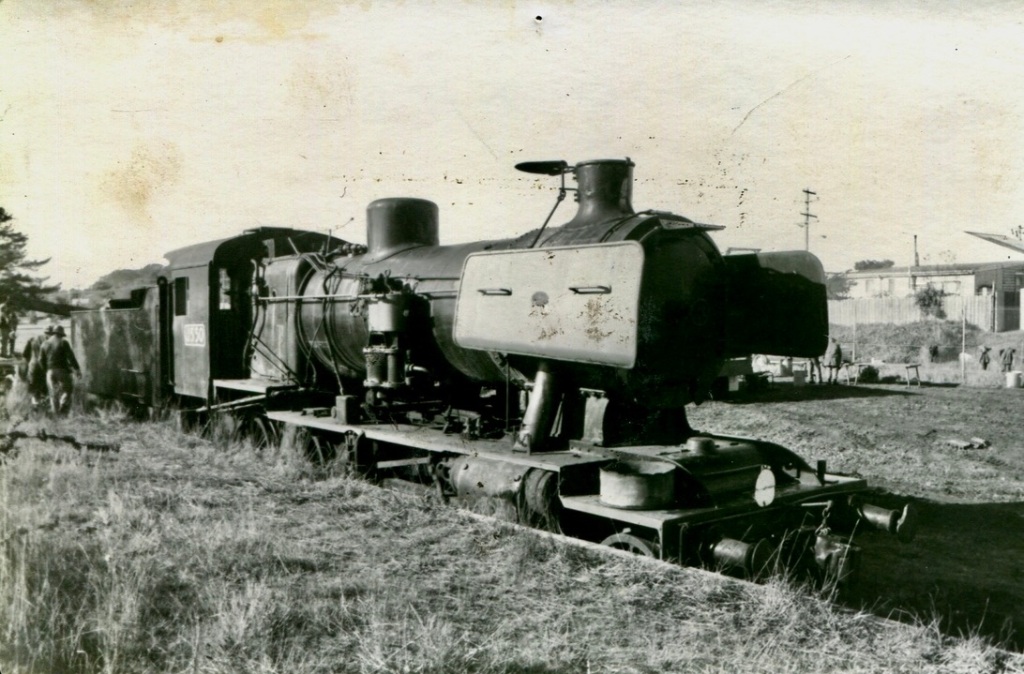
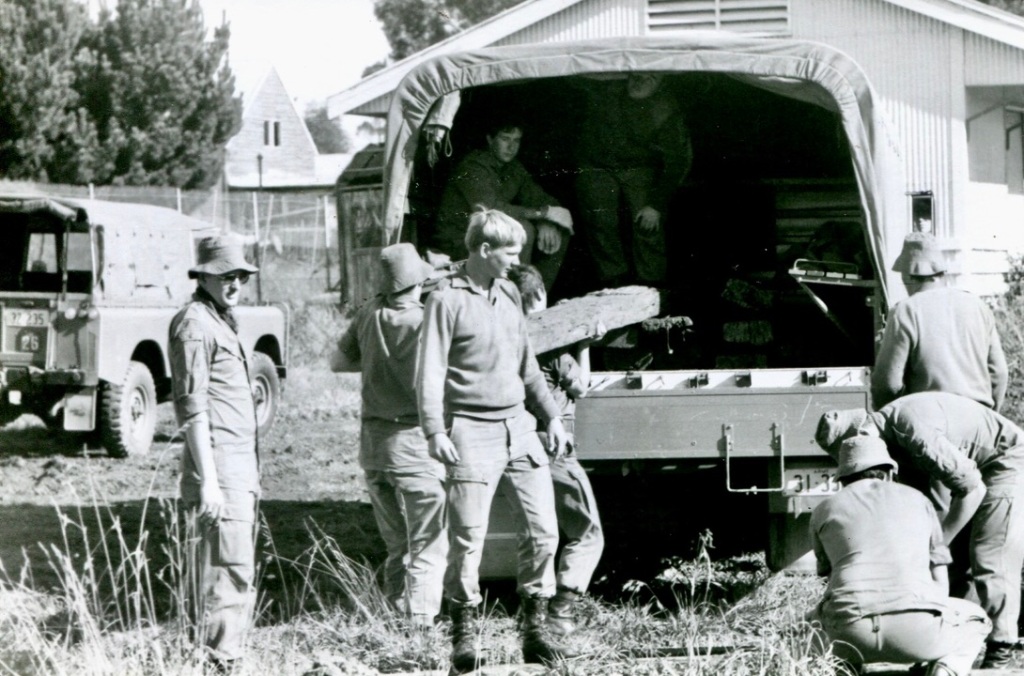
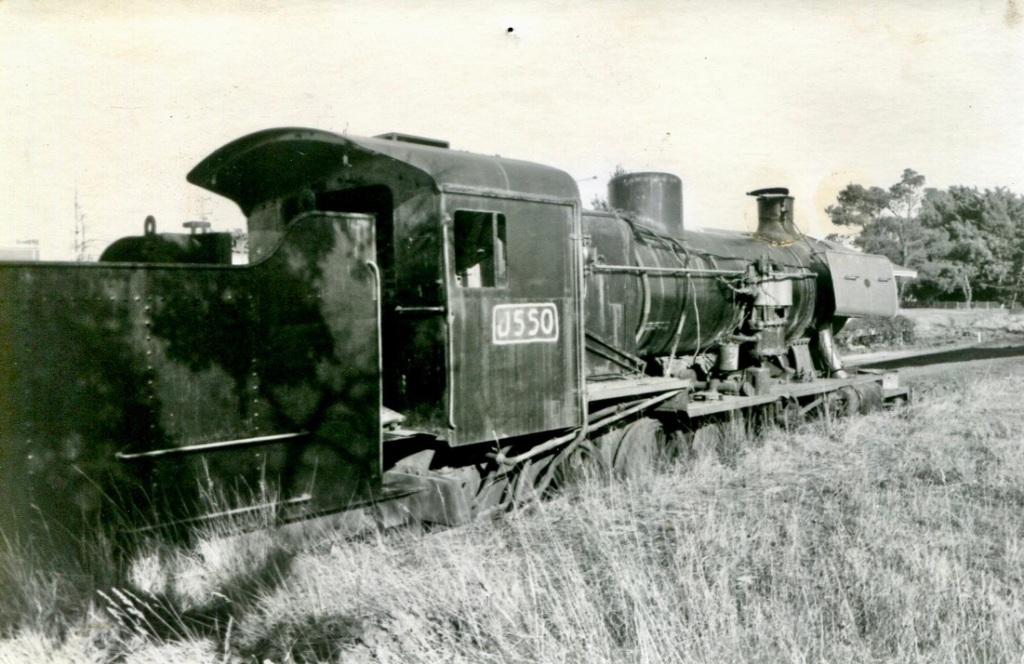
Subscribe to have our posts emailed to you automatically
22nd Engineer Regiment (22 ER) commences 2023.
On the weekend of 03rd March – 05th March 2023 22 ER commenced their training year with a deployment to HMAS CERBERUS where the annual mandatory training was undertaken.
In addition to the serious side of the training and preparing for the year the CO (LTCOL Scott D’Rozario) took the opportunity of having a BBQ tea on Saturday night and also make some presentations and promotions.
Whilst the Association was not in attendance from all accounts the weekend was very successful with a good turn up and a positive outcome from the BFA and weapons activities which puts the Regiment on a good footing for 2023.
The Association wants to further enhance its ties with the Regiment and to acknowledge and congratulate the awards and promotions involved.
LTCOL Scott D’Rozario
Was awarded his First Clasp to his Defence Long Service Medal by Commander 4th Brigade, Brigadier Michelle Campbell on 4 March 2023.
CAPT John Alekoz
Was awarded the Australian Defence Force Bronze Level Commendation for his tireless and noteworthy performance in carrying out his operational role in the Joint Task Group 629.2, during the extreme weather event in Victoria in 2021.
PTE Kate Moyle
After a recent Corps transfer to the RAE Kate Moyle was promoted to Lance Corporal.
LCPL James Kelleher.
James Kelleher was promoted to Corporal.
CAPT Noel Tipton
Has already been recognised with a separate post on his outstanding achievements to Defence and Service to his country but he is certainly worth another acknowledgement here.
Awarded the first and second Federation Star to the Defence Long Service Medal (and Sixth Clasp) by Commander 4th Brigade, Brigadier Michelle Campbell, to signify 45 years’ service and he was also presented a gift (sword) from the Officers and Soldiers of the 22nd Engineer Regiment.
UBIQUE
RAEAV Collection PV 522
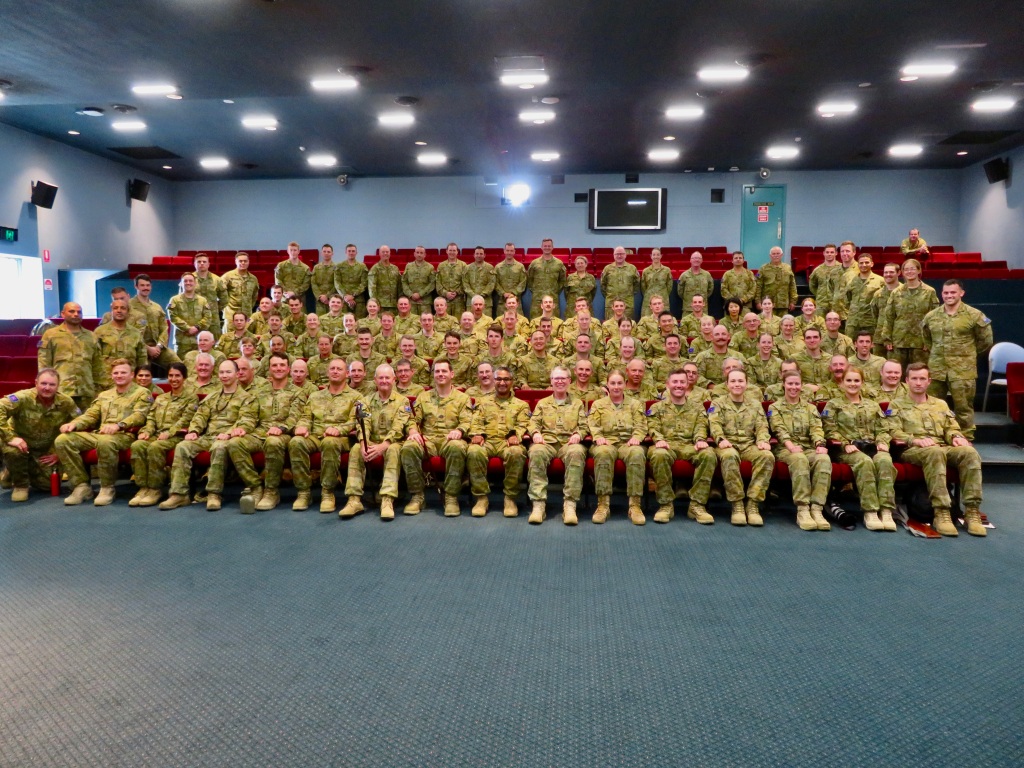
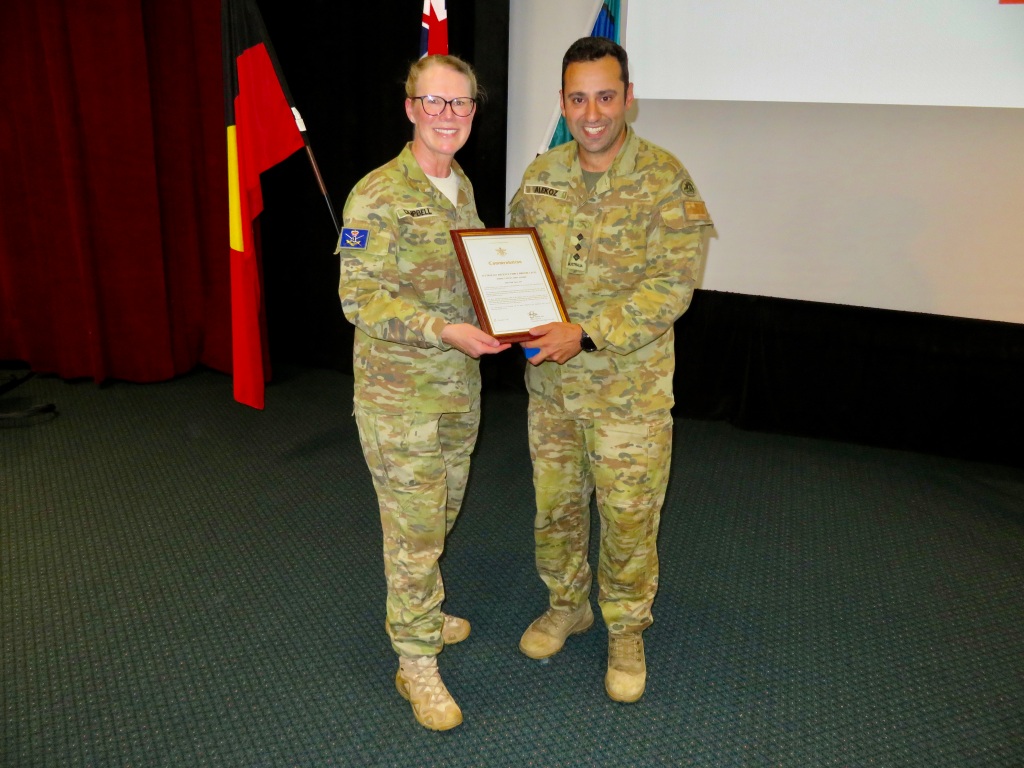
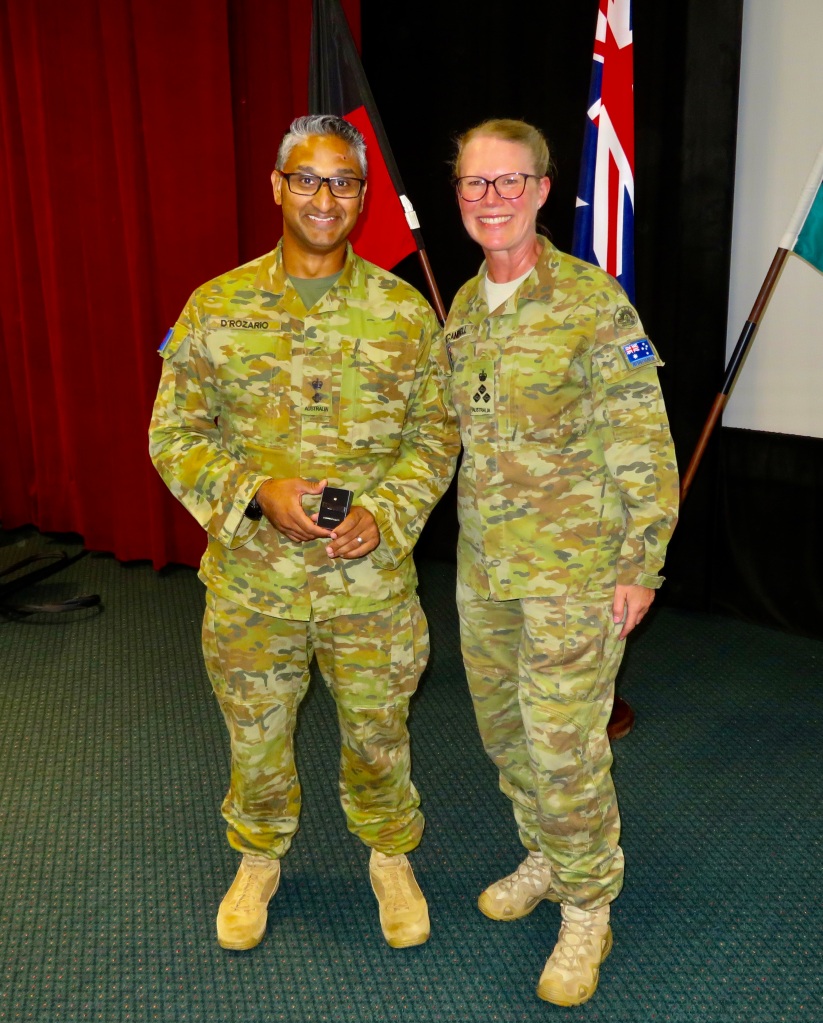
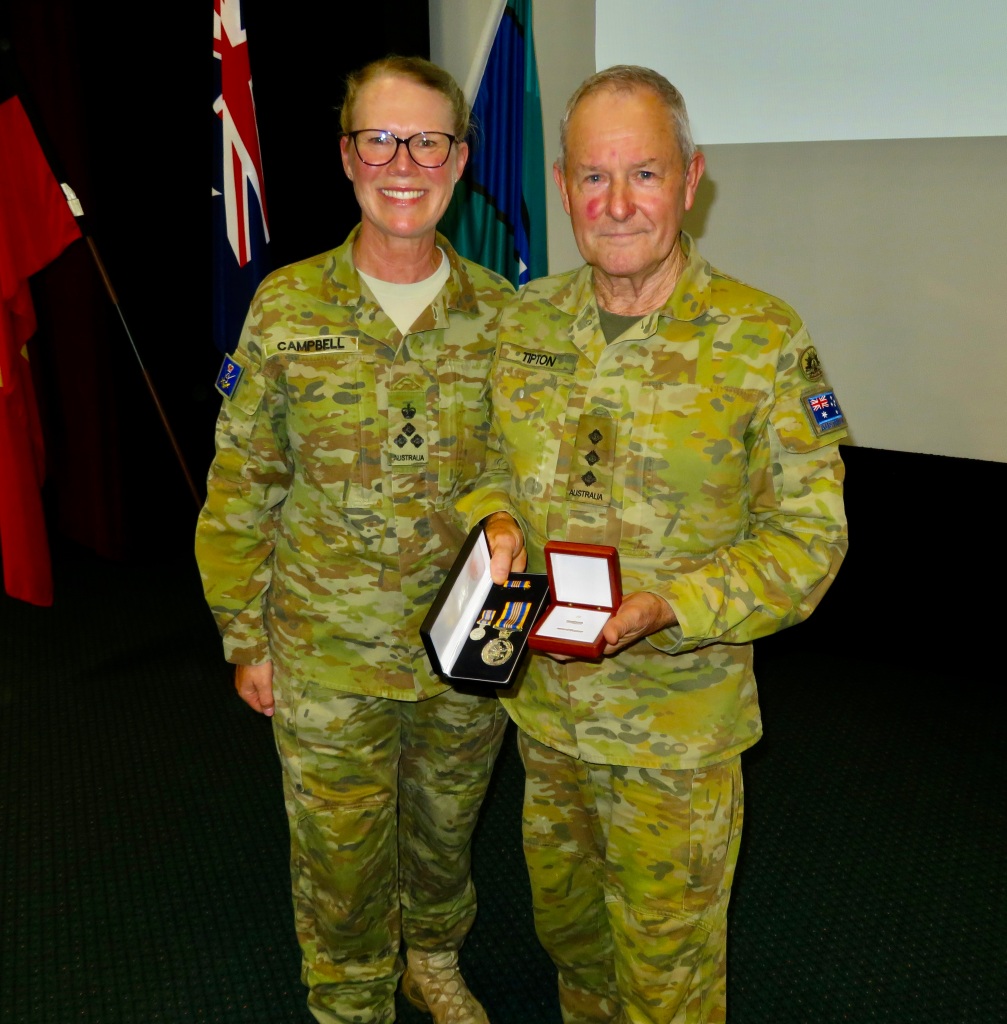
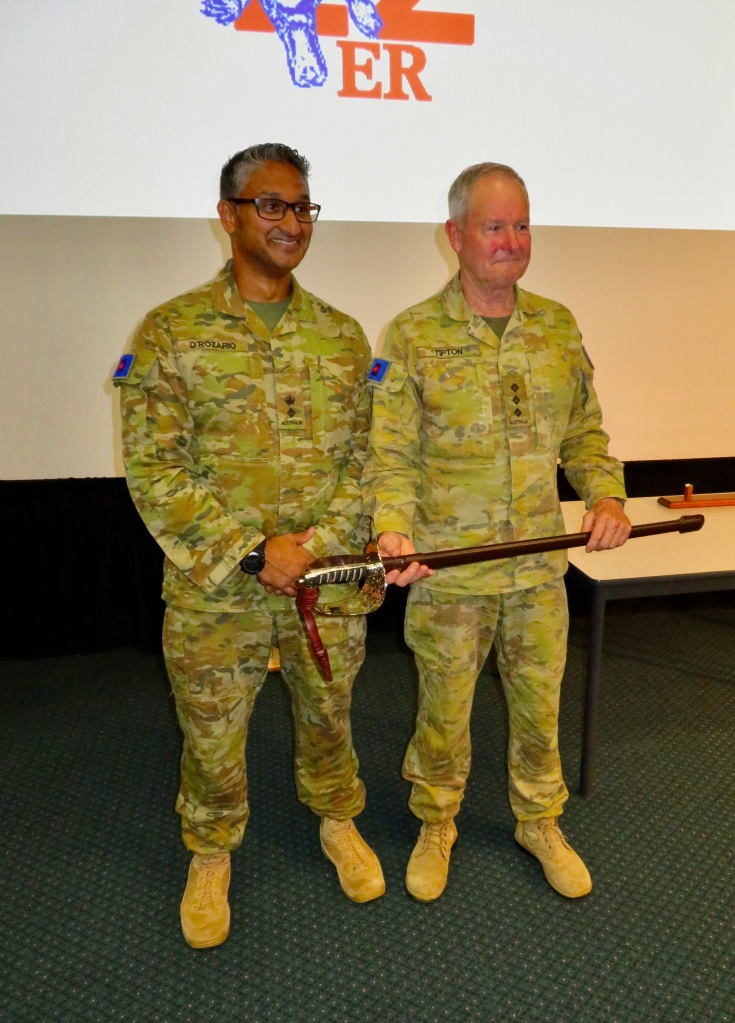
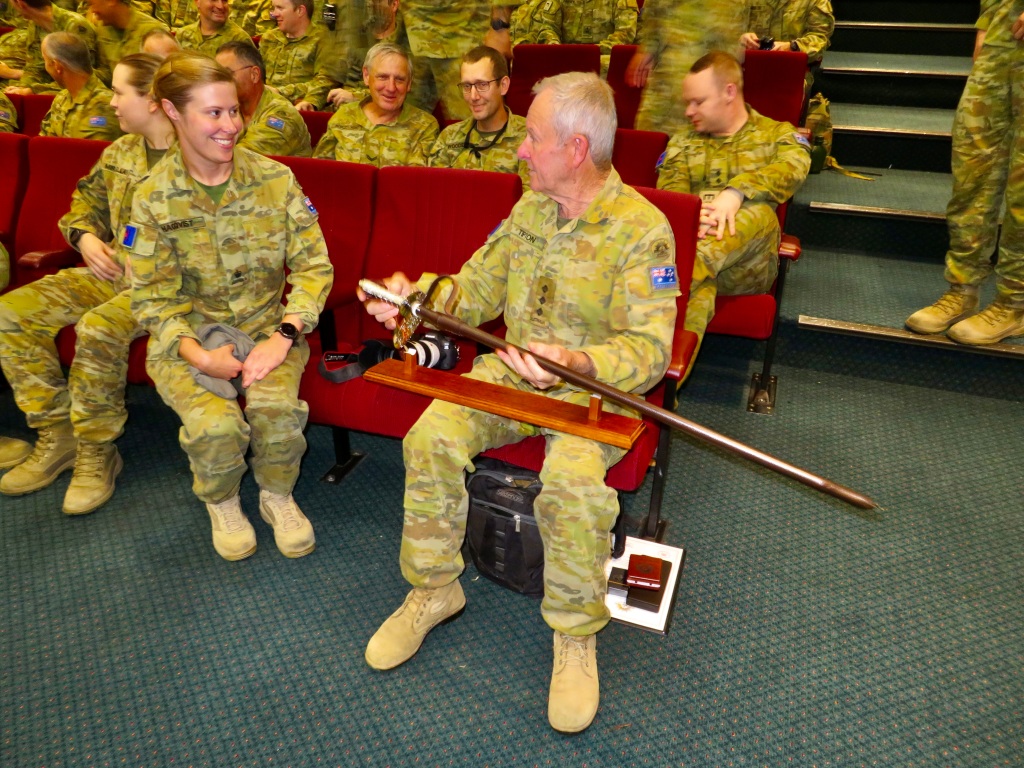
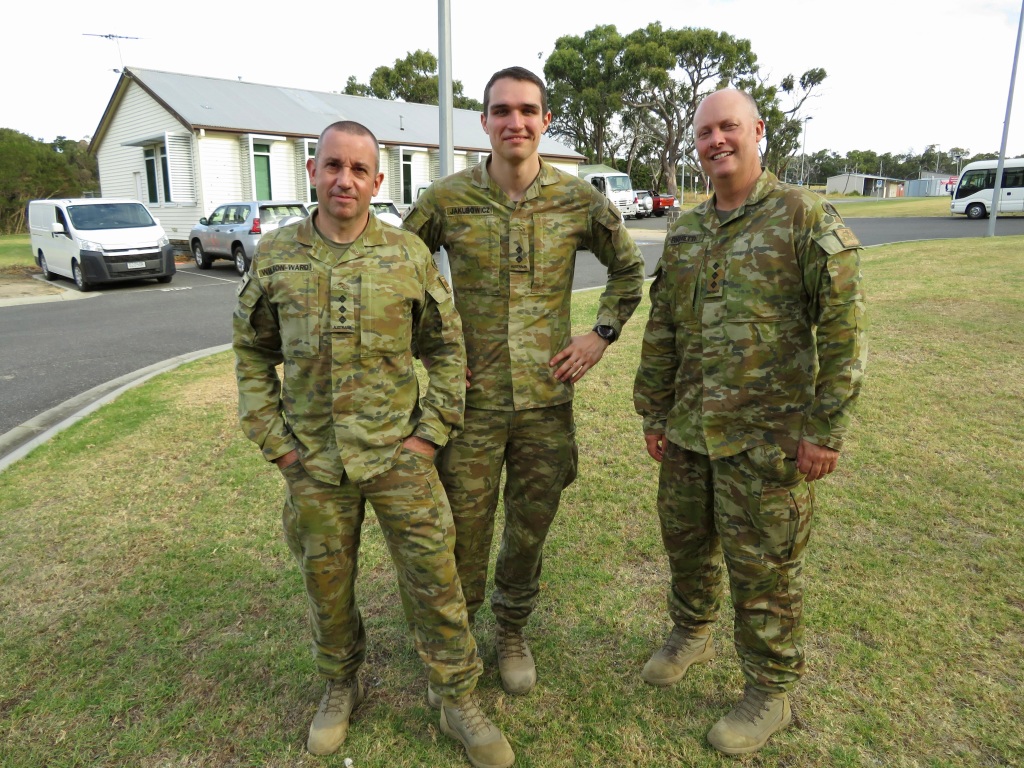
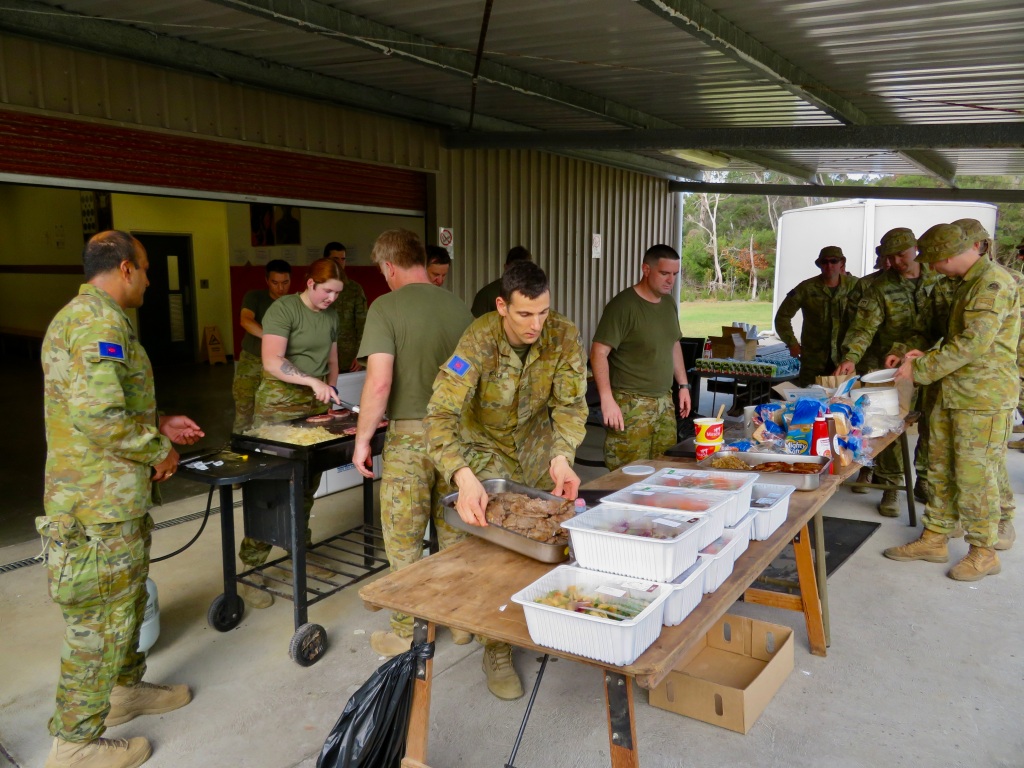
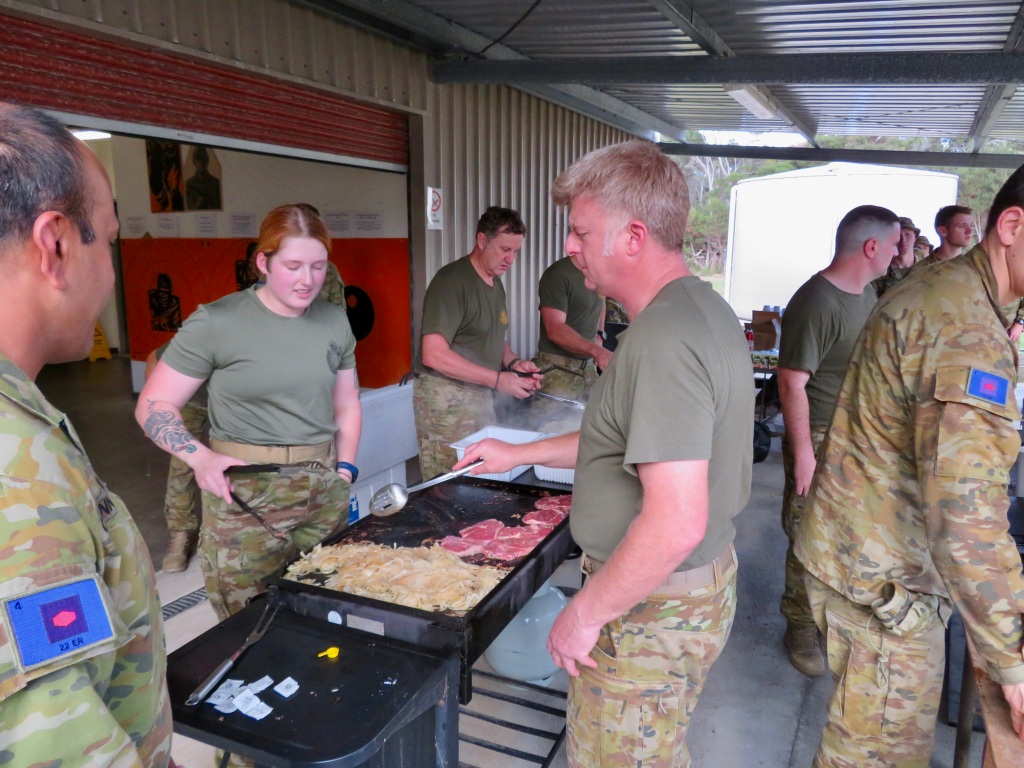
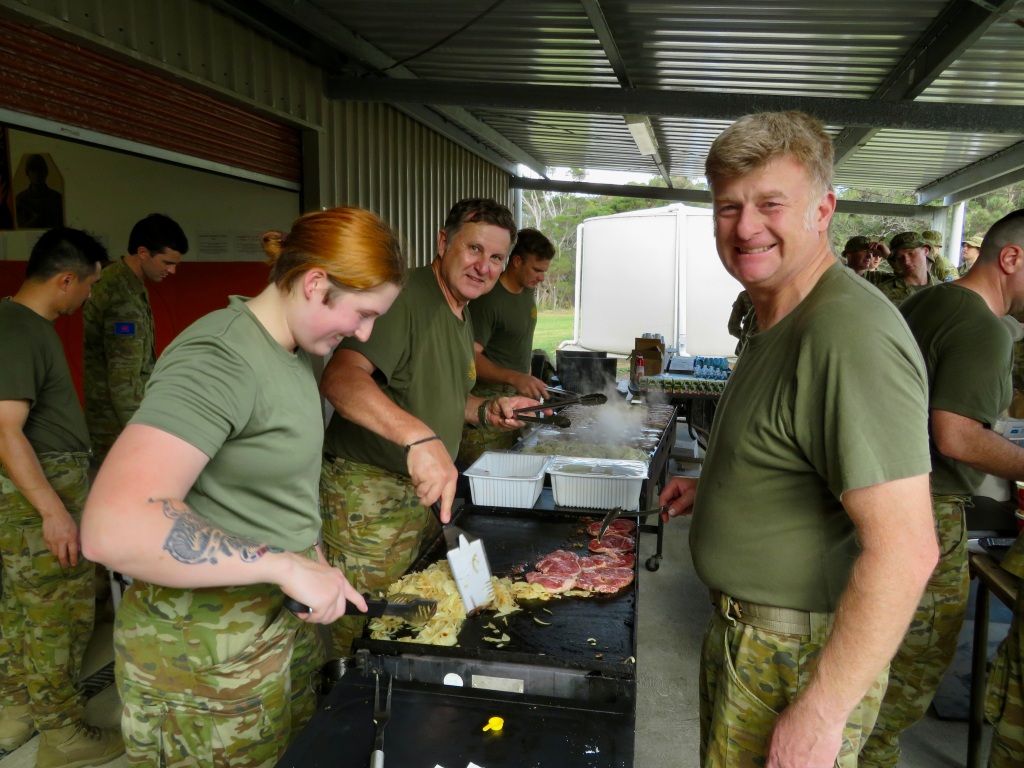
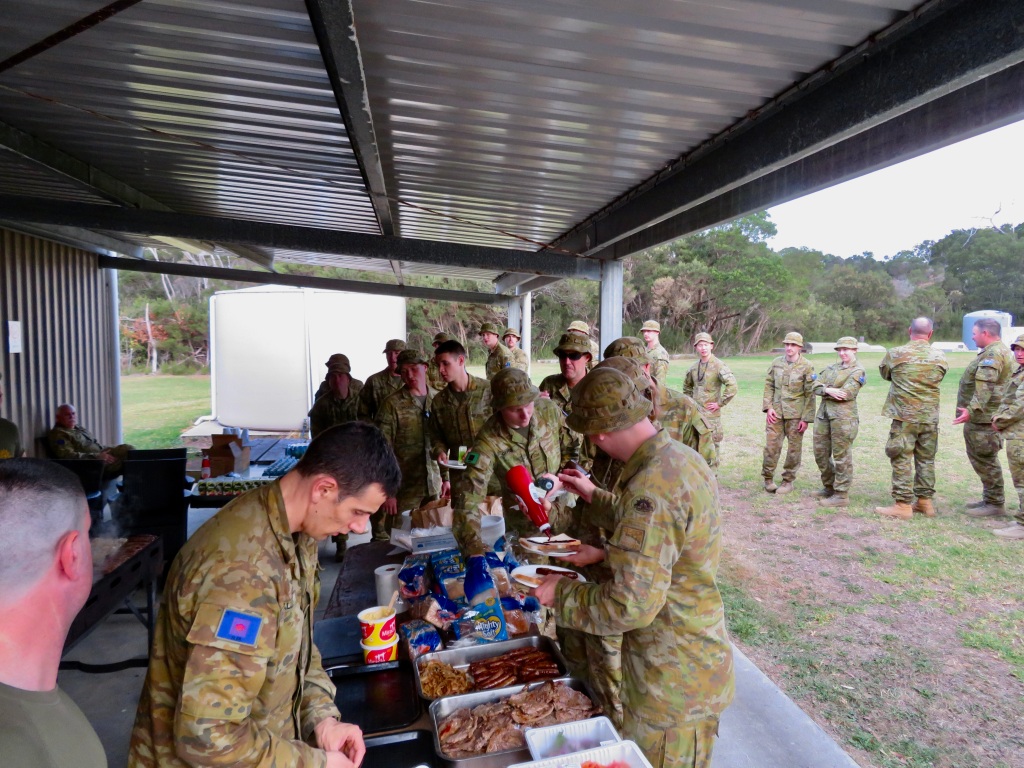
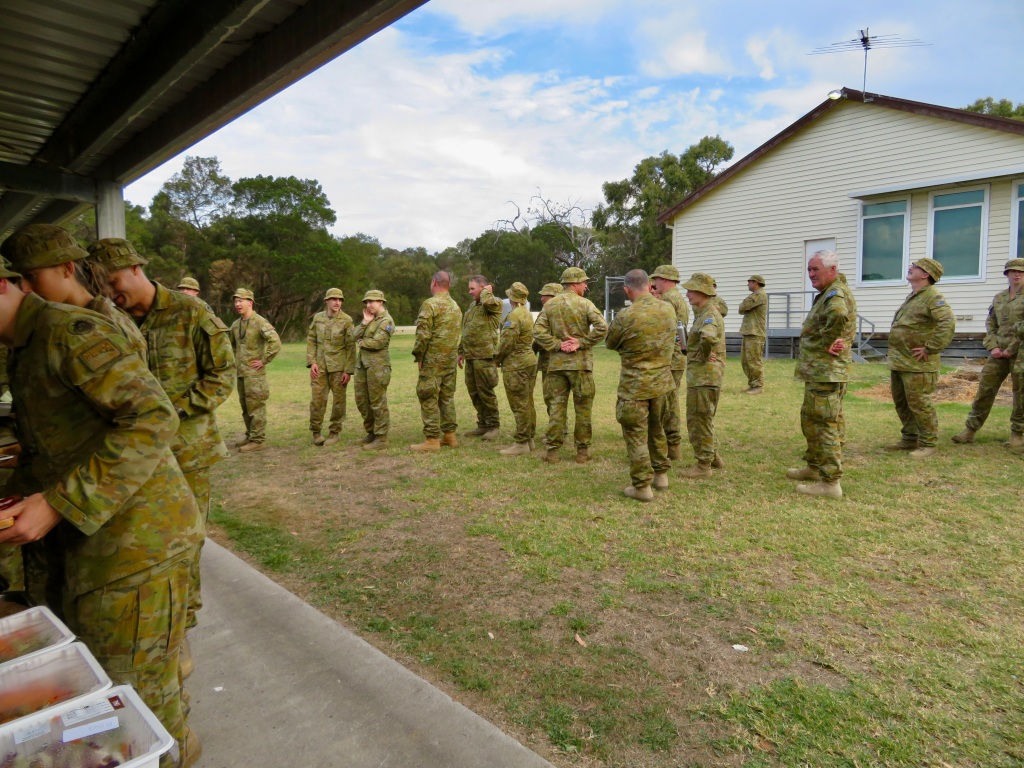
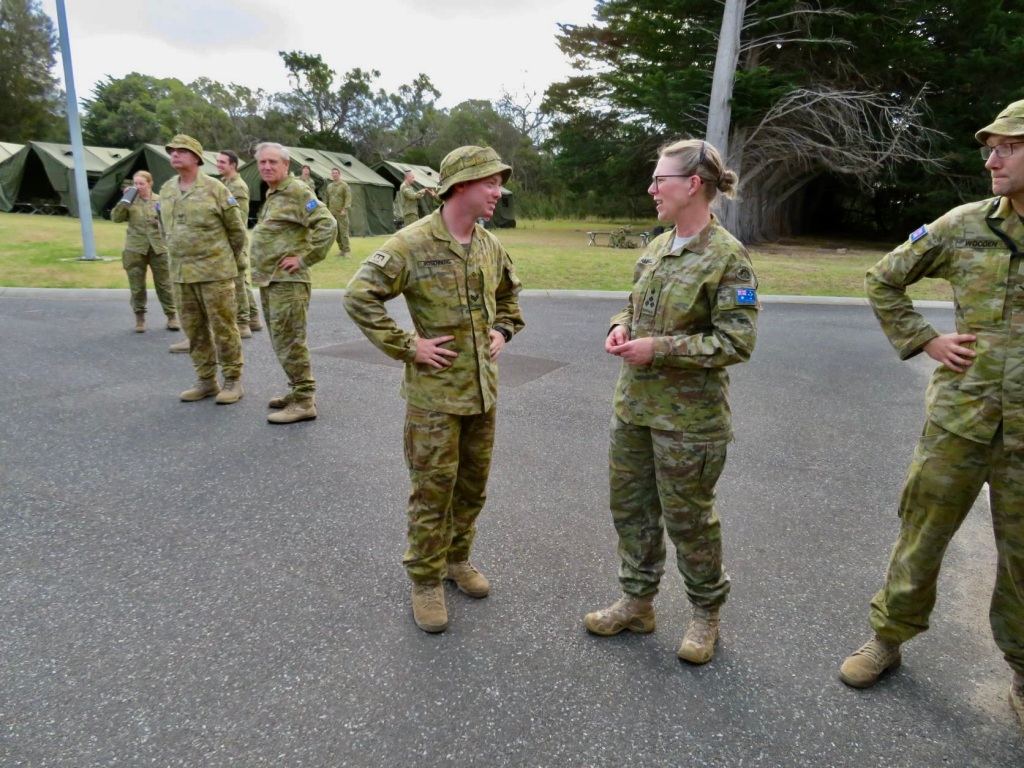
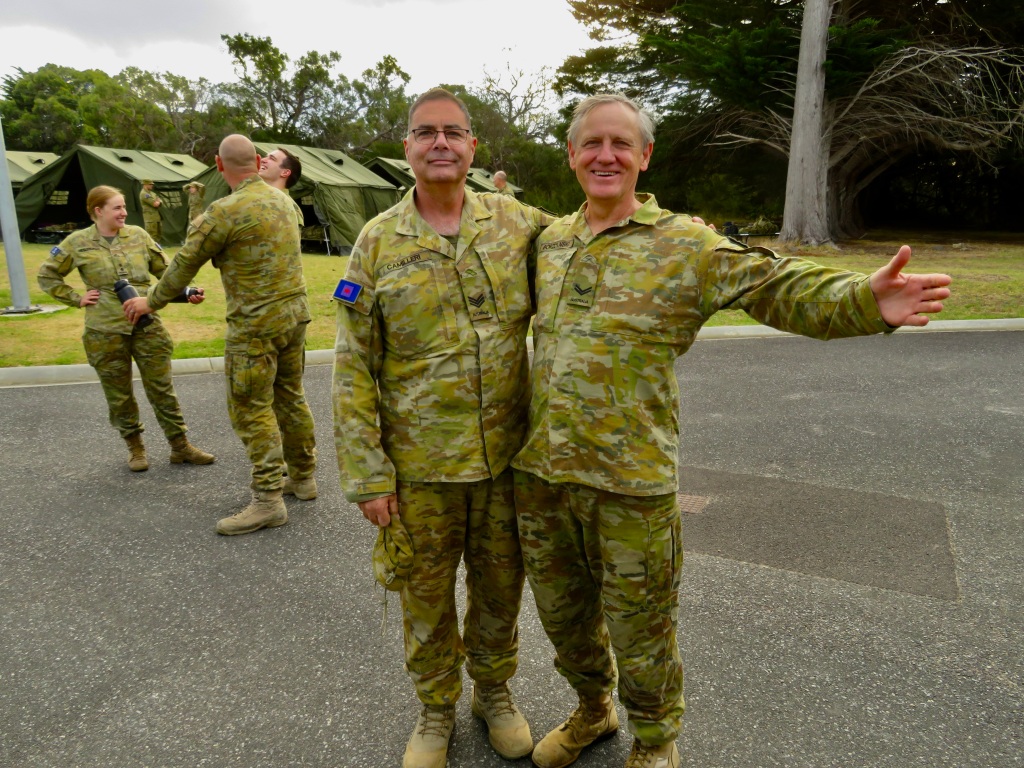
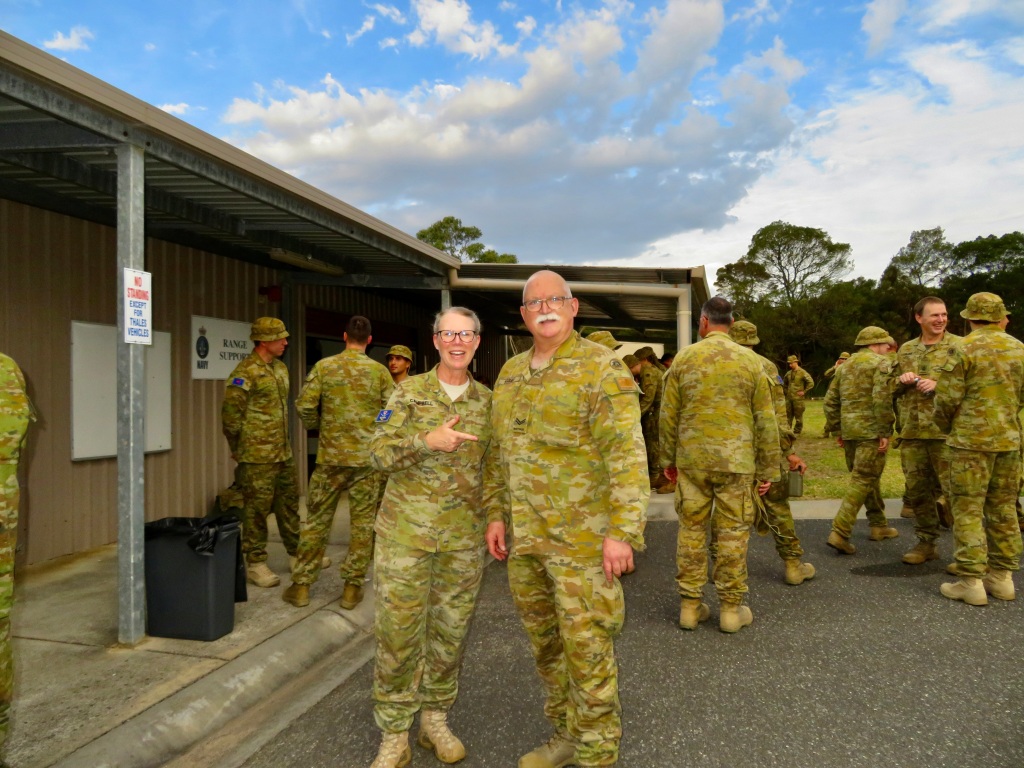
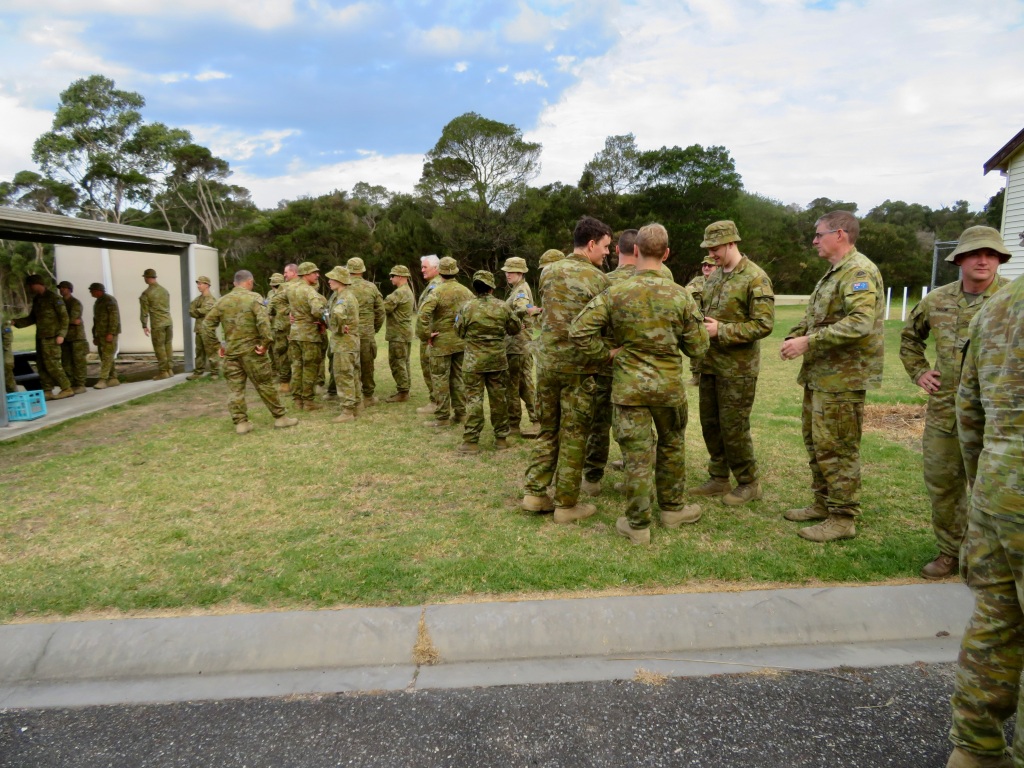
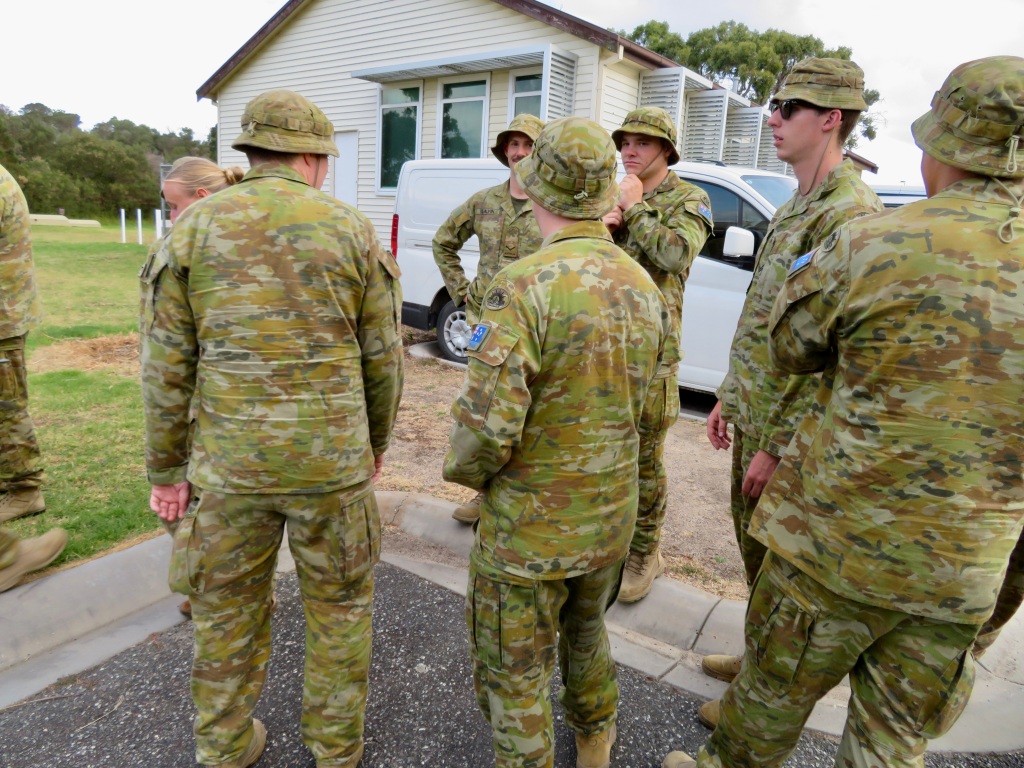
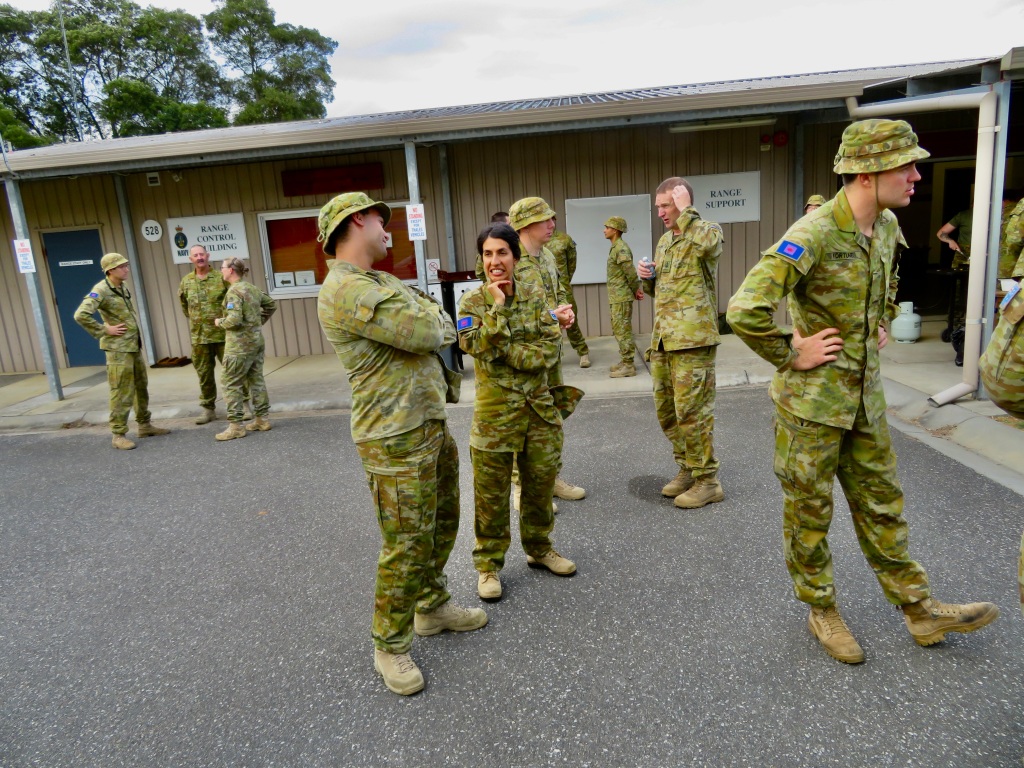
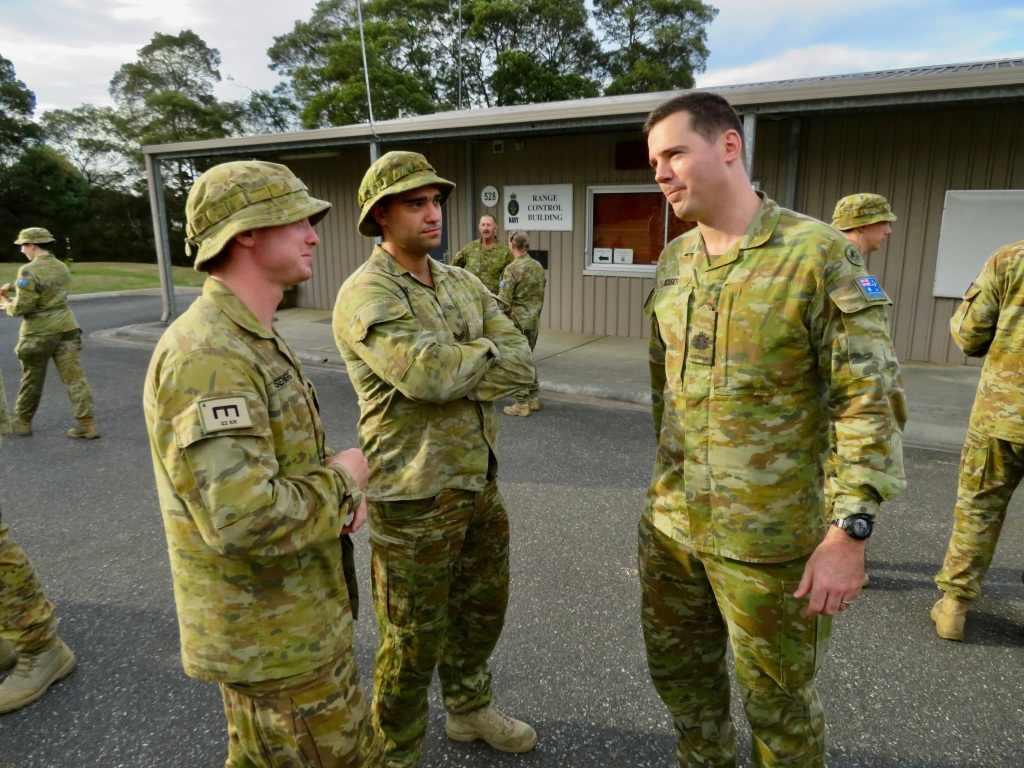
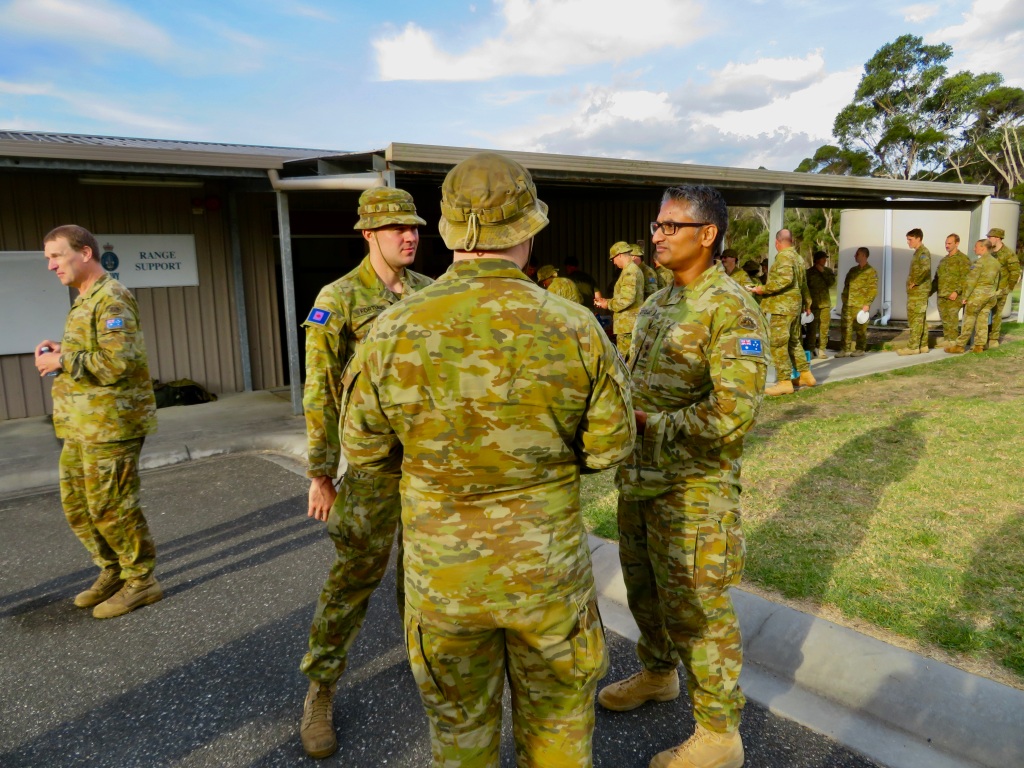
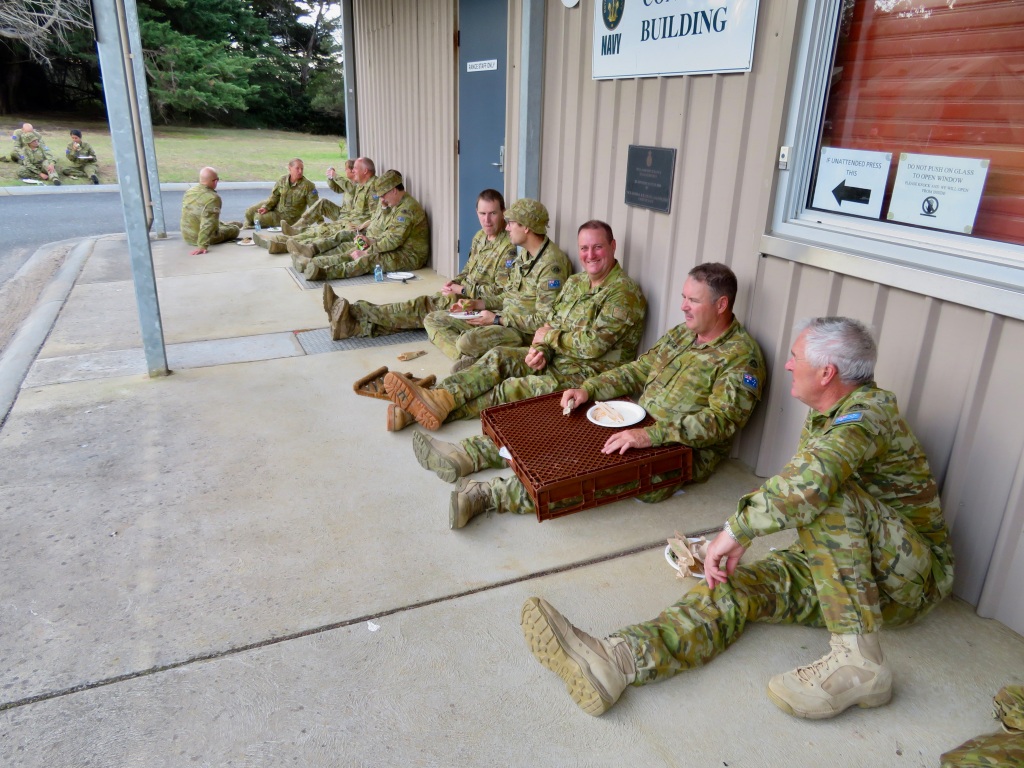
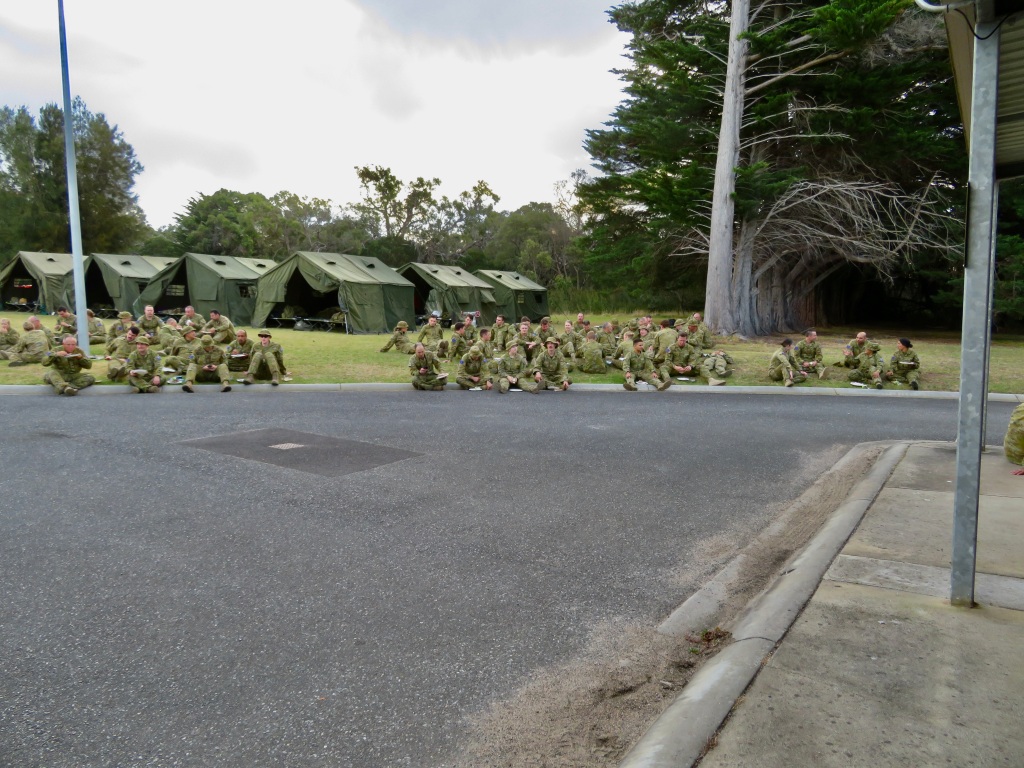
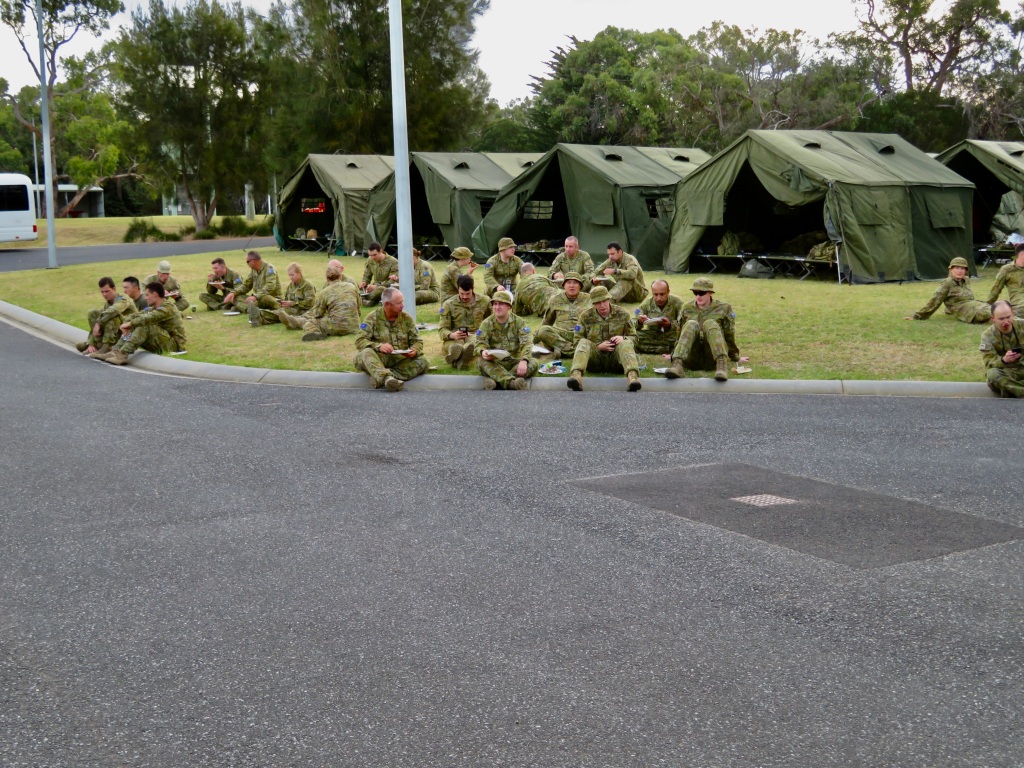
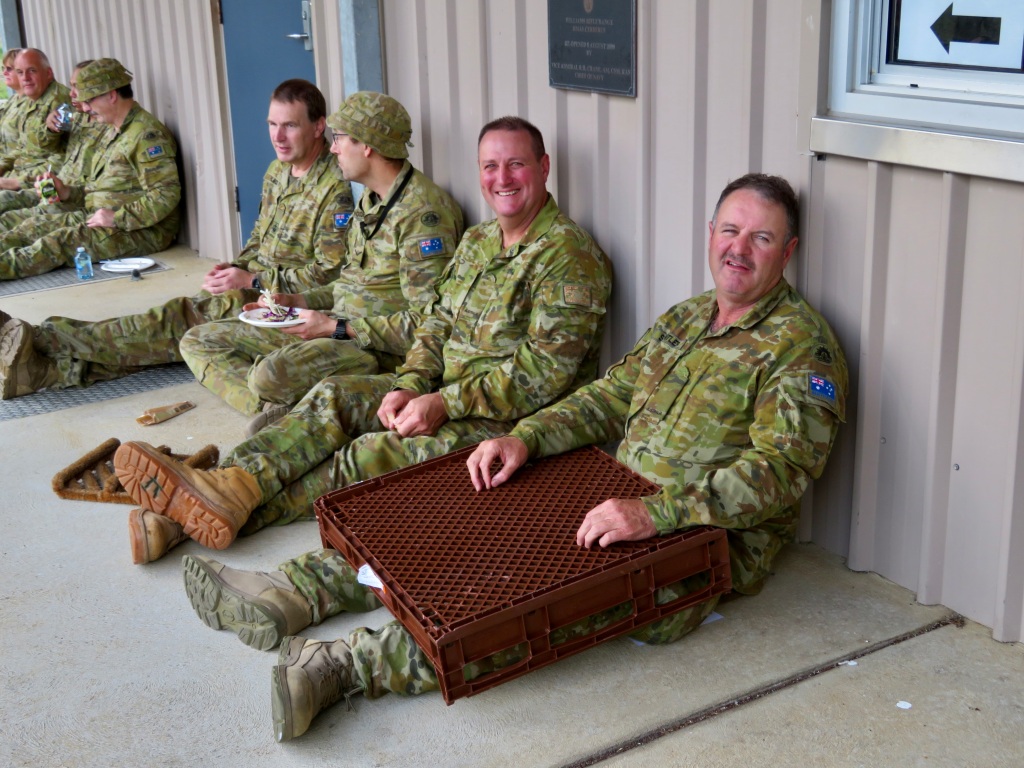
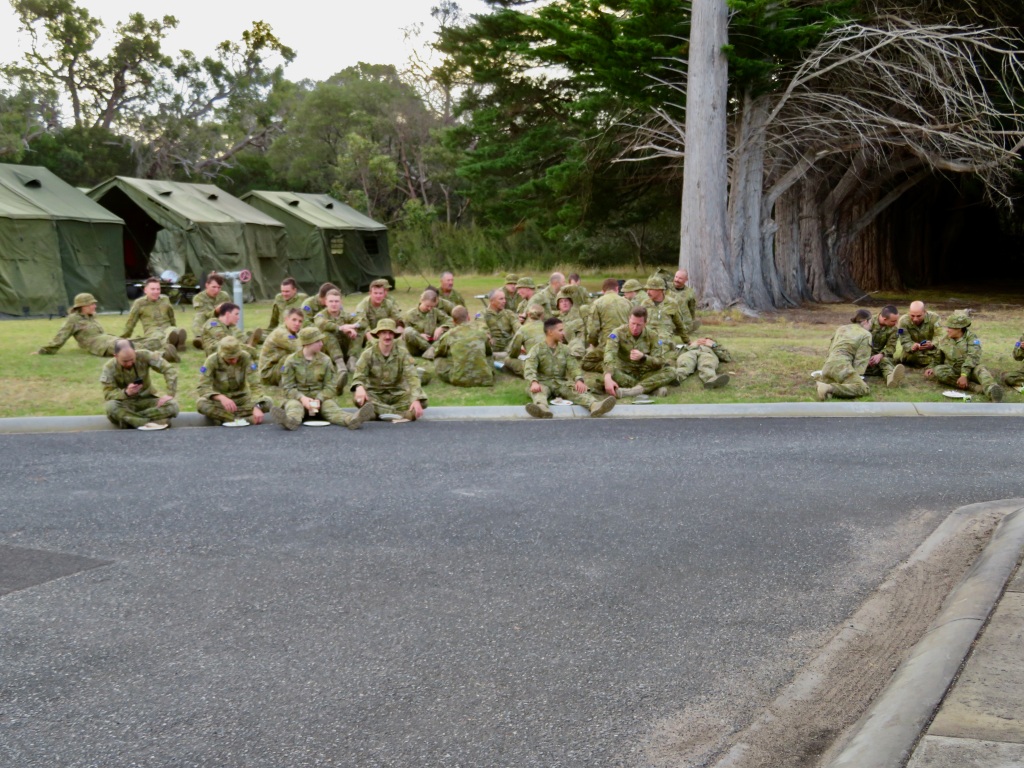
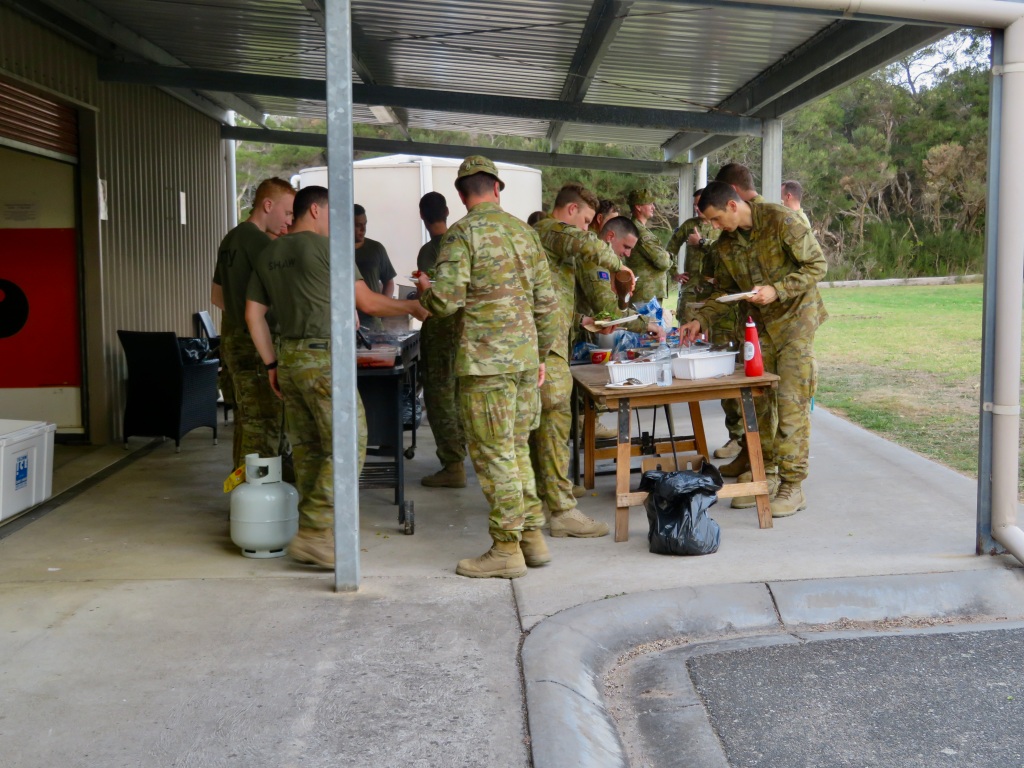
Subscribe to have our posts emailed to you automatically
Sealers Cove Wilsons Promontory 1974
In 1974, 7 Field Engineer Regiment camped at Tidal River on Wilsons Promontory during which projects including a bridge at Sealers Cove built by the then LT Colin Bowater and his troop, as well as corduroy tracks and numerous engineer reconnaissances tracks to train senior NCO’s.
Source; Swan Street Sappers.
Photos donated by Colin Bowater
Photos 1-7 The Sealers Cove bridge
Photo 8 An example of a Corduroy track/bridge
RAEAV Collection PV 23


Subscribe to have our posts emailed to you automatically
A Sappers job is never dull.
At the RAAF base at Point Cook in 1988, 7 Field Engineer Regiment took on vital asset protection works.
At the same time the Sappers were asked to exhume an old Lincoln Bomber engine that had been buried for a long time, for the RAAF museum.
All this whilst successfully “fighting off” the 2 Commando Company and the RAAF defence staff
Source; Swan Street Sappers
Photos donated by Colin Bowater
RAEAV Collection PV 8


Subscribe to have our posts emailed to you automatically
91 Forestry Squadron RAE and the Castlemaine to Maldon, Victorian Goldfields Railway
Maldon with Township was founded in 1853 the discovery of an alluvial goldfield. In its heyday Maldon had a population of 4000 who were largely employed by gold mining companies.
By 1880, Maldon was the largest community in Victoria, that was not served by a railway. On the 16th June, 1884, the first train ran on the Maldon branch.
Maldon Railway Station is an historic Victorian building with neo-Gothic arched windows, and today the station sees the departure of steam hauled tourist trains on Sundays and most public holidays. Diesel trains also run on advertised occasions.
The train takes you for a typical branch line railway journey through eucalyptus forests that are made more colourful in Spring, by wattle blossom and native wildflowers. Here and there sheep and cattle can be seen grazing in paddocks.
An extension to Shelbourne was opened in 1892. Passenger trains ceased running in 1941. The Shelbourne line was closed in 1969, after being badly damaged by a bushfire.
The Shelbourne wheat traffic was lost to road transport and the remaining Castlemaine-Maldon section continued operation with a weekly goods train.
On 3rd December 1976, the Maldon line was closed by the Victorian Railways.
Some 12 months earlier, a committee was working to promote the preservation of the line.
The Castlemaine & Maldon Railway Preservation Society was formed by a public meeting held at Maldon on 17th December, 1976.
After four years of negotiations, supported by the Ministries for Transport; Planning; and Tourism; and the City of Castlemaine and the Shire of Maldon, the Society was able to buy steam locomotives J 549; К 160; and later E 371.
Steam locomotives used on the Railway date from the 1940’s to the 1950’s and the diesel-electric locomotives, from the mid 1950’s. Compartment carriages date from the 1900’s and the excursion carriages from the 1920’s.
Easter Saturday, 29th March,1986 saw the re-opening of the line from Maldon station to the Bendigo Road level crossing. Further sections of track are now in use, and work is progressing on the re-opening of the line through to Castlemaine.
(Notes on the railway history are dated circa 1990)
As part of these restoration works, the timber used to restore the Muckleford Rail Bridge was milled by 91 Forestry Squadron using the units 60 inch sawmill at their Annual Camp held at Scrub Hill Puckapunyal in October 1989.
On 19 May 1990, the Squadron was given the opportunity to return and observe the fruits of their labours at an Open Day Maldon hosted by the Castlemaine and Maldon preservation Society for whom the timber was milled.
Mel Constable
RAEAV Collection PV 521


Subscribe to have our posts emailed to you automatically
RAE ASSOCIATION SAPPER MUSTER OAKLEIGH BARRACKS 25th February 2023
Once again, we were so fortunate to have the support of the CO 22nd Engineer Regiment (LTCOL Scott D’Rozario) who made the facilities of Oakleigh available for the event and supported the night by providing a Duty Officer and staff. Without doubt Oakleigh is an ideal place in relation to location and facilities for a night like this.
The Annual Sapper Muster is the most important event on the Association’s calendar and provides members, family and friends the opportunity to gather and enjoy the social and camaraderie aspects of the night. This year support for Muster was outstanding with a crowd of 125 people attending.
As usual Jock and Margaret conducted a raffle with some wonderful prizes – we were so fortunate to have some wonderful gifts donated by Stu (Ace) Williams (a former 4 CER sapper) who has supported us for many years and once again made a substantial donation along with Ryan Appleby and Michael Robbins who combined to provide 2 decanters etched with the Corps Badge and filled with a wonderful elixir. The support of people like Ace, Michael and Ryan helps us provide wonderful prizes and allow us to keep entry costs low.
For the 7th year the Association provided a spit roast meal which was served in the Drill Hall – people were not disappointed with the quality or quantity of the meal with many going back for seconds. The meal consisted of a main and sweets. The big winner was Don’s Assistance Dog Zeus.
As with all evenings there must be some formalities, and these included a report by the President (Don Hughes) on the Association’s achievements throughout the year and potential future events. Don went on to welcome everyone to the function in particular the Patron, CO and new RSM (Tom Jesser). Don also acknowledged several prominent guests.
An absolute highlight of the night and the year was the opportunity of being able to present a RAE Head of Corps Commendation to Eric (Jock) Howatt which was awarded to Jock for his outstanding work in raising much needed funds for the Royal Children’s Hospital along with his contribution to the community. Making the presentation and representing the Head of Corps was BRIG David Wainwright, DSC.AM
Our thanks must be extended to the CO (LTCOL Scott D’Rozario) for allowing the Association the use of these wonderful facilities along with great support from the staff in setting up the depot. Duty Officer (DO) was WO2 Tim Place and GD’s SPR’s Tate Moody, Stephen Rothwell, Richard Fossett and, Chris Clayton. The bar was manned by Noel Tipton with support from several of the Officers who were in attendance. Special thanks to Anne Court, WO2 Tim Farmer for their support and assistance and LT Michael Plant assisted with setting up the venue.
So many people deserve to be acknowledged for making the night a success but thank you to Jock and Margaret for your raffle work, Kevin Moss who deputised in the absences of Duncan Howarth on the financial side and Mel and Pottsy who both are so important for the success of the night.
The Muster is the Association’s major fellowship event for the year and is not convened to make money but to bring together a good cross section of sappers of various ages and ranks to enjoy the company of like-minded people. This year we welcomed members of the Royal Engineers and thank them for their support.
The most important thank you is saved until last and that is to the people who came along on the night and supported the Association by attending because without your support and encouragement the night would be a failure.
Sappers are amazing people.
Jim Davis
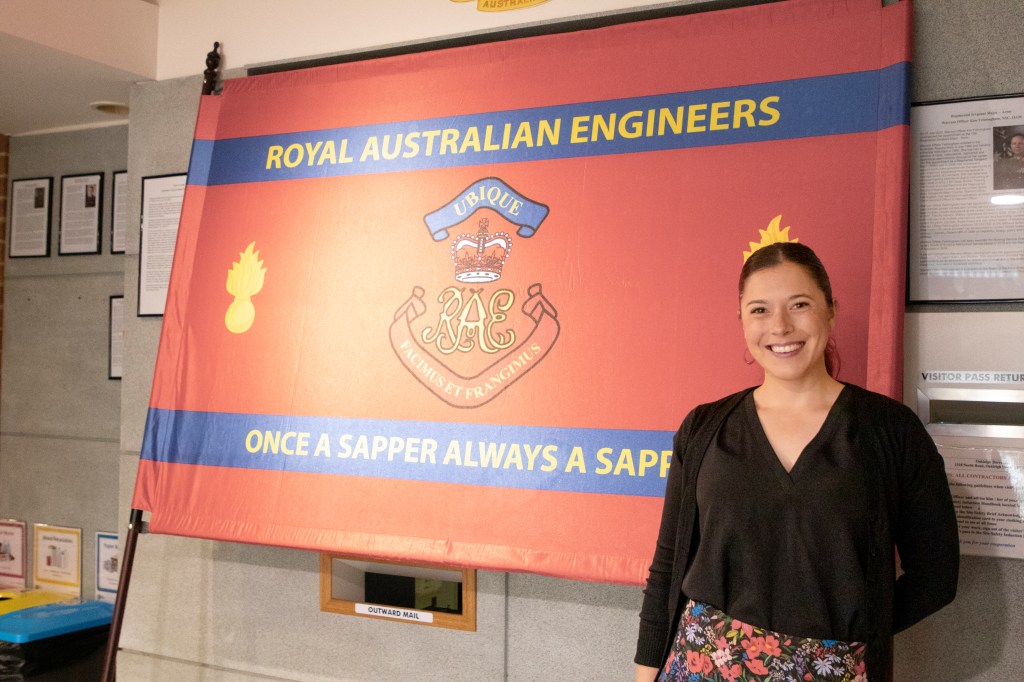
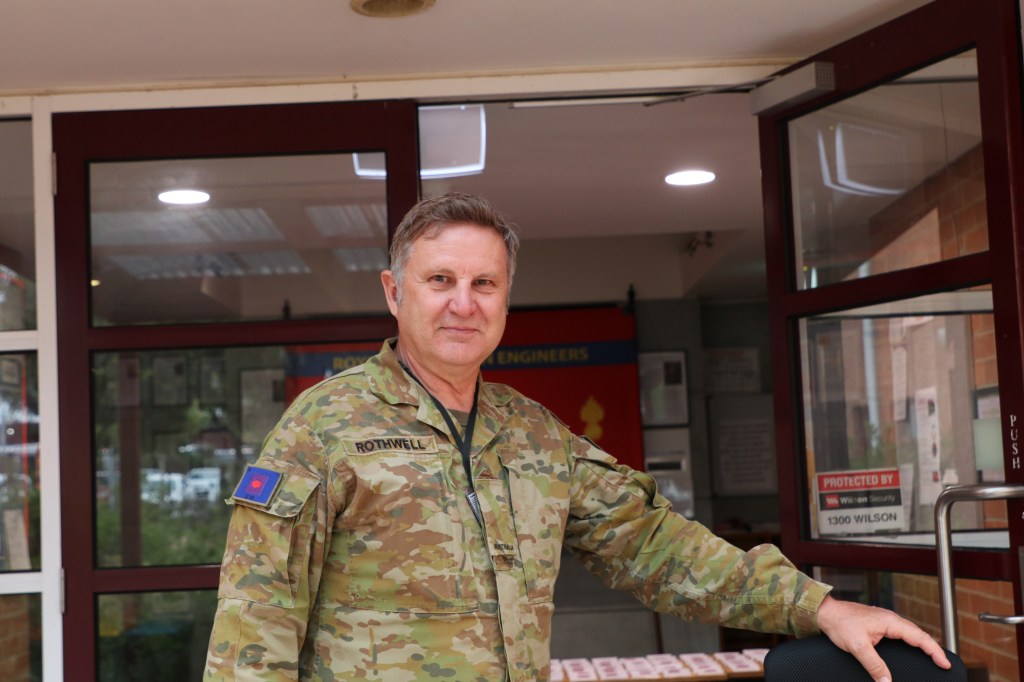
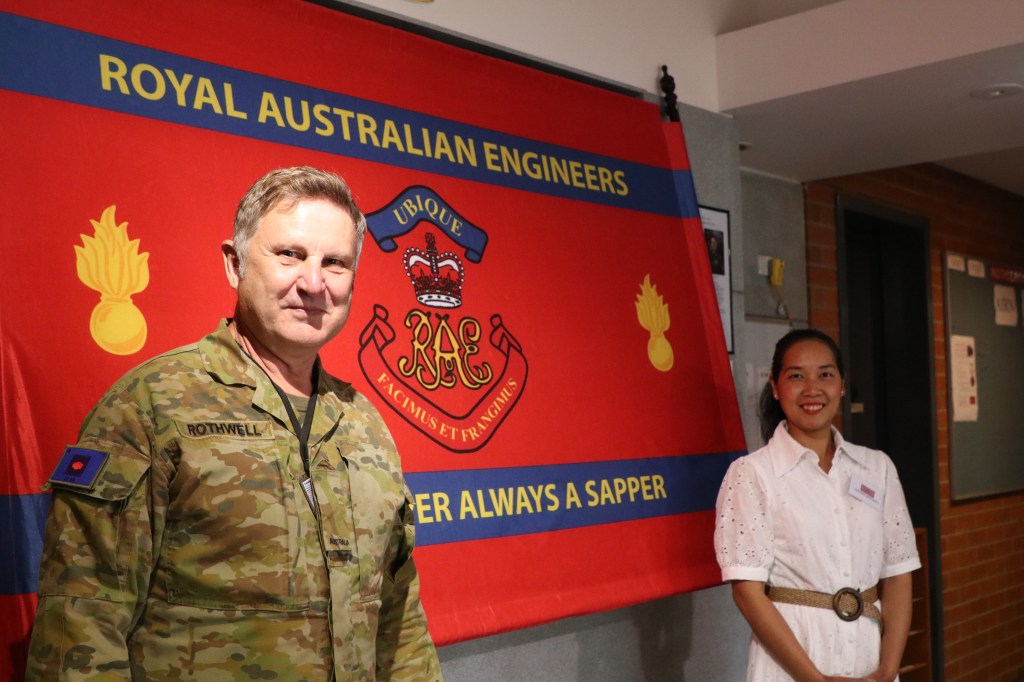

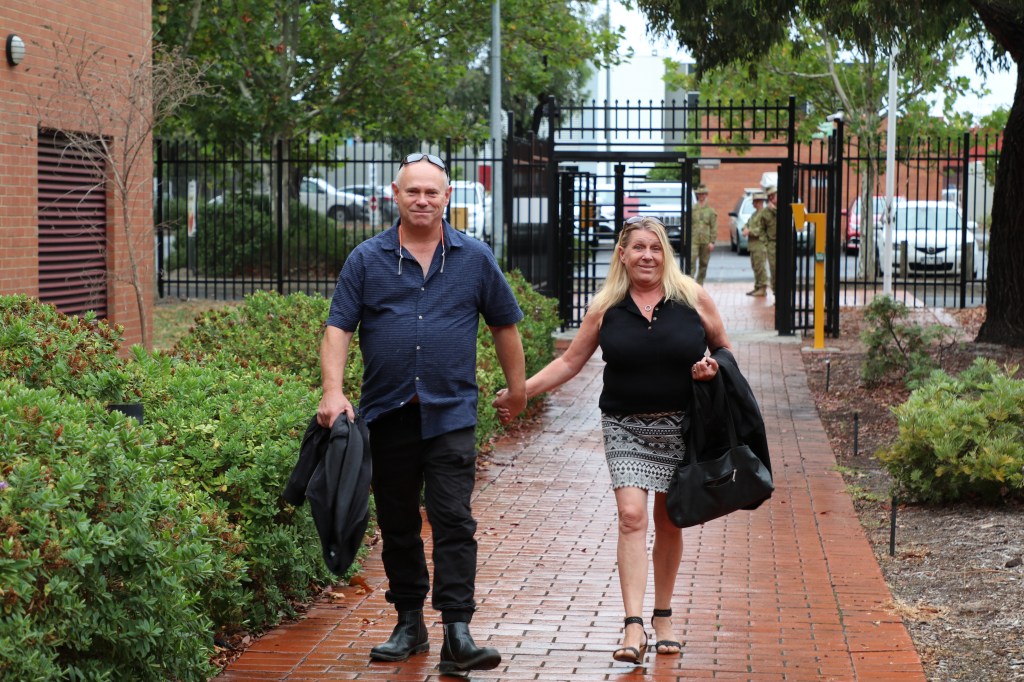
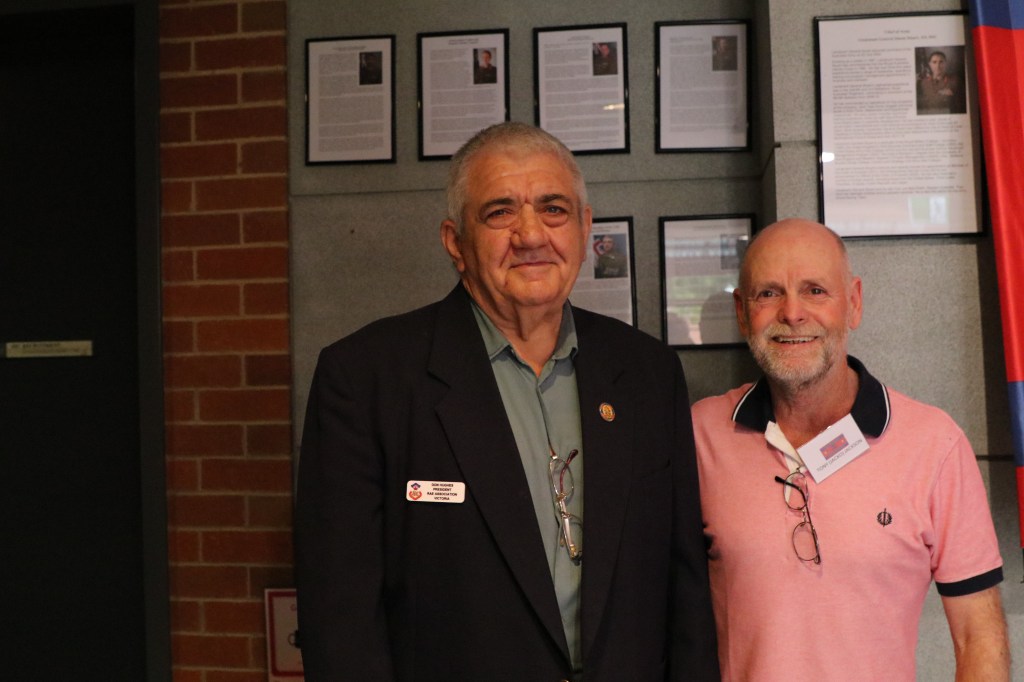

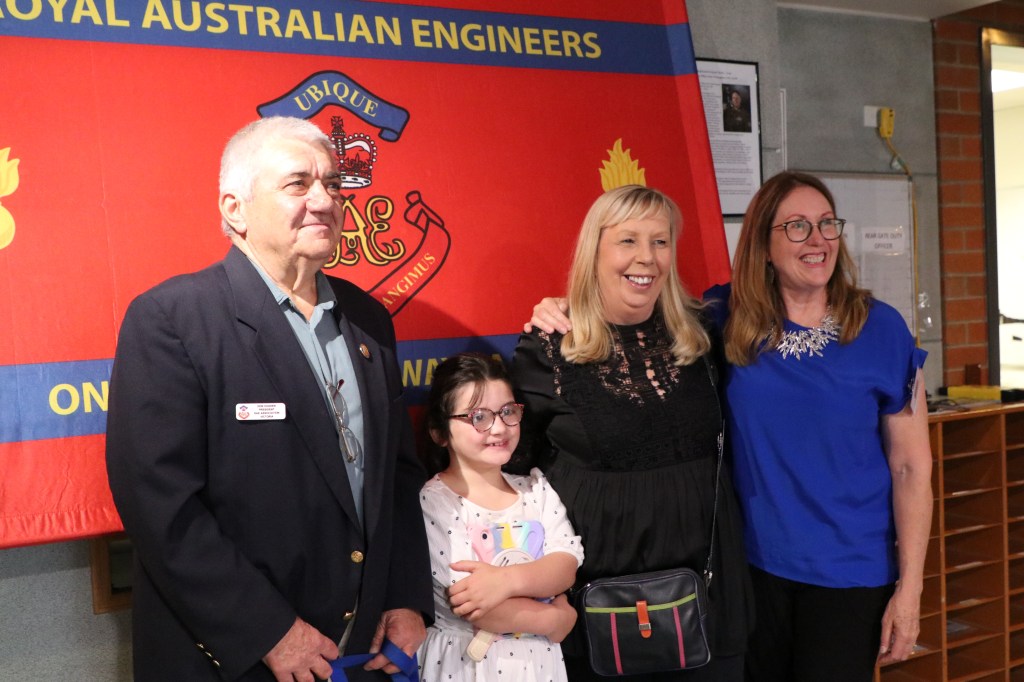
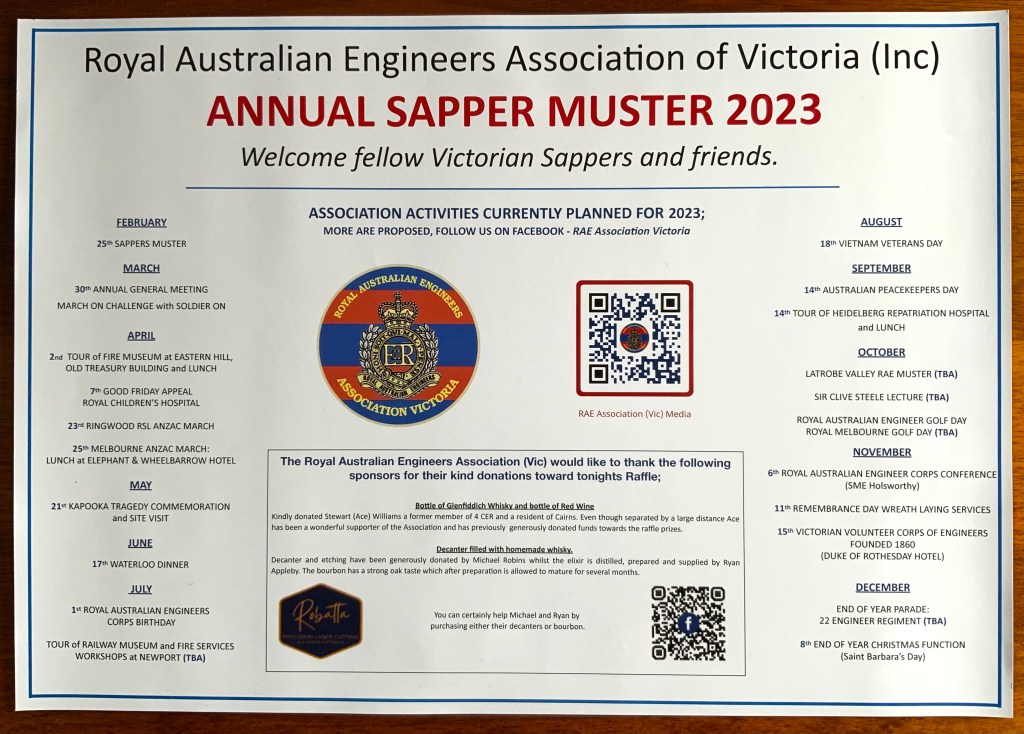
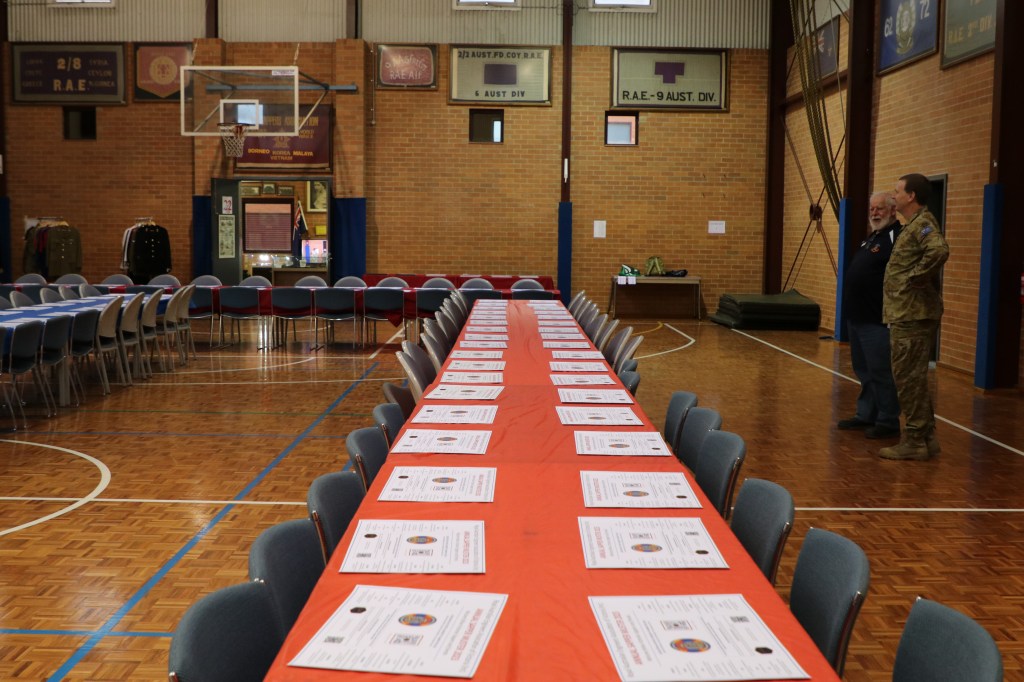
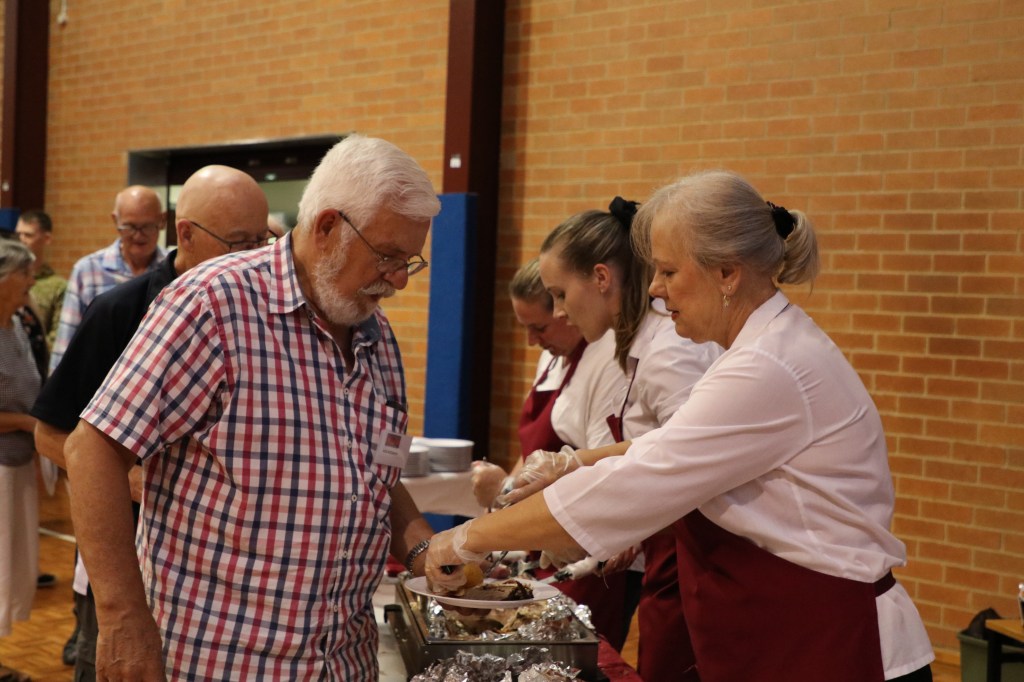
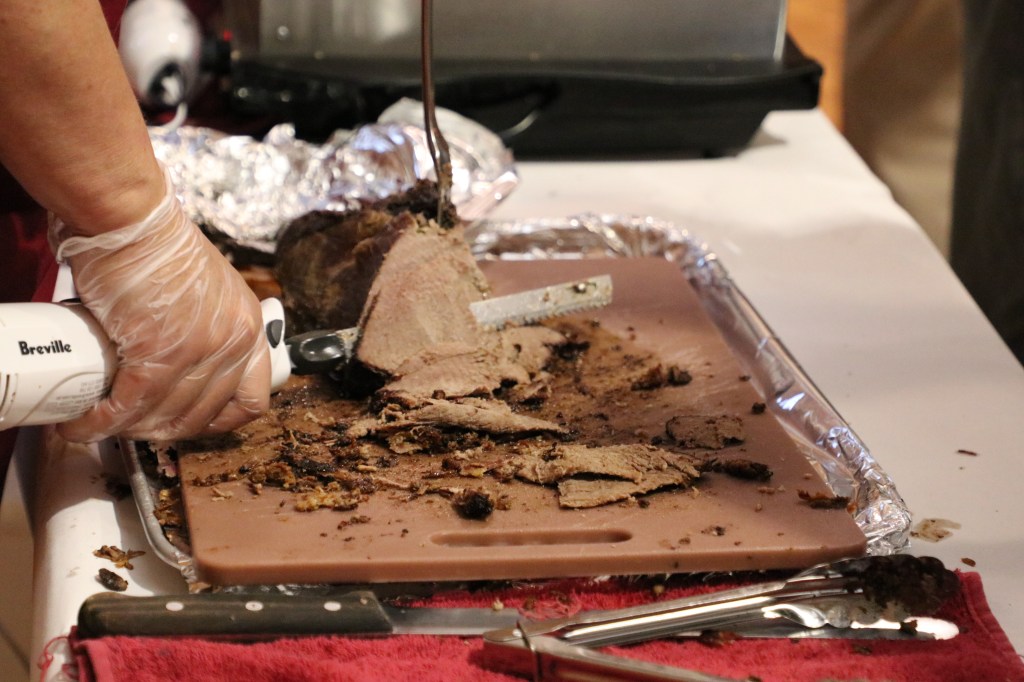

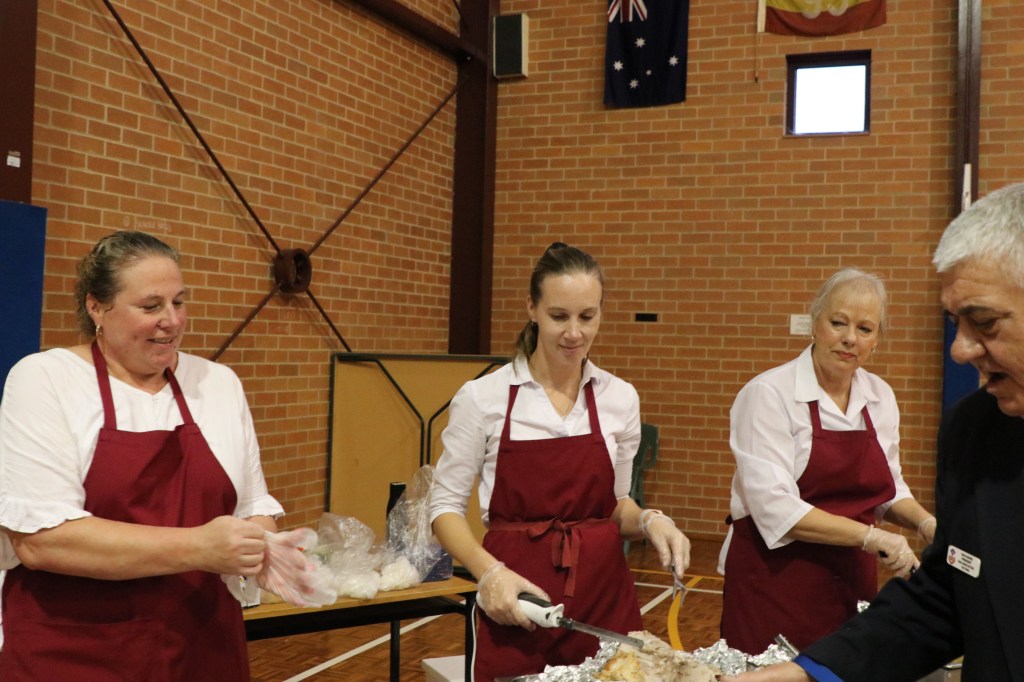
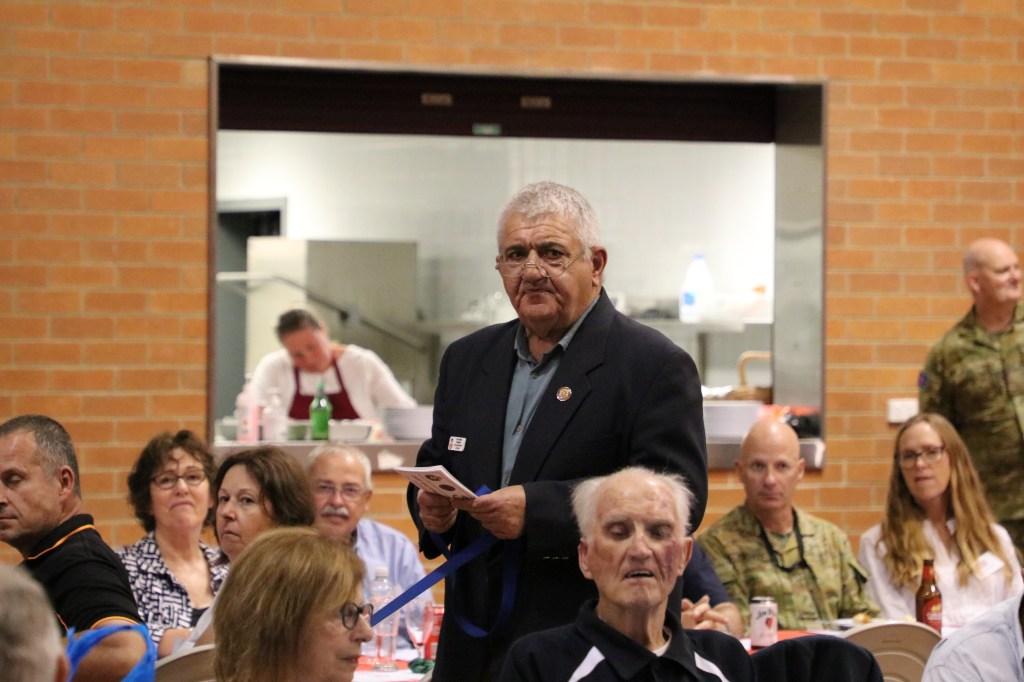
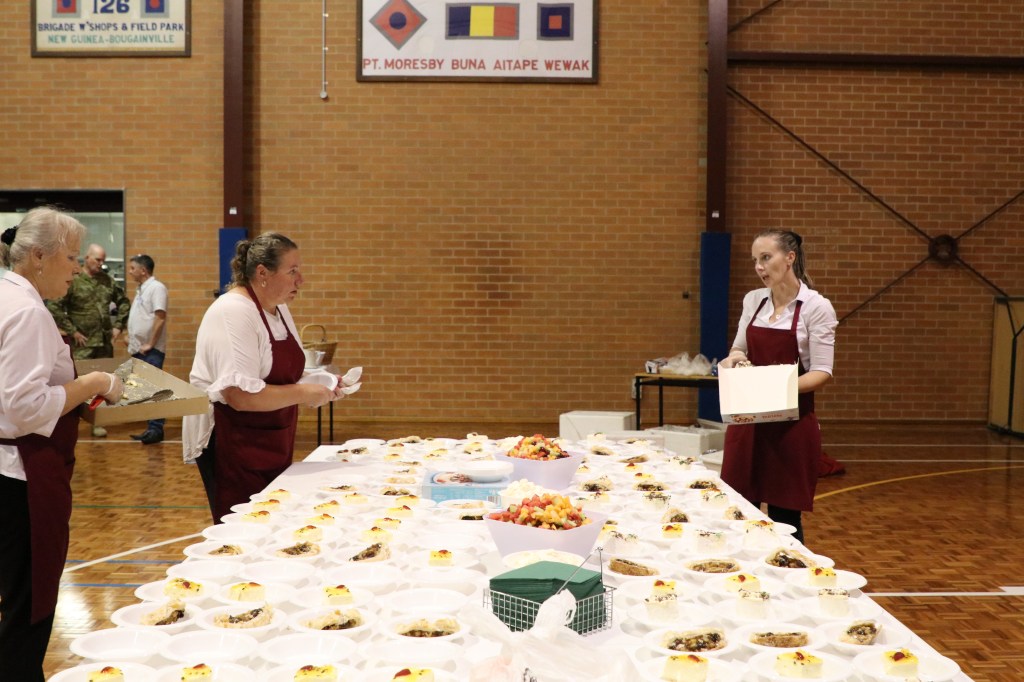
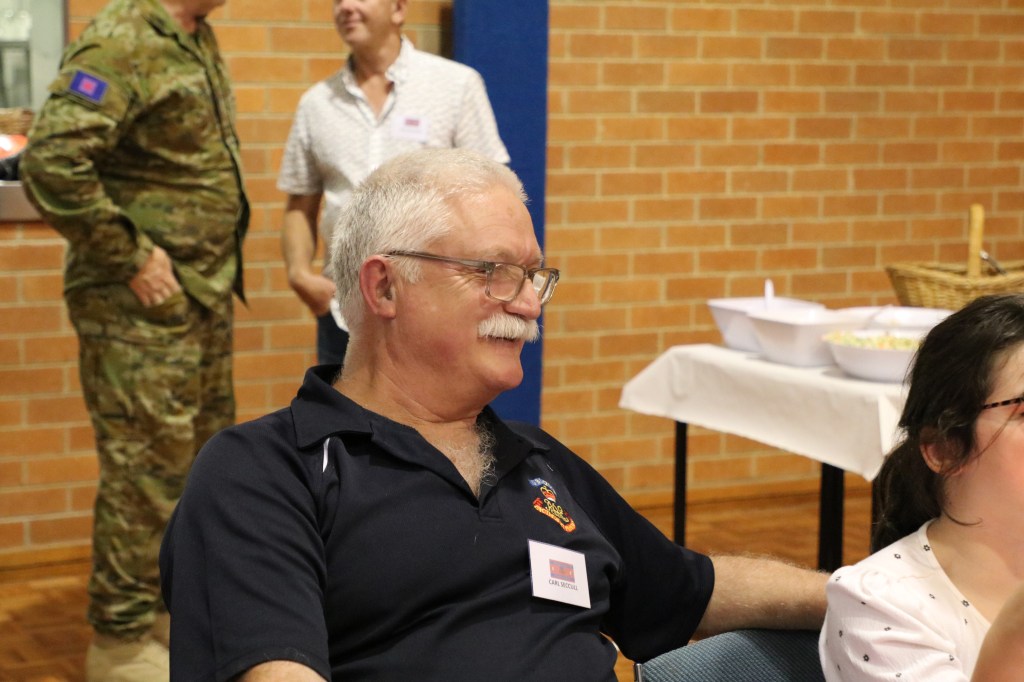
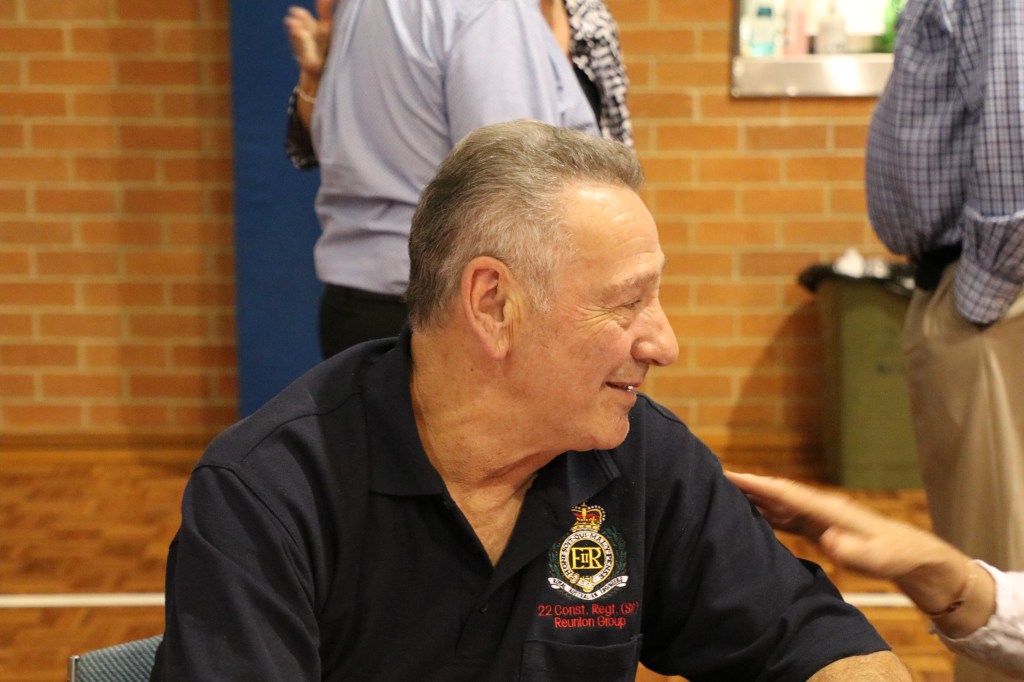
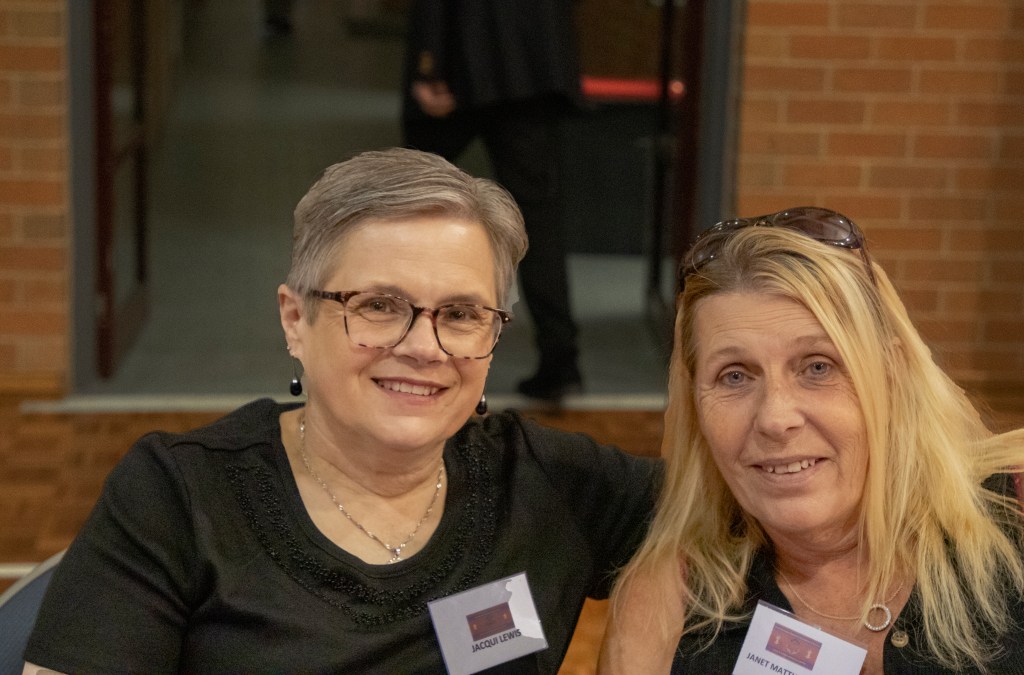
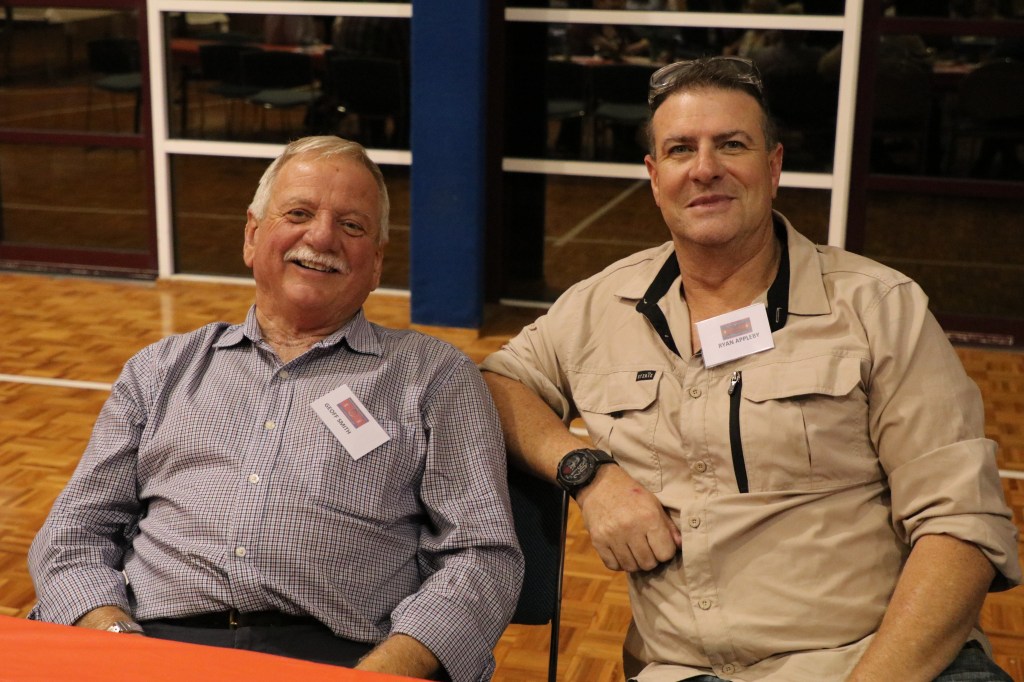
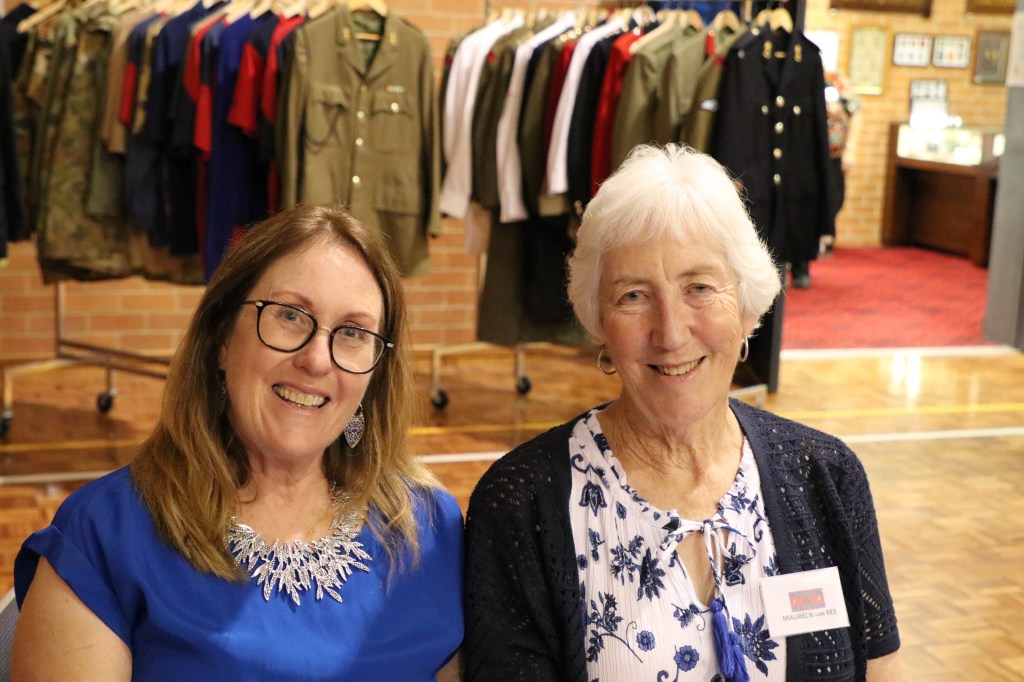
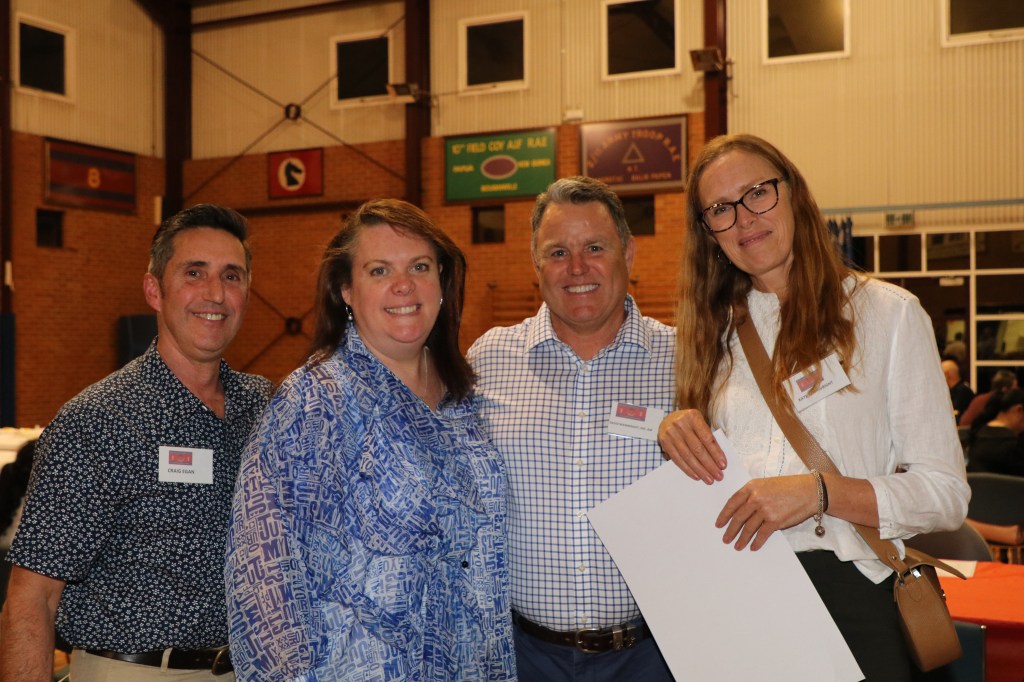
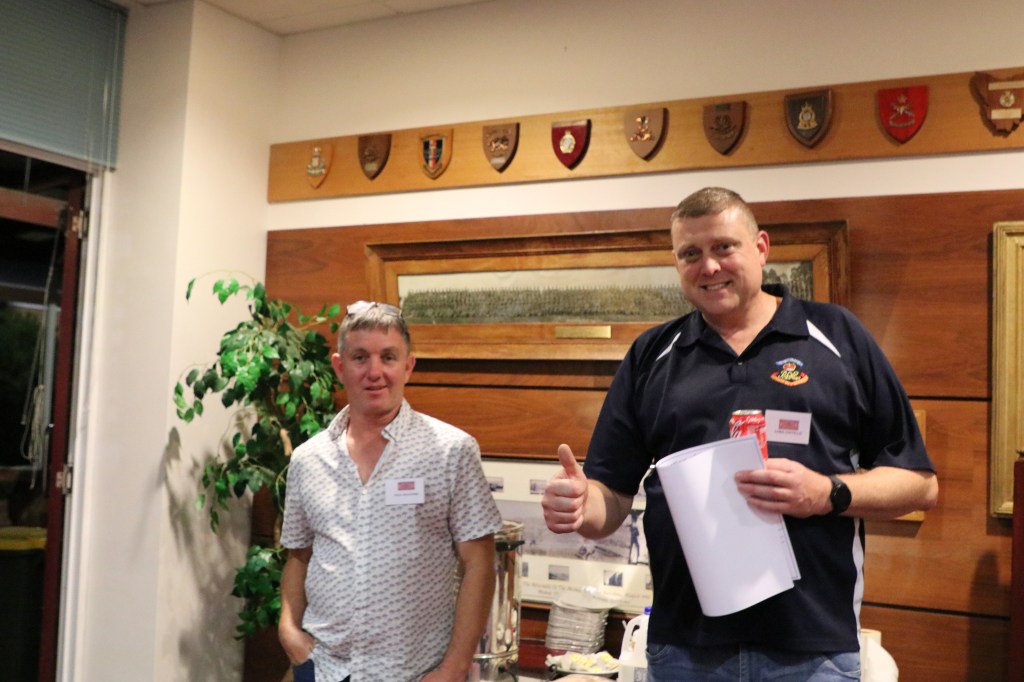
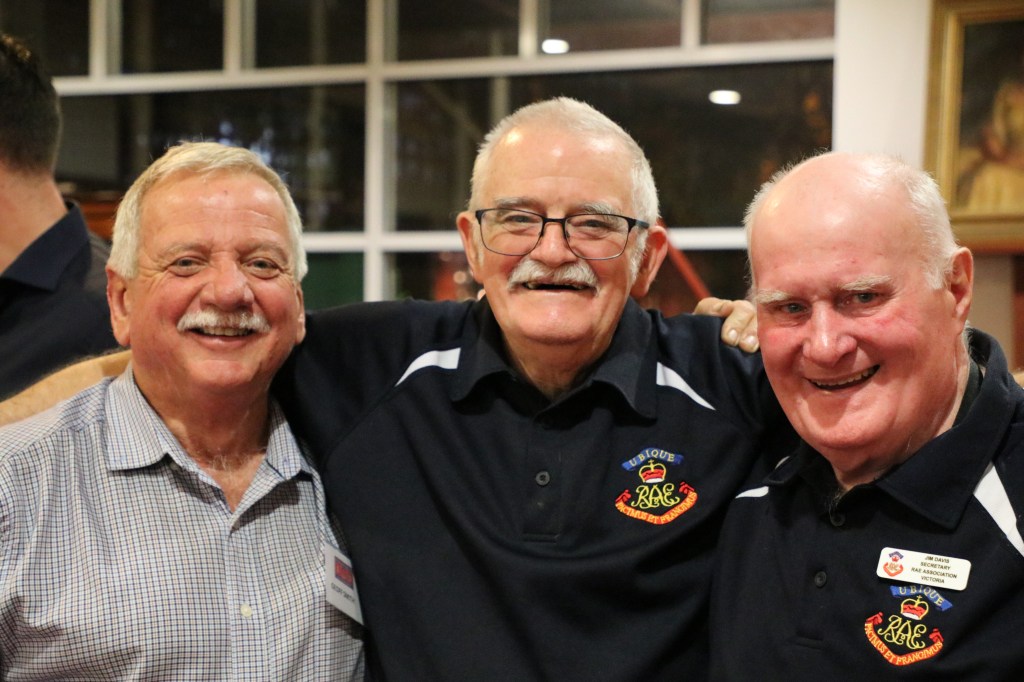
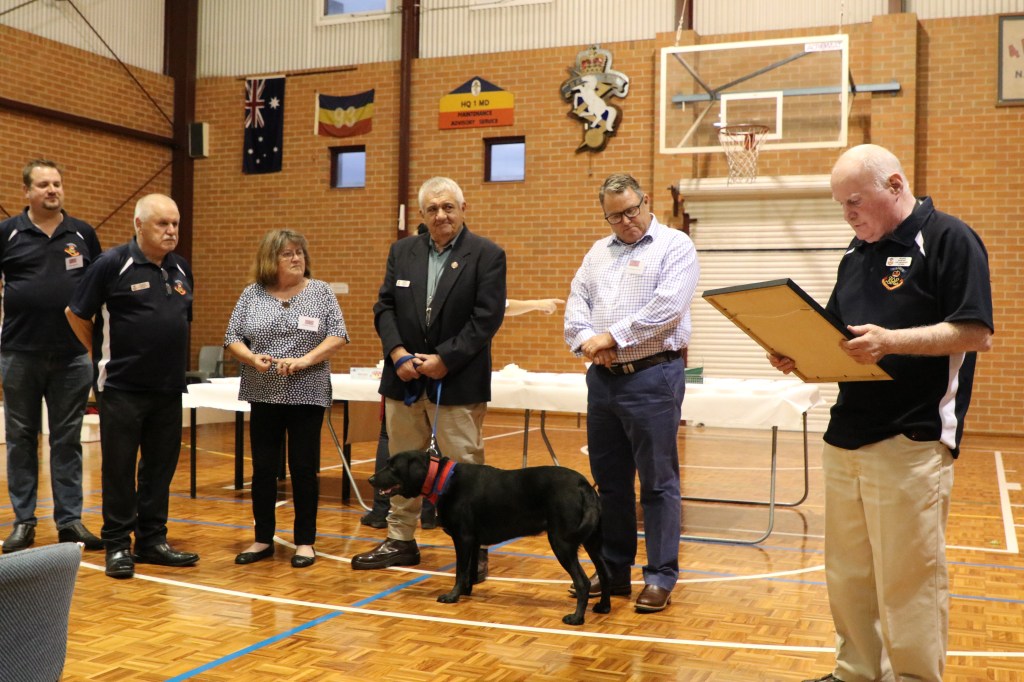
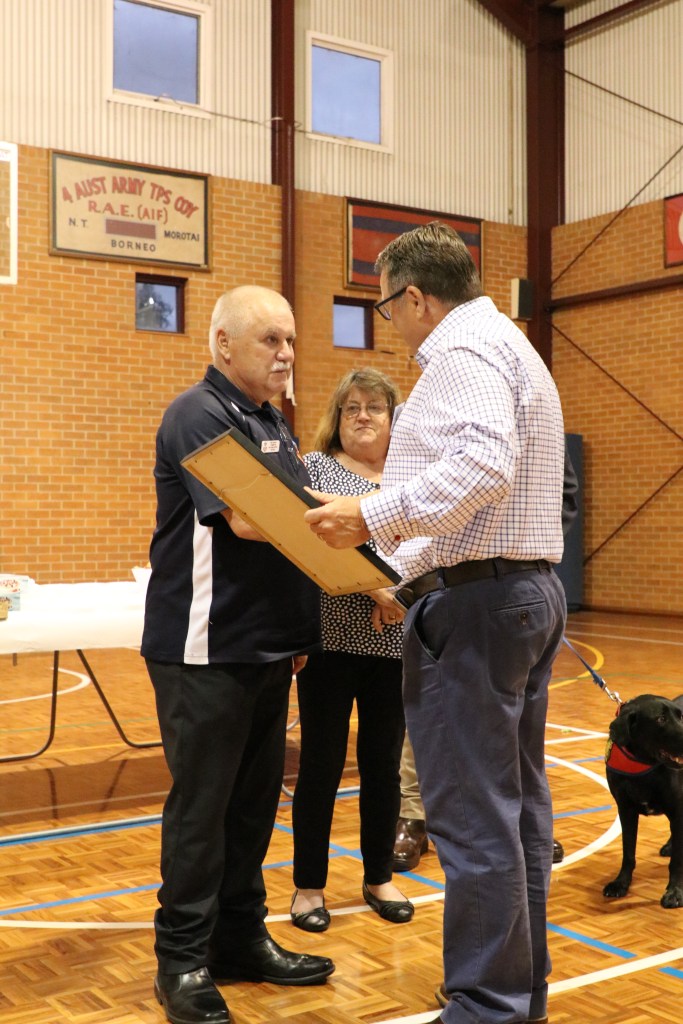
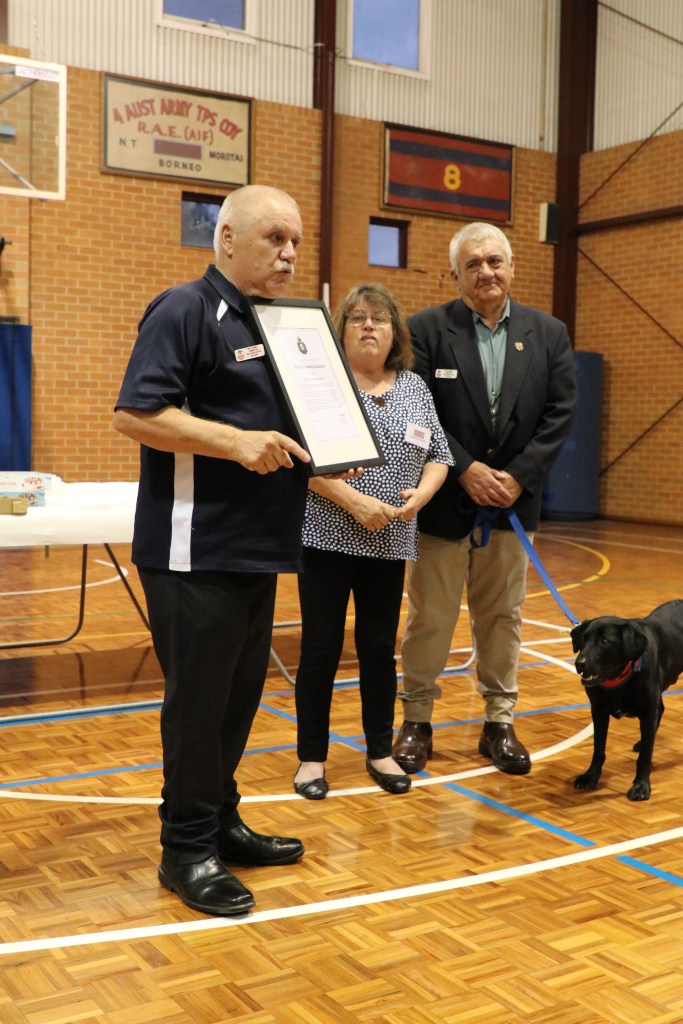
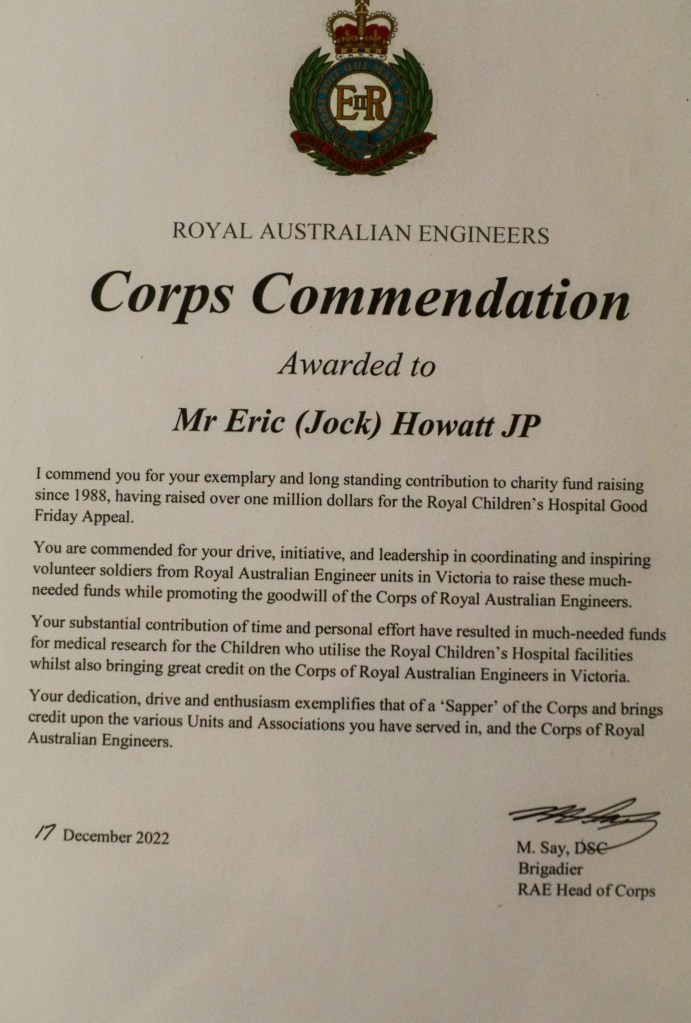
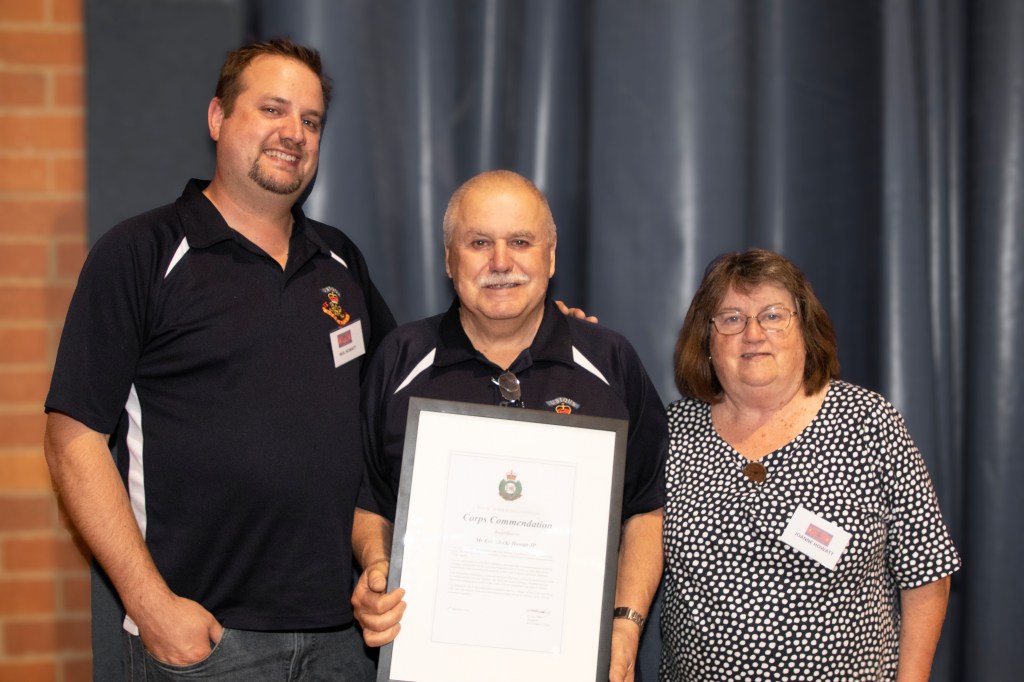
Subscribe to have our posts emailed to you automatically
Mt Useful / Licola camp October 1982
In the winter of 1982, 22 Construction Regiment comprising of 105 Construction Sqn, 106 Construction Sqn and 107 Plant Sqn moved into Glenmaggie for specialised project works in the East Gippsland area, which was still snow covered and polar like when advance elements of 22 Construction Regiment arrived in early October and the wintry weather continued.
The regiment’s CO was the imperial Lt Col Warren Hardy, in the job since mid 1981, with Maj Brian Chirgwin his 2IC.
Works Officer, Maj Oliver Raymond co-ordinated the individual projects within the overall plan
Major Oliver Raymond (Retired)recalls;
“That was quite a job on its own, as the bridges were unable to take the load of the Dozer on its low loader, and so the machine had to be unloaded, walked through the rivers and then reloaded on the float at each bridge. A regular transport unit supplied the low loader, and I gave the WO2 in charge a few grey hairs with what I asked him to do!”
For the first time, 22 Regiment’s three squadrons operated separately and looked after their own stores, messing and fuel. Between 2-17 October, from a camp near Glenmaggie (five kilometres from regimental headquarters).
107 Squadron under Capt Howard Ellis built 12 kilometers of road on Black Range Spur; the Forests Commission supplemented the 107 Plant Sqn planties’ skills by providing a D7 Dozer with a tree pusher.
Colonel Howard Ellis RFD (Retired) recalls;
“When the Country Roads Board visited, I think it was Tom Russell (Chairman) and Noel Allanson (Secretary) looking to the right to see the track snaking into the distance, looking left to see a similar sight and saying, ‘Howard, this is a great piece of work.’ I said, ‘It should be, we have seven CRB’s engineers on the job, plus supervisors and a good handful of your best operators.’
Halfway up the valley, 106 Squadron under Maj Peter McCulloch resheeted roads, erected a steel building at Lions Village, Licola and laid a sewer rising main.
Colonel Howard Ellis RFD (Retired) also recalls;
“106 Const Sqn, under Maj Peter McCulloch, was building a rising main and other MMBW-type works at Licola. I was incredibly impressed with the efforts of the sappers of 106 in preparing the trench, placing the rising main pvc pipe and backfilling. If they put on a spurt to impress the visitors, they certainly succeeded.”
Bearing the brunt of the elements, 105 Squadron under Maj Bob Klos camped in the snow gums to build a four kilometre access track to Mt Useful lookout. Understandably, given the provenance of its engineers, witty observers suggested it approximated the dimensions of an irrigation canal. In fact when very heavy rain fell, it also resembled one. A four-man gang cut firewood throughout.
It was a great camp, particularly after all the hardship, freezing at heights, and a credit to the planners and organisers.”
An incredulous Wayne Kenelly had just transferred from the infantry to 105 Squadron. Wearing his minimal rifleman’s field gear, he met the taciturn L Cpl Frank McCarthy at Swan Street who drove Wayne to Mount Useful; here he soon found himself drawing heaps of extra bedding and operating roadmaking plant in the snow.
Brian Chirgwin recalls the arrival of a regular tipper platoon at Glenmaggie; Brian asked its young lieutenant if the soldiers had enough gear, and learnt that their OC at Puckapunyal had decreed that they should only take and use basic webbing. The subaltern was very reluctant to defy this order.
Brian arranged quietly for extra bedding and 11×11 tents to be loaded on the rear truck. The drivers erected their ‘hutchies’ – light nylon personal shelters – on arrival at Mount Useful and gamely bedded down. Nearby sappers were not surprised however to hear during the night the “thunk, thunk, thunk’ of hammer on tent peg as 11x11s replaced the hutchies.
Before the platoon left Glenmaggie, Brian had warned drivers of the perils of the Licola Road. Six kilometres out, one truck plunged 30 metres over the side and broke in two; fortunately its WRAAC driver was uninjured. The RAEME recovery team did a superb job and soon had both pieces of truck ready for transport back to Pucka. At the works site, inexperience led to three or four tippers rolling on their sides, but the young drivers soon got the hang of the alpine conditions.
Skip forward to May 2018
In May 2018 COL Glenn Fenton took a photo of a rock that he saw at the intersection of Springs Rd, Greenhills Rd and South Rd, Licola, -37.6715,146.5131 near Mt Useful. The rock had 105 Const Sqn and 22 Construction Regiment painted on it that was nearly all weatherbeaten and fading. (Photo 1)
Glenn contacted Jim Davis to ask if the Association would be interested in restoring the monument.
We approached the Department of Environment, Land, Water & Planning (DELWP) for permission to upgrade the monument with a plaque and received approval from the DELWP to carry out these works.
The reply from Jim Noonan, DELWP Planning Manager, Macalister reads;
“Yes, in principle we support the installation of a plaque that recognises the work done to construct these roads within State Forest by the Army. As you could imagine we receive numerous requests from the general public to erect memorials for all sorts of reasons; however as this request directly relates to the history of the Crown’s road construction and that a memorial, of sorts, already exists we think that such a memorial (or upgrade) is appropriate.”
As a result of this a History and Heritage trail was instigated where it was decided that a programme to mark points of interest of the Royal Australian Engineers history in Victoria would be created.
This involves nominated sites having a stainless steel plaque with a brief description and Quick Reference (QR) code engraved on it. the QR code would contain further details and photos if available.
In November 2018 the first plaque on the new History and Heritage trail was installed on the rock for all to recognise the works carried out in this area by the Victorian Royal Australian Engineers. (Photos 2 and 3)
Sources;
Swan Street Sappers
22 Construction Regiment Unit History 1950-2000
Mel Constable RAEAV


Subscribe to have our posts emailed to you automatically
‘Baines Bridge’ over the Goulburn River near Kevington 1966
The RAE 3 Division Annual camp in 1966 was conducted in the Jamieson, Kevington and Ten Miles area.
8 Fld Squadron under the command of CAPT Bill Oakley was to construct a fire access bridge across the Goulburn River near Kevington. This timber structure was designed by CAPT Oakley and constructed by his Squadron.
The bridge was similar to one that was constructed by 2/8 Field Company RAE in New Guinea during the Second World War. The completed bridge was dedicated to this early Sapper unit and its members. The members of the 2/8 Field Company Association attended the opening ceremony and afterwards enjoyed the hospitality of the Officers Mess.
Apart from the 4 main spars, all timber was won locally by a small gathering party under CAPT Williams. Most of the timber was found to have a rotten heart and had to be rejected. The 2 feet 6 inch diameter sill logs posed the greatest acquisition problem. The first and the best of the two was obtained in Knockwood, and the other, adjacent to the road 2 miles north.
The winning process posed many problems, particularly in the case of the second tree, when from the minute it was felled, cars appeared from both directions on this previously quiet “no traffic” road. Also, during the fall, telephone lines were carried to the ground, luckily without breakage, limbs carefully cut away and the wires restored to their normal position without interrupting the service
The bridge spanned 40M and stood 6M above the river bed. It represented a fine example of a corduroy bridge. The term corduroy reflects the cross bed of timber saplings running from side to side like the grain of corduroy fabric. The bridge provided an all weather access for vehicles up to 10 tonnes, using Sappers Track to access other tracks from Jamieson. But for a fire which “accidentally” destroyed it in the late 1980’s, the bridge would still be here today. (Photos 1 and 2)
Whilst 2 Field Squadron carried out basic training, 10 and 16 Field Squadrons together with the assistance of 29/15 Plant Squadron (Light), constructed the fire access road to Jamieson.
(Photo 3) shows the location of the bridge as it is today, you can still see the leaning tree in both 2 and 3 photos.
On the Mansfield-Woods Point Rd. (Photo 4 and 5). Grid ref; -37.3649167, 146.184200.
This will become part of the History and Heritage trail. (Photo 6)
The 2/8 Field Company Banner mounted for safekeeping (Photo 7) in the RAEAV Collection.
Source; ‘The History of Royal Australian Engineers 3rd Division CMF’
RAEAV


Subscribe to have our posts emailed to you automatically
Australian Engineer Concerts in Brightlingsea UK 1916-1919
On the 28th of April 1918 a concert was held at the Empire Theatre for the men based at the Australian Engineer Training Depot (AETD) was established in Brightlingsea between 1916 and 1919. Over 5,000 Anzacs were stationed in the town and surrounding areas, leaving behind a significant social and supporting legacy which has not been forgotten.
The establishment of the Australian Engineer Training Depot (AETD) in Brightlingsea, grew out of the need to find additional locations for ANZAC training camps as the camps already established around Bulford, Boscombe and Salisbury Plain soon became full to overflowing.
This coastal Town was chosen as a training base for thousands of Australian and New Zealand troops. They were trained in bridge, pontoon and road building, trench and tunnel digging and front line military tactics in the soft mud and tidal creeks that made the area such a perfect training ground for the conditions they were likely to encounter on the Western Front.
A small British military training depot was set up in the town at the start of the war but it wasn’t until the Australian Engineers Training Depot was established in 1916 that things really began to change. The men were camped under canvas in the fields but as it was so cold the locals took them in and boarded them. As everyone was living in these close quarters it was inevitable that another generation was to be born and a lot of men stayed after the war and married. Their descendants still return on a pilgrimage to remember their ancestors.
“The Australians stayed the longest and had the biggest impact. They came here because in this part of Essex, the terrain was considered compatible with some parts of the frontline. They were not frontline soldiers but behind-the-lines men, although they often ended up in the line of fire.”
Some Australians were battle-hardened troops, often from Gallipoli, acting as instructors and some were brand new recruits but all were volunteers. At the end of the course, the men were deployed on active service overseas and more Anzacs arrived to be trained.
Regular concerts were held at the Empire Theatre (photos 2 and 3) for the men based at the Australian Engineer Training Depot (AETD). One of the performers at the concert was Miss Alice Wyatt, who, for a time was part of a duo with Myra Hammon called the “Shadow Girls” and together with 10 other ladies and 2 gentlemen regularly entertained the Australian Engineers in the Empire Theatre in Brightlinsea.
We have in our collection an Autographed Souvenir of an All Australian Concert held on 28th April 1918 showing a portrait of Miss Alice Wyatt to whom it was presented and signed by “The Diggers” (Photo 1)
This item was loaned permanently to the RAEAV by Gary Edwards and proudly hangs on the wall in our Engineers Room at the Oakleigh Barracks.
At the end of the war the AETD remained in Brightlingsea for a number of months. On January 13 1919 a silver bowl was presented to Captain Geoffrey Charles Payne, Commanding Officer of the AETD on behalf of the townspeople in remembrance of the time the ANZACS had spent in the town.(photos 4 and 5)
In April 2016 Ann Berry from the Friends of Brightlingsea Museum contacted the Australian War Memorial regarding the whereabouts of the bowl and wondered if by chance it had come into the National Collection. Ensuing research discovered that the bowl had been donated to the Australian War Records Section (the precursor to the Australian War Memorial) soon after the First World War. This news was met with tremendous excitement from Brightlingsea as the whereabouts of the bowl had been a mystery for many years.
Sources;
Cinque Port Liberty, Brightlingsea
Australian War Memorial
Mel Constable RAEAV


Subscribe to have our posts emailed to you automatically
91 Forestry Squadron “Woodpeckers”
91 Forestry Squadron, when it was formed in 1952, was the only Forestry Squadron in the Australian Army. The Forests Commission of Victoria sponsored 91 Forestry Squadron (SR), which was then a supplementary reserve unit of the Royal Australian Engineers (RAE) in Victoria and was initially established and commanded by Major Ben Benallack a wartime forester who served with the 2/2 Forestry Company during WWII.
The “Woodpeckers” as they were known, comprised of a small pool of specialised soldiers capable of rapid mobilisation in the event of a need.
Several other Victorian departments such as the State Electricity Commission (SEC) and the Country Roads Board (CRB) did the same thing by supporting a construction squadron based at Newborough in the Latrobe Valley. This created a very active and capable part- time military group that completed many worthy projects across the State.
The 91 Forestry Squadron established and operated portable bush sawmills, built numerous timber bridges, logging roads and various demolition tasks. Many Forest Commission employees and others from the forestry sector served long periods in this proud unit under their “Woody” badge.
After the Forest Commission was privatised the (SR) was dropped and 91 Forestry Squadron continued until 1992 when it became part of 91 Resources Squadron and in 1994 it became 91 Forestry Troop in the new 55 Resources Squadron, then in 1999 amalgamated with 105 Construction Squadron and but was then disbanded.
91 Forestry Squadron (Woodpeckers) at Powelltown in 1977
On the ANZAC weekend in 1977, 91 Forestry Squadron held an exercise at Fred and Ad Kobiolke’s saw mill at Gildroy near Powelltown. (photos attached)
A relationship was born then between the Kobiolke brothers and 91 Forestry Squadron, with Les Lasham, who was also one of the Upper Yarra Forest Districts most experienced overseers and District senior forester Geoff Evans who were trying to find evidence of the timber tramlines that ran through the Powelltown area which were slowly deteriorating.
After meeting with the Kobiolke brothers, a story emerged about an abandoned tram, comprising ten sets of ‘bogies’, that had been left on a branch tramline near the High Lead on Doweys Spur Rd, following the 1939 bushfires.
Photographs were taken, and then two ‘bogies’ were carefully disassembled, and subsequently re-crafted at the District workshop by carpenter Fred Newcombe – the bogies being chosen to display two variations of the rudimentary braking-systems in use on the tramways at the time.
Meanwhile, the 91st Forestry Squadron had cut the timber to be used in the display.
The existing wayside stop opposite the FCV Powelltown office, on the Noojee Road, was used and, to this day, a rebuilt loaded ‘carriage’ can be viewed there.(last photo attached)
Sources;
Swan Street Sappers compiled by Rob Youl, ex OC of 91 Forestry Sqn,
Victoria’s Forestry Heritage – Victoria’s Timber Tramlines – A Postscript – A ‘Walk into History’ by Geoff Evans and Mike Leonard,
2/2 Forestry Company RAE by Peter McHugh and
A Word from the Woodpeckers by Maj L.P. Malseed, also an ex OC 91 Forestry Sqn.
Photos have been kindly donated to the RAEAV collection for safekeeping by the Woodpeckers Association.
Mel Constable, RAEAV
Photo Collection PV 502


Subscribe to have our posts emailed to you automatically
Tour of the Thales Australia Plant in Bendigo Victoria, November 2019
Home of the Bushmaster Operations Vehicle
13th November 2019 from 1000 hrs – 1200 hrs
Program:
The visit will consist of a presentation about the Protected Vehicles, along with a morning tea, followed by a facility tour.
The tour is normally about an hour of walking around.
Bushmaster is combat proven and has been successfully deployed by three armies on operations in a number of regions including the Middle East, Africa and the Pacific. On-going design enhancement, a wide range of user selectable mission equipment and mature through life support have ensured that Bushmaster continues to meet evolving customer requirements.
The tour is open for Association members only (except for medical reasons), by request, rather than extending to family members, as their available staff to host is limited, due to their manufacturing commitments.
Please note that high heels or open toe or sling back heels are not allowed in the production area. Close toe, flat shoes only.
Transport and meals (apart from morning tea) are to be arranged by yourself.
Please contact Mel Constable by email only on mel@melcon.com.au before the Friday 1st November 2019 to reserve a place.

Sydney – Canberra Tour, June 2019
Your Association in action – NSW and Canberra excursion


Subscribe to have our posts emailed to you automatically
 Royal Australian Engineers Association of Victoria Inc.